Kathmandu, 7 May: Hantavirus is an extremely deadly zoonotic virus that could become a global public health challenge at any time. Mainly transmitted from rodent species to humans, the virus can severely affect the lungs and heart once infection occurs. Recently, after a sudden outbreak was reported on a cruise ship operating in the Atlantic Ocean, the virus has once again become a topic of global concern and discussion among health experts and the public.
What is Hantavirus?
Hantavirus is a group of viruses belonging to the Bunyaviridae family. It was named after the Hantan River in South Korea, where it was first identified in 1978.
So far, scientists have discovered more than 20 species of hantaviruses in different parts of the world, each affecting human health in different ways. Based on their effects and geographical distribution, hantaviruses are mainly classified into two categories.
The New World hantaviruses, found mainly in the Americas, cause Hantavirus Pulmonary Syndrome (HPS) or Hantavirus Cardiopulmonary Syndrome (HCPS). These illnesses severely damage the respiratory system and heart function.
Similarly, the Old World hantaviruses, more active in Europe, Asia, and Africa, cause Hemorrhagic Fever with Renal Syndrome (HFRS). This type of infection directly and dangerously affects the kidneys.
Recent Outbreak: Hantavirus Panic on a Cruise Ship
The main reason hantavirus has returned to international headlines in recent days is the sudden outbreak aboard the cruise ship “MV Hondius” operating in the Atlantic Ocean. The ship, operated by the Netherlands-based Oceanwide Expeditions company, departed from Argentina on April 1. The health crisis on the vessel, which was touring remote islands such as Antarctica, South Georgia, and Tristan da Cunha, has drawn worldwide attention.
According to the latest report from the World Health Organization (WHO), seven out of the 147 passengers and crew members onboard have either been confirmed or suspected of having hantavirus infection. Among them, three people have died, while one remains in critical condition receiving treatment. The other three are experiencing mild symptoms.
Those who died include one German citizen and a Dutch couple. According to reports, the husband of the Dutch couple died aboard the ship on April 11, while his wife died on April 26 during treatment at a hospital in South Africa. This tragic incident has sparked renewed debate over the risks of viral outbreaks in enclosed environments such as cruise ships.
Source of Infection and Transmission Process
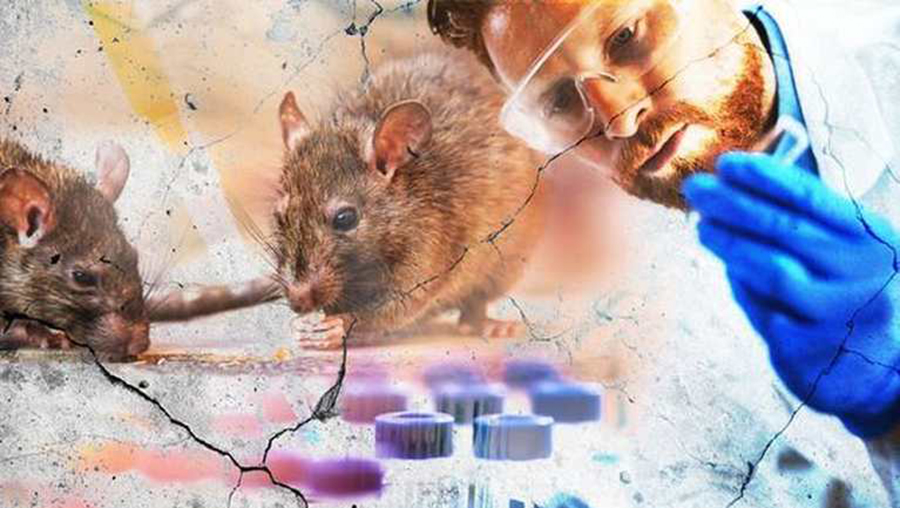
The primary source of hantavirus infection is rodents. The virus is mainly transmitted to humans through the urine, droppings, or saliva of infected rodents. When people breathe in air contaminated with particles from rodent waste, microscopic virus particles enter the respiratory system directly. This is the most common and major mode of transmission.
Additionally, the virus can enter the body through rodent bites, consumption of contaminated food, or by touching contaminated surfaces and then touching the eyes, nose, or mouth with the same hands.
Generally, hantavirus does not spread from one person to another. However, limited cases of person-to-person transmission have been recorded with the Andes strain of hantavirus found in South America. According to WHO, such transmission appears possible only during very close and prolonged physical contact.
In the current outbreak aboard the MV Hondius cruise ship, authorities suspect there may also have been human-to-human transmission. WHO’s Director for Epidemic Preparedness and Prevention, Dr. Maria Van Kerkhove, stated that some infected individuals had very close contact, so the possibility of person-to-person transmission cannot be completely ruled out. However, she emphasized that the virus does not spread through the air as easily as flu or COVID-19 and that the current risk to the general public remains low.
Treatment and Prevention
So far, no specific medicine or vaccine has been developed against hantavirus infection. Therefore, supportive hospital care remains the only available treatment option for infected patients. In severe cases, patients are kept in intensive care units (ICUs), where oxygen therapy and ventilators are used to support breathing.
Since the virus spreads through rodents, the best way to prevent infection is to avoid contact with rodents. Proper measures should be taken to prevent rodents from entering homes, workplaces, or storage areas.
Special caution is necessary while cleaning areas that may contain rodent droppings. Instead of sweeping, which can spread contaminated dust into the air, the area should first be moistened with disinfectant or bleach solution before cleaning. Wearing masks and gloves during cleaning can help prevent virus particles from entering the body.
In addition, food should always be stored in secure containers out of reach of rodents. People living or working near forests or outdoor environments should pay extra attention to cleanliness and hygiene around them.
In unusual situations, it is wise to follow the instructions of health authorities carefully while maintaining personal hygiene and social distancing. Since there is currently no cure for hantavirus, awareness and precaution remain the strongest weapons against this deadly infection.