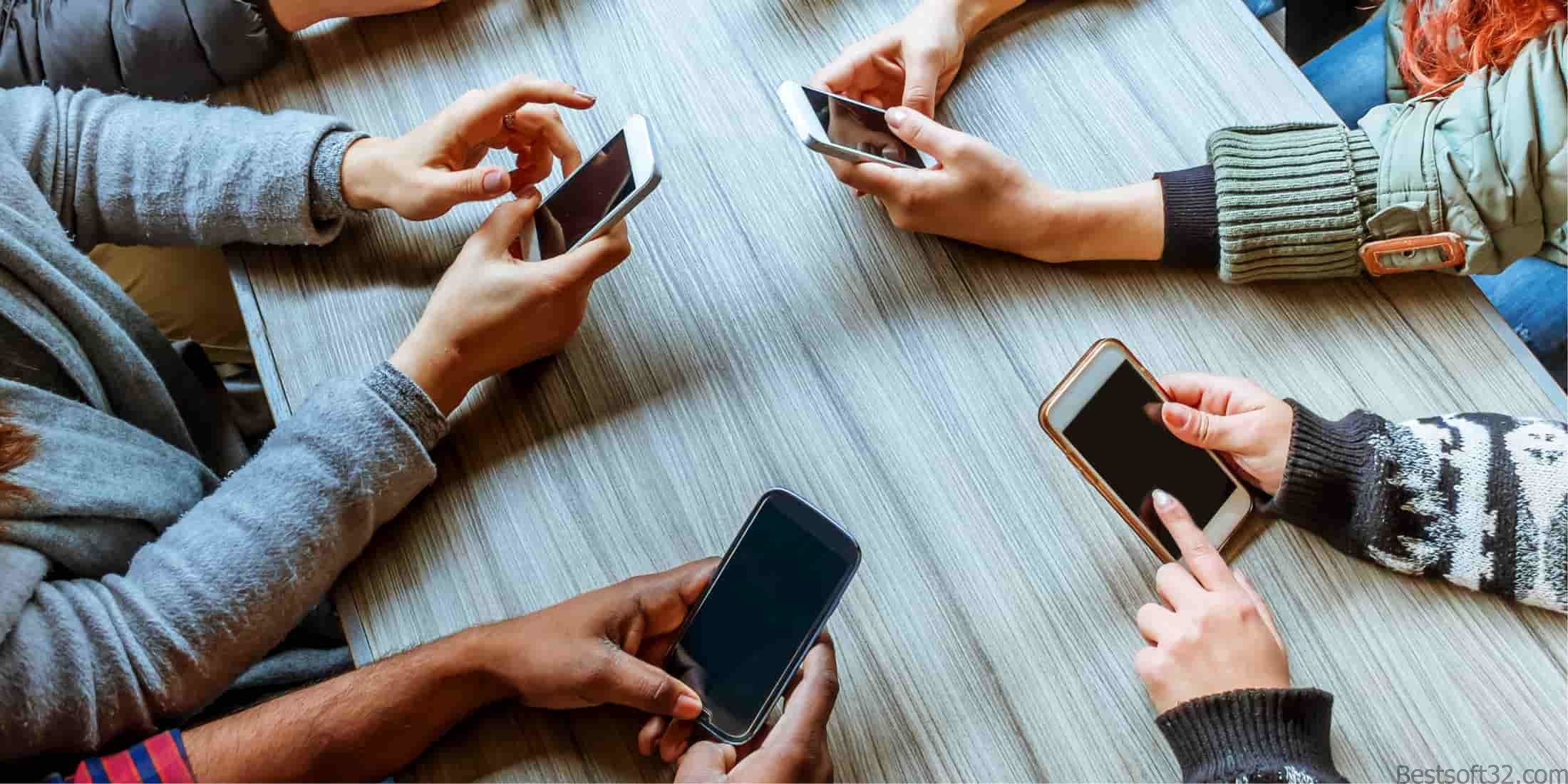
Kathmandu, 17 Jul: More than 40 percent of Nepalis use SIM cards registered under someone else’s name, according to a recent survey. The finding is part of a report published by the World Bank on digital economy participation and financial inclusion.
The survey, conducted by the World Bank from July 26 to September 28, 2024, included responses from 1,000 individuals in Nepal. Among them, around 400 reported using SIM cards not registered in their own names.
The World Bank carried out similar surveys in 141 countries, surveying 1,000 people in each, except for India where a different sample size was used.
A recent World Bank report on digital economy engagement and financial inclusion reveals that over 40 percent of Nepalis use SIM cards registered under someone else’s name. The findings are based on a survey conducted between July 26 and September 28, 2024, involving 1,000 individuals in Nepal.
The report also highlights that in African nations such as Comoros, the Republic of Congo, Morocco, and Tanzania, as well as in Jordan and Nepal, more than 40 percent of mobile phone users do not have SIM cards registered in their own names. In contrast, the average for low- and middle-income economies is 23 percent.
Possible reasons for this include people not changing the SIM card when receiving phones from relatives or friends, or community members purchasing SIM cards in bulk during visits to urban areas and distributing them among others.
In India, the survey was conducted with a larger sample size of 3,000 individuals. The report further notes that in several African countries, many adults are unable to purchase SIM cards due to the lack of identity documents.
In South Asia, women are less likely than men to use SIM cards registered under someone else’s name—partly because fewer women own mobile phones. An estimated 320 million women in South Asia still do not have mobile phones.
Digital Transactions and Financial Access in Nepal
In Nepal, only 280 out of 1,000 respondents reported making digital transactions. While 60 percent had a bank account, only 28 percent had used digital payments, 21 percent saved money digitally, and 16 percent used formal lending systems.
Out of the 1,000 surveyed, 780 owned mobile phones, and 50 percent reported using the internet in the past three months.
Globally, bank account ownership has increased, contributing to a narrowing gender gap in financial access. In Nepal, among 600 individuals with bank accounts, 47 percent (282 people) reported making digital transactions. However, gender disparity persists—58 percent of men in Nepal use digital payments compared to just 36 percent of women.
From 2017 to 2024, the percentage of adults making digital payments rose by 20 points in India, Nepal, and Sri Lanka. Across South Asia, the number of people receiving government benefits via digital transfers has also grown.
Key Financial Concerns and Global Challenges
Worldwide, the most common financial concerns remain monthly household expenses, healthcare costs, and school fees—issues shared across different countries and communities, including Nepal.
Despite advances, millions of people globally still lack access to mobile phones or bank accounts and struggle to cover unexpected health expenses or plan financially for the future. The World Bank identifies this gap as a major challenge.
“Around 30 percent of adults worldwide without mobile phones or bank accounts will require new strategies to be integrated into the financial system,” the report concludes.