Tehran: Iran said Wednesday that the Strait of Hormuz remains blocked, rejecting repeated statements from US officials that the strategically vital waterway has reopened. Iranian authorities said the strait would remain closed until Tehran’s conditions for reopening it are accepted.
Iran’s Persian Gulf Strait Authority said the waterway had not been reopened despite claims from US officials to the contrary. The development has heightened uncertainty over one of the world’s most important energy corridors, through which a significant share of global oil and oil-product shipments passes.
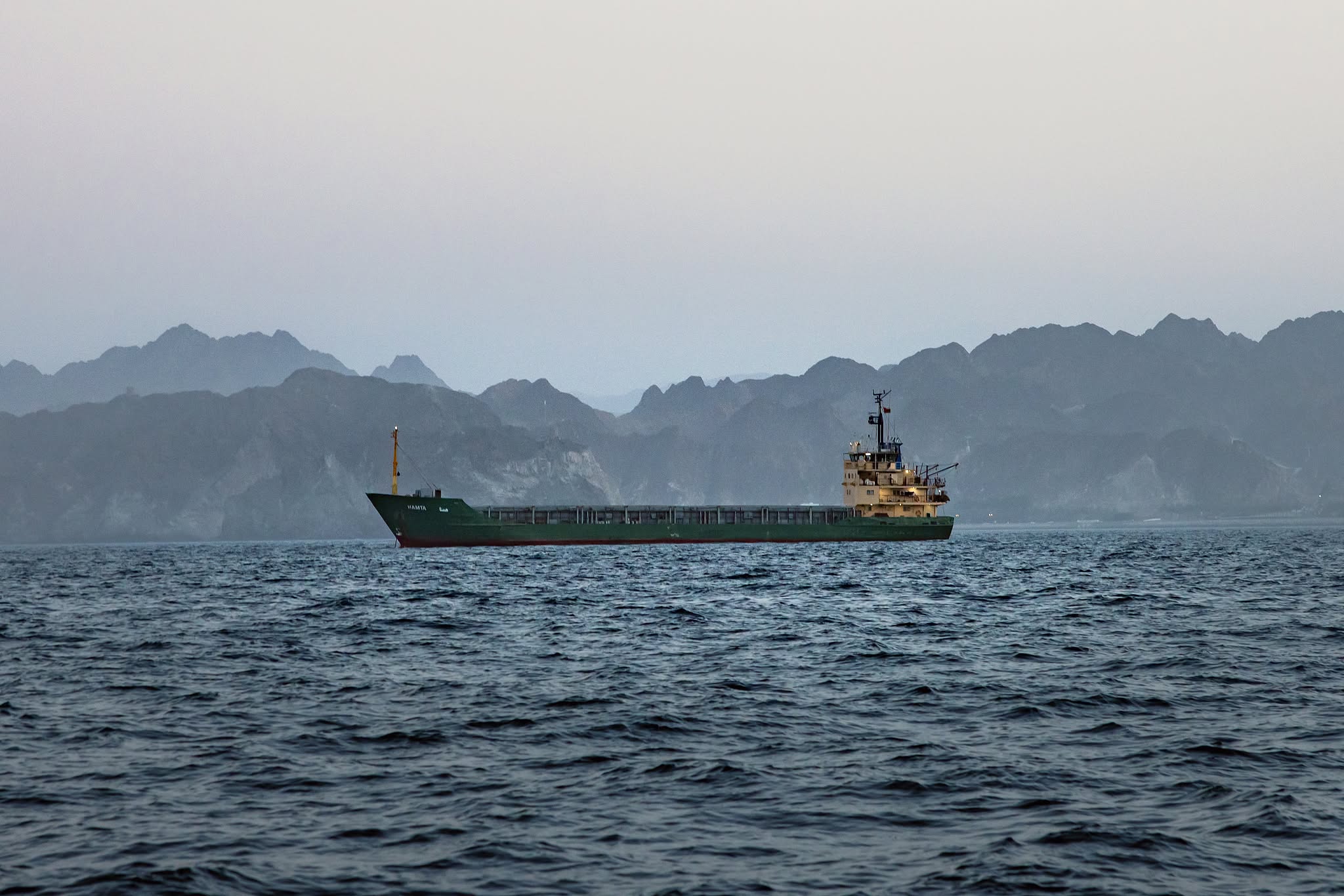
The Strait of Hormuz connects the Persian Gulf with the Gulf of Oman and the Arabian Sea. Any prolonged disruption to shipping through the waterway could have major consequences for international energy markets, increasing concerns over oil supplies, transportation costs and fuel prices.
The Iranian statement comes amid an ongoing standoff between Tehran and Washington over the future of the waterway. US President Donald Trump said Tuesday that the United States has “total” control over the Strait of Hormuz. However, Iran’s latest announcement indicates that the two sides remain far apart over the conditions required for normal commercial traffic to resume.
US Energy Secretary Chris Wright also said that publicly available shipping data may not fully reflect the amount of oil and oil products currently moving through the strait. According to Wright, some vessels are reportedly operating covertly through the waterway, meaning official or private shipping estimates could significantly undercount actual traffic.
The uncertainty surrounding shipping activity has added to concerns among energy traders and governments that the situation could remain volatile. The Strait of Hormuz is particularly important to major oil-producing countries in the Persian Gulf, making its status closely watched by international markets.
Meanwhile, tensions have also continued in the wider region. Pakistani Foreign Minister Ishaq Dar said Wednesday that three Pakistani nationals were killed and another was injured in a Houthi attack on a commercial vessel in the Red Sea.
The attack highlights the continuing security risks facing commercial shipping in the Middle East. The Red Sea and Strait of Hormuz are separate waterways, but disruptions in either area can affect global maritime trade by forcing ships to take longer routes, increasing insurance costs and putting additional pressure on supply chains.
The latest developments have therefore raised concerns about a broader disruption to maritime transportation across the region. Shipping companies and energy markets are closely monitoring statements from both Iran and the United States as they assess whether commercial traffic through the Strait of Hormuz can return to normal.
For now, Iran’s position remains firm: the Strait of Hormuz will stay blocked until its stated conditions are accepted. With Washington claiming control of the strategic waterway and Tehran rejecting assertions that it has reopened, the dispute remains unresolved, leaving international shipping and energy markets facing continued uncertainty.