Russia and Vietnam have devised a mechanism to conceal weapons deal payments using profits from energy ventures, helping them evade U.S. and Western sanctions. According to internal Vietnamese documents obtained by the Associated Press, profits from a joint oil and gas enterprise are being used to repay loans and purchase weapons—bypassing the global banking system.
Under this arrangement, Vietnam has procured fighter jets, tanks, and ships from Moscow on credit, while installments are paid through profits from a joint oil company based in Siberia. The transactions are designed to flow secretly without direct cash transfers. This revelation comes at a time when the U.S. is trying to strengthen ties with Vietnam in Southeast Asia, while the Trump administration has simultaneously threatened strict sanctions on Russia. The White House has also been negotiating with Hanoi by imposing a 20% tariff on trade.
How the Mechanism Works
According to a 2024 memo, Vietnam’s profits are first sent to Russia, then funneled back to PetroVietnam via Zarubezhneft, a Russian state-owned company. This ensures that funds circulate only within Russia and Vietnam, avoiding the SWIFT financial system.
Strategic Message
Analysts say this arrangement goes far beyond a typical trade “offset.” Vietnam, wary of its disputes with China in the South China Sea, appears to be strengthening its military by relying on Russian arms. Meanwhile, the U.S. views Vietnam as a potential partner against China.
Political Sensitivity
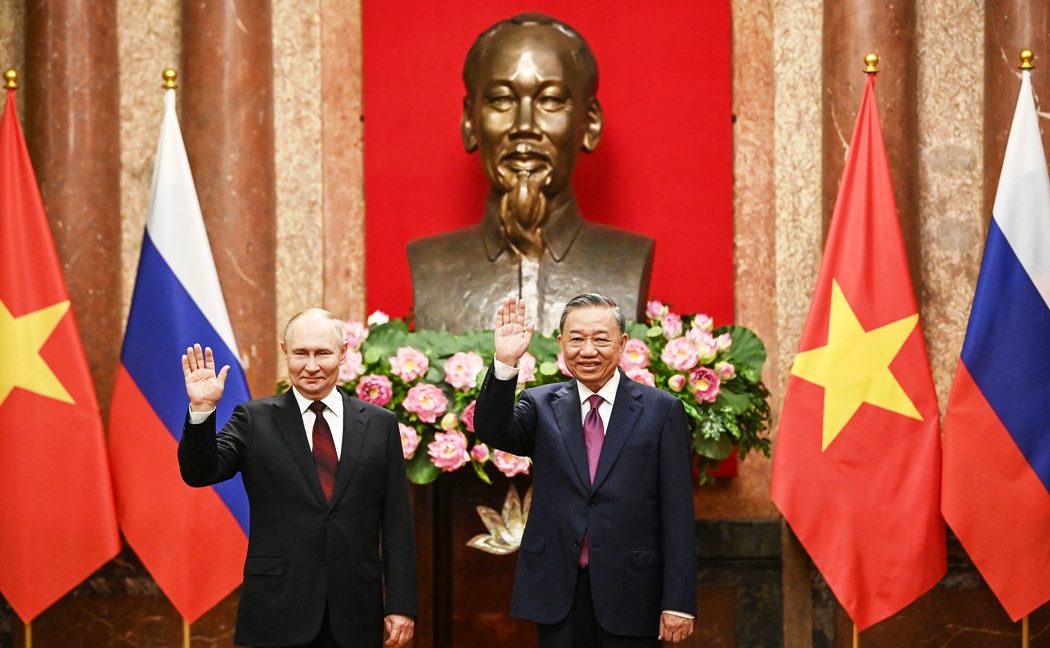
The Vietnamese official who leaked the documents expressed concerns that this could put Hanoi’s relationship with Washington at risk. While the U.S. has not issued a direct response, it has warned that “sanctions will remain in place.” Meanwhile, during Russian President Vladimir Putin’s 2024 visit to Hanoi, a new energy deal was signed, along with a defense-strategic partnership agreement covering 2026–2030. Experts believe that as pressure from Europe and the U.S. mounts, Vietnam’s double game could become a major diplomatic challenge. RSS/AP