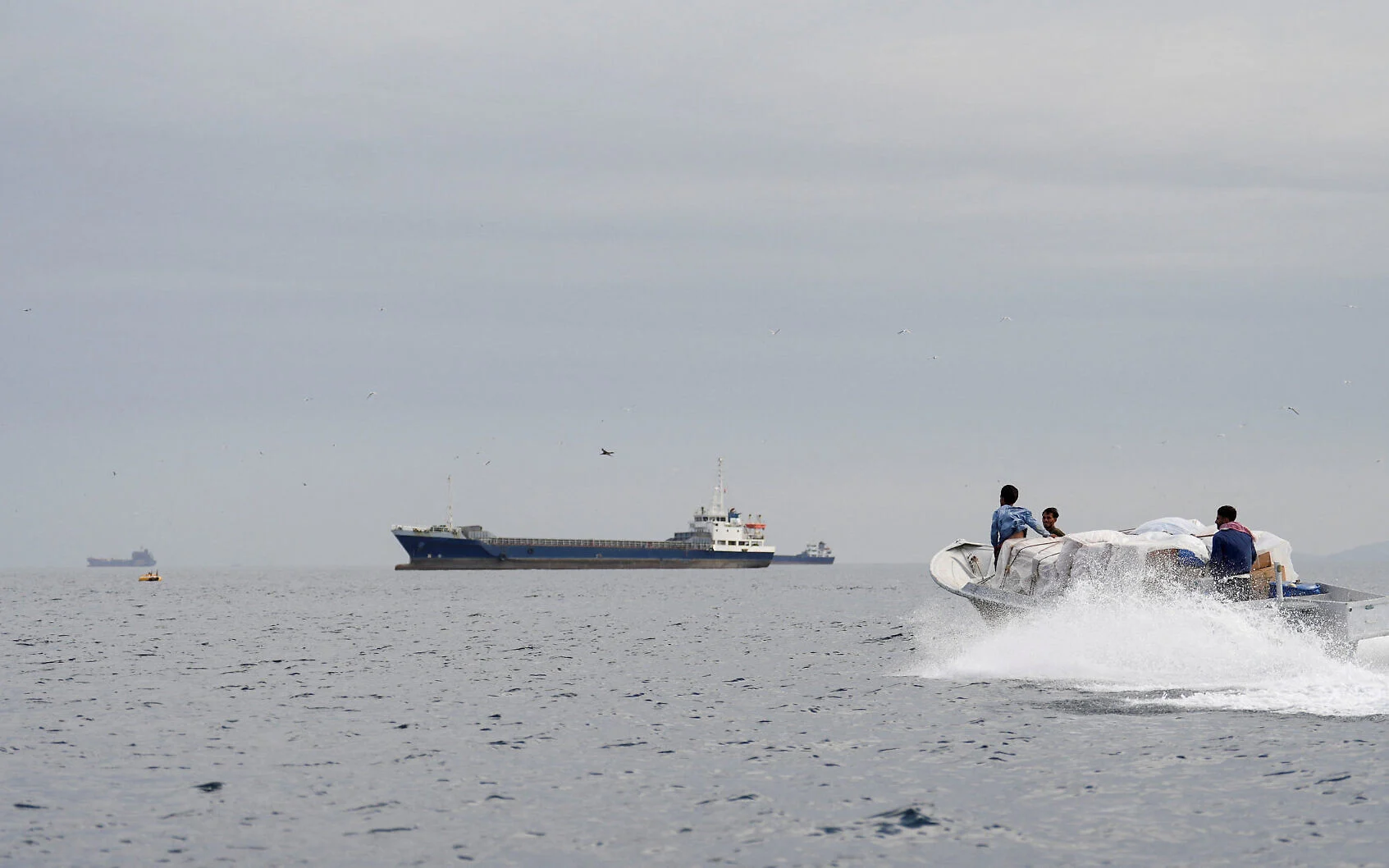
The United States military has announced plans to begin a blockade of Iranian ports starting Monday, following an order from US President Donald Trump after negotiations between Washington and Tehran collapsed in Pakistan.
Iran swiftly condemned the move as illegal, calling it “an act of piracy,” and warned of a strong response if military actions resume, particularly as a fragile 14-day ceasefire remains in place.
In a post on Truth Social, Trump said he had directed the US Navy to enforce the blockade, citing Iran’s failure to reopen the strategically vital Strait of Hormuz. The decision followed stalled talks in Islamabad, where US Vice President JD Vance had been meeting Iranian officials.
The breakdown in negotiations has dampened global hopes for a deal to end the conflict, which has claimed thousands of lives and disrupted the global economy since it began in late February.
Pakistan, which mediated the talks, said it would continue efforts to facilitate dialogue and urged both sides to respect the ceasefire, warning that any maritime blockade could further destabilize the situation.
In a statement, US Central Command said the blockade would be enforced on vessels of all nations entering or leaving Iranian ports along the Arabian Gulf and Gulf of Oman. However, it clarified that ships transiting the Strait of Hormuz to non-Iranian ports would not be obstructed.
Before the US announcement, Iran’s Islamic Revolutionary Guard Corps warned it maintains full control over the strait and would respond forcefully to any challenge.
Trump emphasized that the objective was to clear mines and ensure free navigation, while preventing Iran from benefiting economically from the waterway. He also issued a stern warning against any attacks on US or civilian vessels.
Global oil markets reacted sharply, with prices surging around eight percent, pushing both WTI and Brent crude above $100 per barrel.
Iranian officials rejected the US move, with parliament speaker Mohammad Bagher Ghalibaf stating that Tehran would not yield to pressure, and navy chief Shahram Irani dismissing the blockade threat as “ridiculous.”
Following the failed talks—the highest-level engagement between the two countries since the 1979 Islamic Revolution—Iran’s Foreign Minister Abbas Araghchi accused the United States of undermining progress through shifting demands and hardline tactics, claiming a deal had been close.
Trump, however, signaled indifference about the future of negotiations, saying he was unconcerned whether Iran chose to return to the table.