Russian President Vladimir Putin is not expected to personally attend the upcoming Russia–Ukraine negotiations scheduled to take place in Istanbul, Türkiye. According to an official decree published on the Kremlin’s website, President Putin has appointed his aide, Vladimir Medinsky, to lead the Russian delegation in the talks.
Medinsky, who served as the chief negotiator for Russia during the early stages of its so-called “special military operation” in Ukraine in 2022, will be joined by Deputy Foreign Minister Mikhail Galuzin and Deputy Defense Minister Alexander Fomin. Putin’s name was notably absent from the official list of delegates.
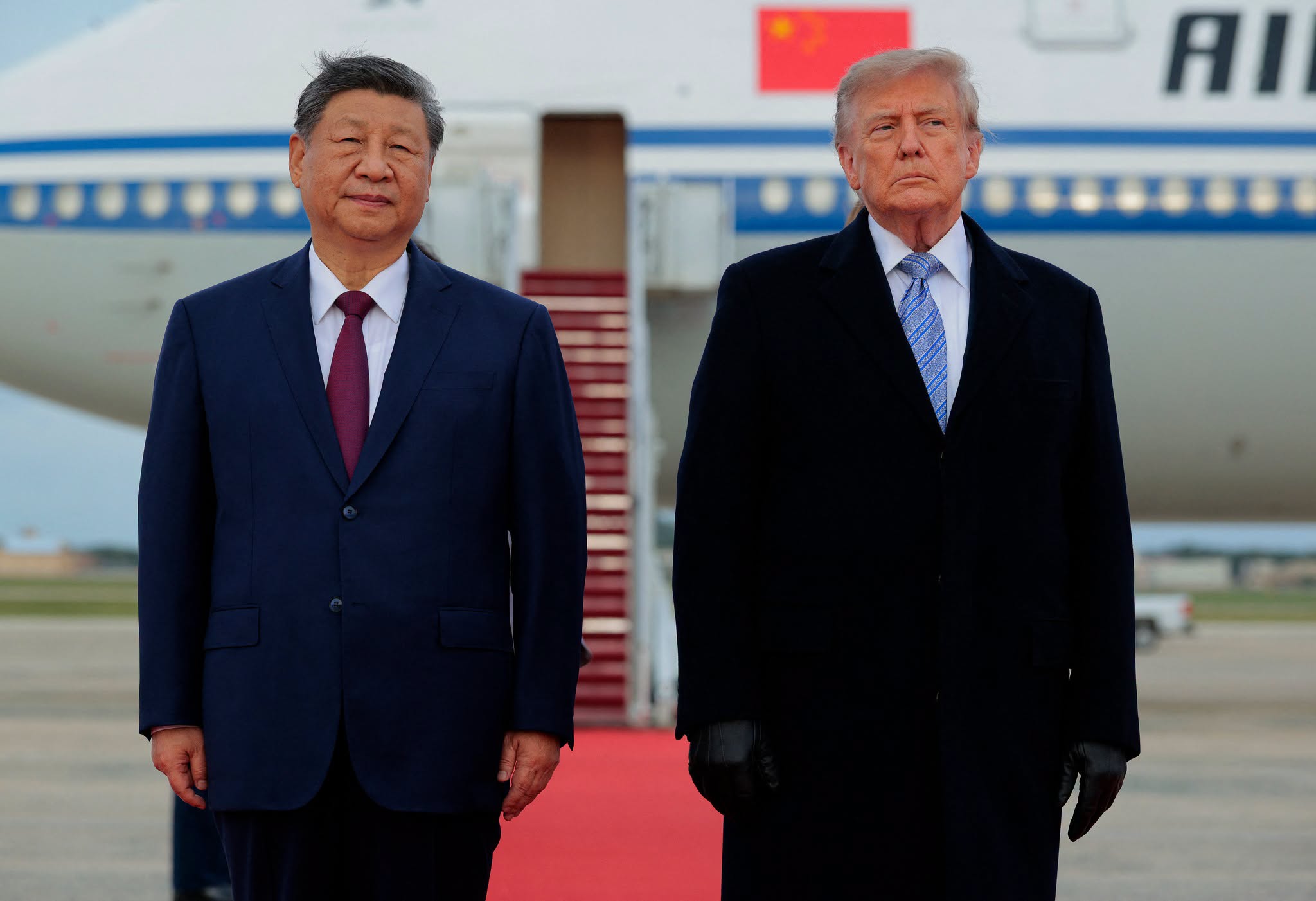
This decision follows Putin’s proposal for direct talks between Russia and Ukraine in Istanbul. Despite his earlier suggestion, the Kremlin opted to dispatch a high-level delegation instead, effectively canceling the anticipated Russia–Ukraine presidential summit.
Ukrainian President Volodymyr Zelensky had expressed openness to a direct meeting, stating his readiness to meet Putin in Türkiye. In a daily press briefing, Zelensky remarked, “We are waiting to see who will come from Russia, and then we will decide how Ukraine should proceed,” signaling flexibility toward various formats of negotiations.
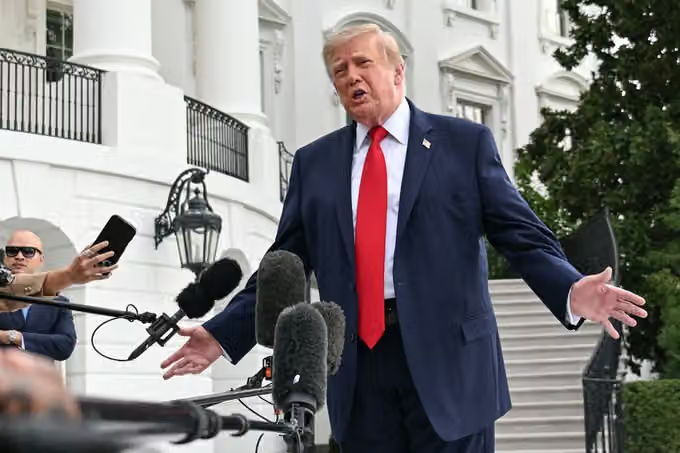
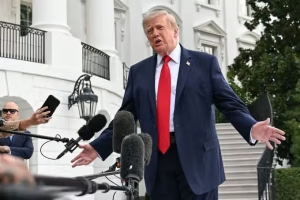
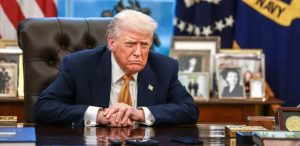
Amid speculations, Zelensky also proposed a potential tripartite summit involving the United States. He extended an invitation to U.S. President Donald Trump, who is currently touring the Middle East, to participate in the discussions. However, the failure of Putin to attend in person contributed to the collapse of plans for such a trilateral summit.
Zelensky concluded his remarks by reiterating, “Ukraine is ready for all forms of negotiations and is not afraid of dialogue,” underscoring Kyiv’s continued willingness to engage diplomatically—even without a face-to-face meeting between the heads of state.
Putin’s decision to abstain from direct participation likely signals a strategic attempt to maintain control without engaging in high-stakes optics. This may delay any major diplomatic breakthrough, especially in the absence of a presidential-level commitment. The Ukrainian leadership, while maintaining a diplomatic posture, may increase international pressure to secure a summit with top-level attendees. Meanwhile, the absence of President Trump from Istanbul sidelines U.S. influence in the proposed trilateral format for now.
The collapse of the planned summit may prolong the current diplomatic stalemate. Continued military activity along contested fronts is expected, with both sides recalibrating their negotiation strategies in light of these developments.