Kathmandu, 19 Oct: Due to the lack of fair pay based on their work in Nepal, nurses are being forced to migrate abroad. While nursing diploma studies cost more than 700,000 rupees and bachelor’s level nursing education exceeds 1.5 million rupees, both government and private hospitals are offering very low salaries, driving many nurses to leave the country.
Karishma Sharma (name changed) was working as a Nursing Director at a government hospital in the Kathmandu Valley. Despite holding a seventh-level government position, she recently moved to the United States after seeing no future in Nepal. Karishma’s case is just one example among thousands of nursing professionals leaving the country.
The minimum salary for a nurse in government hospitals is Rs. 34,730. Dissatisfied with this low pay, thousands of nurses working in both government and private hospitals are migrating abroad. The outflow is not limited to the U.S., Australia, Canada, and Europe—migration to Gulf countries like Kuwait, Saudi Arabia, and Dubai has also been increasing recently.
According to the Nepal Nursing Council, more than 1,000 nurses leave the country each year. In addition to those counted by the council, many others go abroad without registering. Some travel abroad for further studies and end up working there. As of mid-July 2025, a total of 50,776 nurses have received a No Objection Certificate (NOC) from the council to go abroad.
Government’s Directive: Equal Pay to Private Hospitals
Although the Ministry of Health and Population has directed private hospitals and medical colleges to pay nurses and health workers salaries equivalent to government standards, the directive has not yet been fully implemented.
Recently, nurses working in various hospitals and medical colleges have launched protests against low pay. Following their movement, the Ministry of Health and Population instructed private hospitals to ensure salary and benefits equivalent to those in the government sector.
In Nepal’s private hospitals and medical colleges, nurses are reportedly being paid as little as Rs. 11,000 per month. The government has set the minimum basic salary for nurses at Rs. 34,730. On December 12, 2024, the Ministry issued a five-point directive to all health institutions, including medical colleges and hospitals, to implement this pay scale and other benefits. However, the directive remains unimplemented in many institutions, prompting the ministry to again order immediate enforcement and submission of a compliance report.
Nepal Nursing Association President Chandrakala Sharma stated that nurses’ salaries and allowances remain extremely low. She said that the association had already submitted a memorandum to the government after receiving complaints about low pay at institutions like Manipal Medical College and Gandaki Medical College. The ministry also clarified that hospitals must provide work experience certificates to health workers and pay salaries only through banking systems. It further warned that hospitals failing to implement the directive would face legal action.
“We Cannot Pay Government-Level Salaries”
Meanwhile, the Nepal Private Medical and Dental College Association has formally written to the Ministry of Health and Population, stating that private institutions cannot afford to pay nurses the same as the government does. Association President Prof. Dr. Gyanendra Man Singh Karki said that it is impossible for private medical colleges to pay government-level salaries just because the government says so. He mentioned that salaries could be increased to Rs. 40,000 only if nurses commit to staying for at least five years. He warned that if the government insists on enforcing full government-level benefits, private colleges should then be nationalized.
All-Party Discussion on Sunday
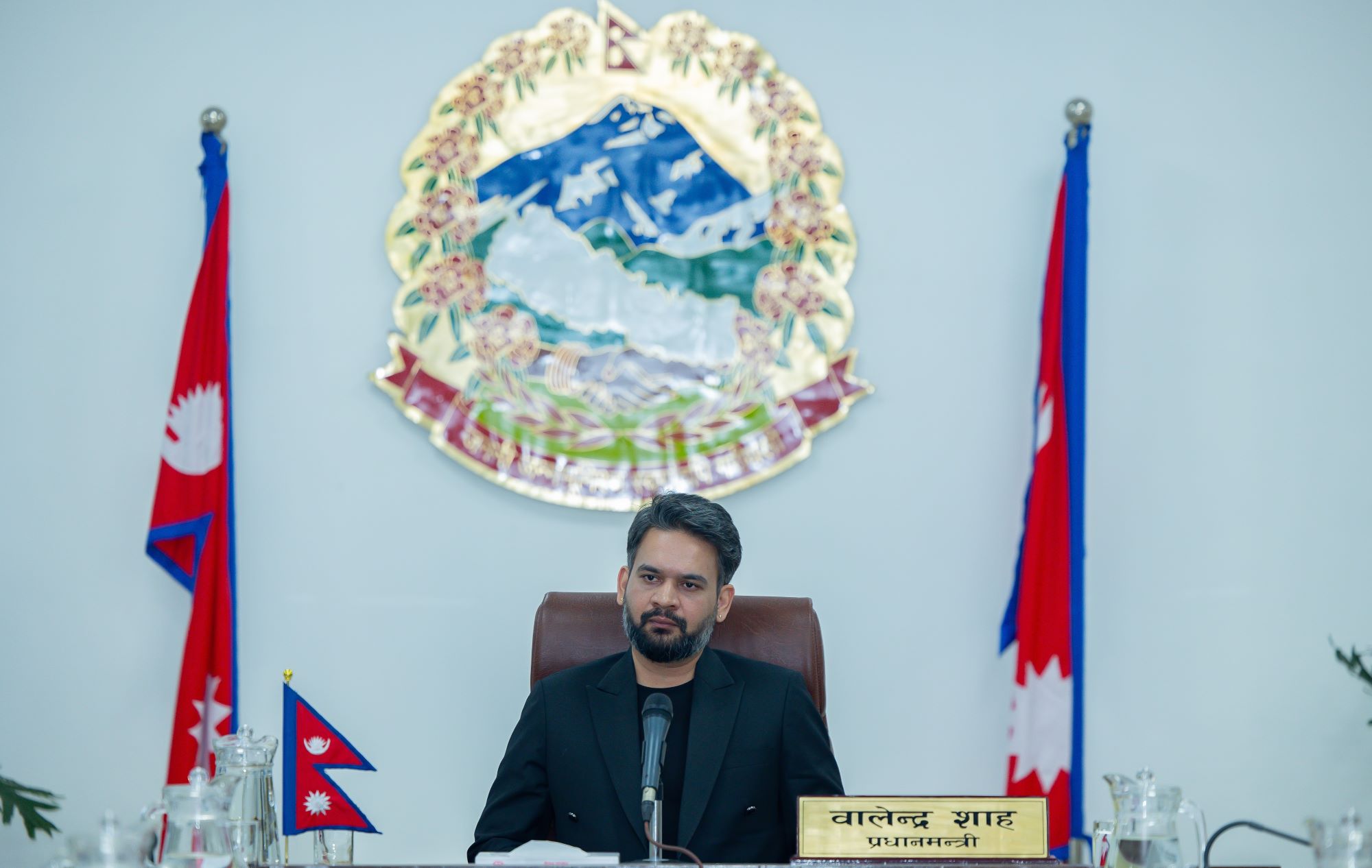
Following Prime Minister Sushila Karki’s directive to address the nurses’ concerns, the Ministry of Health and Population initiated an all-party discussion. On Friday, the ministry held talks with the protesting nurses’ representatives, Nepal Nursing Association officials, representatives from the Private Medical and Dental College Association, Generation Z (GenZ) representatives, and members of the Medical Education Commission.
To reach a more concrete conclusion, the ministry decided to hold a broader all-party meeting on Sunday. Nepal Nursing Association President Prof. Chandrakala Sharma said that discussions were held on the nurses’ demands, working conditions, and salary issues. Health Secretary Dr. Bikash Devkota described the Friday meeting as positive and said that the government is taking a constructive approach toward resolving the nurses’ concerns.
Saroj Dhungel