Gandaki, 9 Jul: Magar and Gurung Languages Added as Official Languages for Government Use in Gandaki Province
Magar and Gurung languages have been officially added to the list of government working languages in Gandaki Province.
The Gandaki Provincial Assembly unanimously passed a bill today (Tuesday) that provides for the use of Magar and Gurung languages in government functions. Until now, only the Nepali language written in the Devanagari script was recognized as the official language for administrative work.
Gandaki Province is home to a significant population of Magar and Gurung communities, with Magars comprising 19.79% and Gurungs 11.31% of the total population. To facilitate access to government services, preserve, promote, and develop the Magar and Gurung languages, the provincial government introduced a bill to recognize these languages for official use.
The bill was tabled by Minister for Social Development, Youth, and Sports Bindu Kumar Thapa last Thursday and was unanimously passed by the Provincial Assembly.
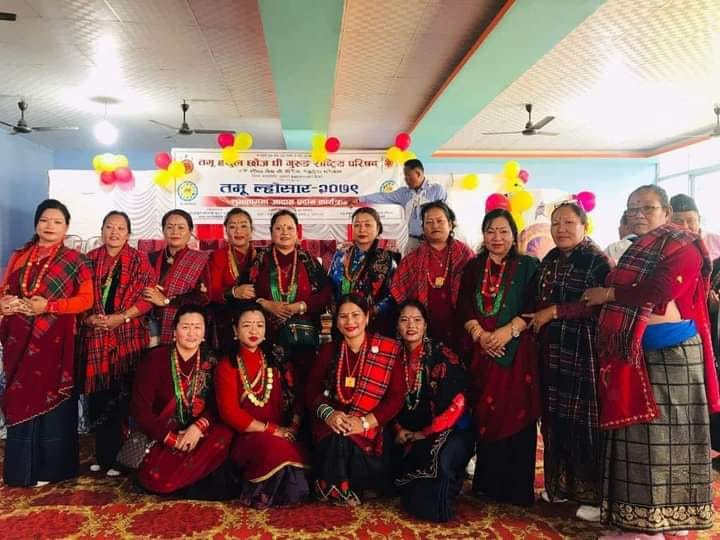
Gurung community
Prior to the bill’s passage, it underwent extensive discussion in the Legislation Committee and was refined after consultations with relevant stakeholders. On Tuesday, the Provincial Assembly held a clause-by-clause discussion during which eight members expressed their views on various provisions of the bill. Following the minister’s responses, the bill was presented for approval and was unanimously adopted.
The bill to make Magar and Gurung languages official working languages across Gandaki Province will come into legal effect once it is certified by Gandaki Province Chief Dilliram Bhatt.
Once enacted, all government offices across the province—including ministries, commissions, directorates, and other institutions—will be required to use Magar and Gurung alongside Nepali in their official functions.
Moreover, public documents within these offices will need to be translated into Magar and Gurung and archived accordingly. Service recipients will also be allowed to submit applications, certificates, and other official documents in either Magar or Gurung, and any resulting documents or responses must be provided in the same language if requested.
The bill clearly states that no citizen shall face discrimination, exclusion, or disrespect for submitting or using documents in their mother tongue—Magar or Gurung.
Instead, it mandates that the provincial government and its offices collaborate with stakeholders to implement programs that promote and preserve these official working languages.
The bill also requires government offices to display citizen charters and information boards in Magar and Gurung languages. Additionally, it includes provisions for making higher education opportunities available in these languages to further strengthen their use in academic and administrative spheres.
During the discussion on the bill, Saraswati Gurung from the Congress, Ganeshman Gurung from UML, Kusum Budha Magar and Haribahadur Bhandari from the CPN (Maoist Center), Sudhir Kumar Paudel and Nirmala Thapa from UML, Mahesh Bhattarai from Congress, and Bindu Paudel from Rastriya Prajatantra Party (RPP) described the day the bill was passed as a historic day.
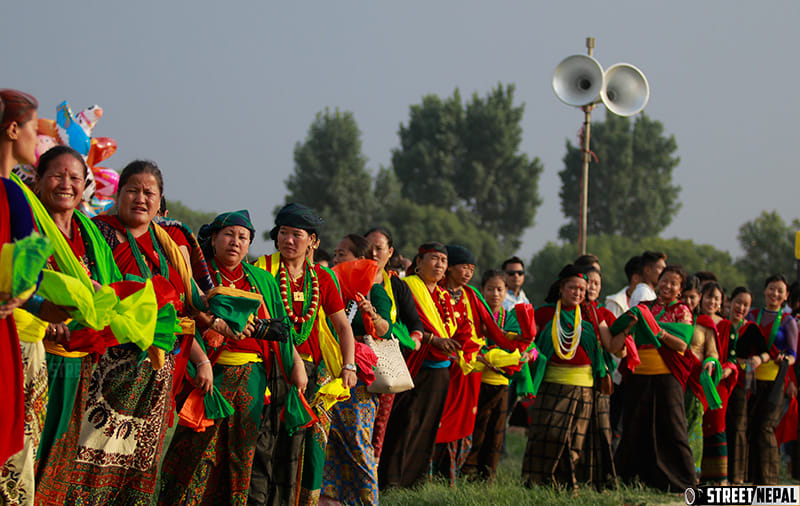
Magar community
However, they emphasized the importance of effective implementation. Their unanimous message was:
“Languages are not just means of communication but are symbols of culture and civilization. Therefore, it is the state’s responsibility to protect, promote, and develop them.”
Responding to questions raised by Provincial Assembly members during the bill discussion, Gandaki Province’s Minister for Social Development, Youth, and Sports, Bindu Kumar Thapa, explained that the provincial government drafted the bill to use Magar and Gurung languages as working languages in accordance with the spirit of Nepal’s Constitution and recommendations from the Language Commission.
He emphasized the efforts made to make the bill free of controversy and broadly acceptable, stating, “We visited all 11 districts of Gandaki Province—including Syangja, Tanahun, Baglung, and Kaski—and held discussions with experts and stakeholders.”