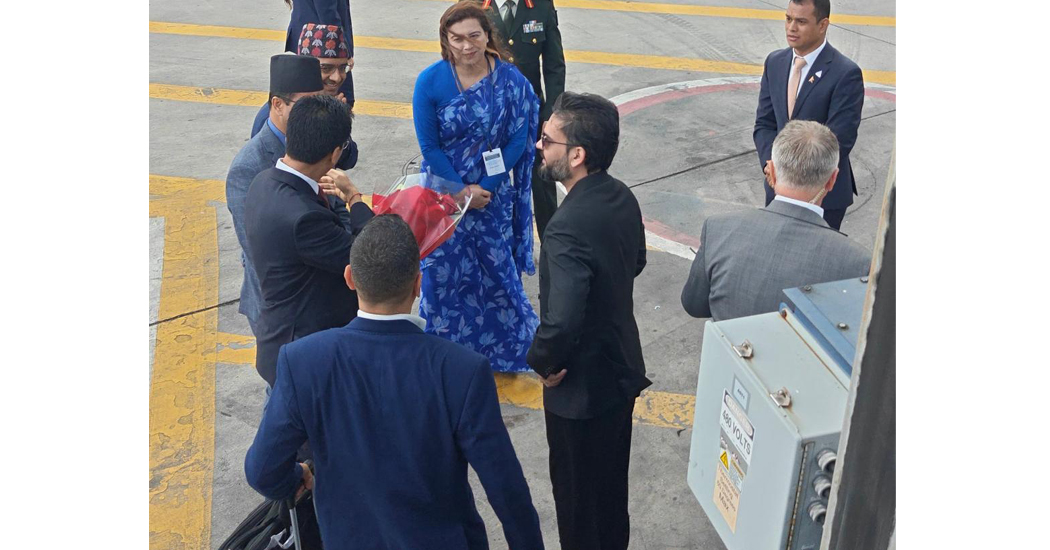
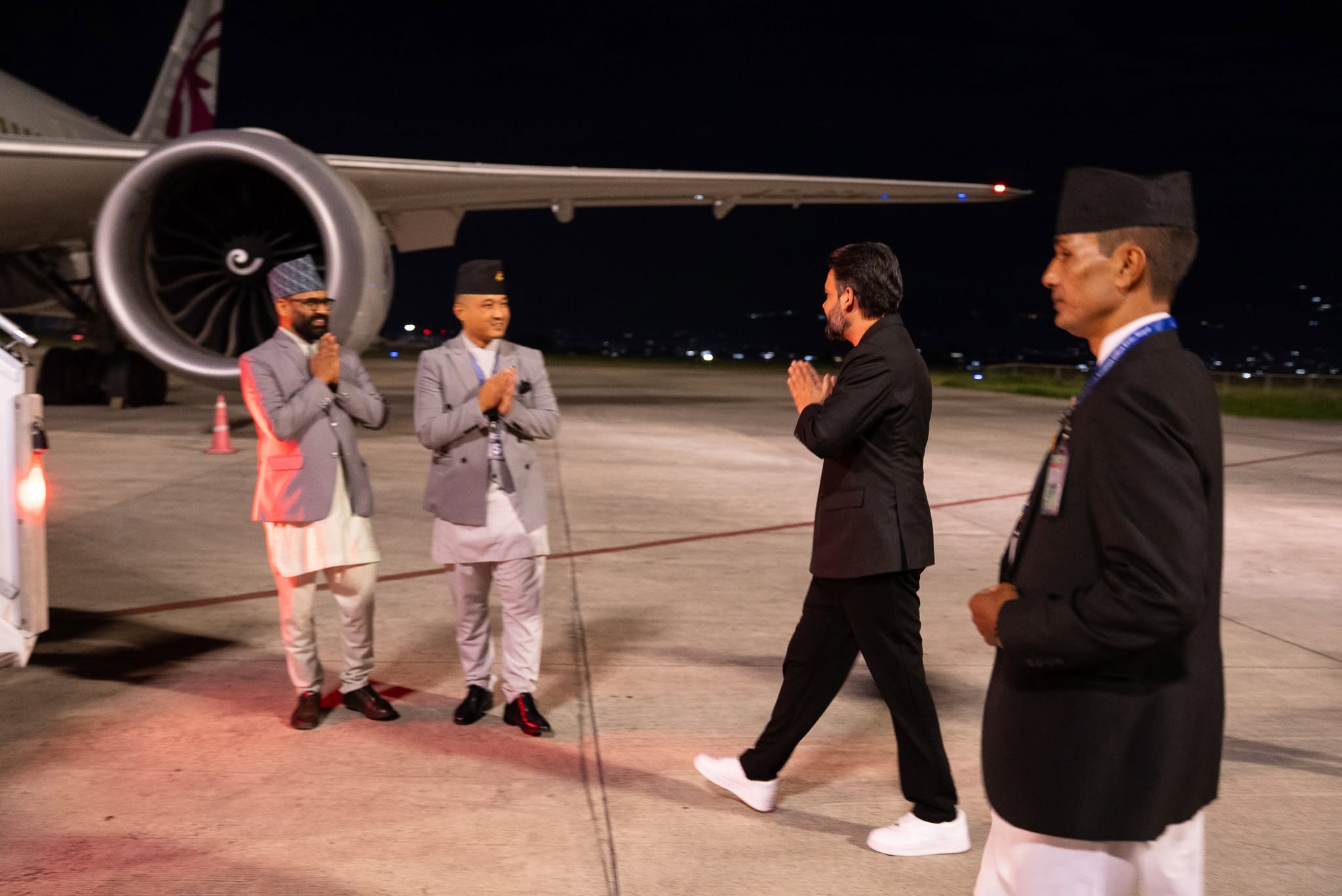
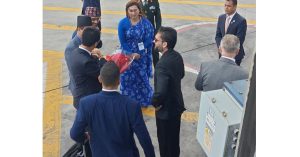
Chinese state media gave prominent coverage to Chinese Foreign Minister Wang Yi’s visit to India.
During his two-day visit to India, Wang Yi held important discussions with India’s National Security Advisor Ajit Doval on the border dispute between the two countries. He also met with Foreign Minister S. Jaishankar and Prime Minister Narendra Modi.
According to Chinese state media, India now wants to adjust its strategy in light of the additional tariffs imposed by the United States on Indian goods, and Wang Yi’s visit to India was part of this shift. Chinese media stated that strong relations between India and China would prove beneficial for the Global South. The term Global South refers to the group of developing countries in Asia, Africa, and South America.
However, India and China have diverged in their statements regarding Wang Yi’s visit. The two countries have particularly diverged on the issue of Taiwan and China’s proposed dam on the Shangpo River in Tibet. India has expressed concerns about China’s ambitious dam, which experts have called a threat to the environment.
What was achieved during Wang Yi’s visit to India? When asked, Chinese Foreign Ministry spokesperson Mao Ning said on August 20 that the two sides had reached consensus on many important issues. These included resuming bilateral dialogue on various issues, deepening mutually beneficial cooperation, and jointly addressing global challenges, as well as opposing any country’s policy of unilateral pressure. This was reported by China’s state-run newspaper Global Times. According to the newspaper, the two sides also agreed to maintain peace and stability in the border area.
Are India and China coming closer due to Trump’s tariffs?
China’s state media has viewed Wang’s visit to India positively. It has also stressed that both countries are willing to build good relations with each other. It has also referred to the US policy of unilateral pressure. “Wang’s visit to India is widely seen as a preparation for Prime Minister Modi’s scheduled visit to Tianjin for the SCO summit,” said an editorial in the English-language state-run China Daily on August 19.

The editorial also noted that while the US administration is waging a fierce tariff war against the rest of the world, India is forced to accept the harsh reality that despite its close ties with the US, India cannot escape US tariffs. ‘India is in a state of confrontation with the US administration because it has refused to stop buying Russian oil. In this situation, India is understanding the importance of strategic autonomy and is trying to improve relations with China so that it can gain strategic space and policy flexibility,’ the editorial also said.
A report in the state-run Global Times newspaper also said that India is leaning towards Asian markets. The report said that its high dependence on the US market for exports has become a weakness due to rising tariffs. In an article published on the nationalist news and commentary website Guangcha, Lin Minwang of Fudan University said that “India can try to improve its bargaining power with the US by improving relations with China.” However, Lin said in the article that China welcomes good relations, but will never compromise on matters related to national interests.
Source of BBC Hindi