Despite concerns from India, China begins construction of world’s largest hydropower project on Brahmaputra
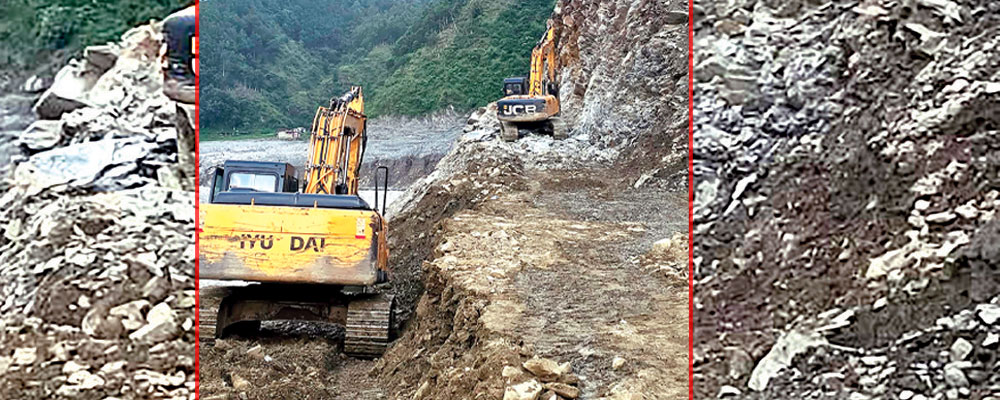
China has initiated the construction of what is expected to become the world’s largest hydropower project on the Brahmaputra River, despite potential implications for its relationship with India.
On Saturday, Chinese Premier Li Qiang officially launched the construction of the mega dam on the lower section of the Yarlung Tsangpo River, as it is known in China. Multiple media outlets, citing China’s state-run Xinhua news agency, reported that Li also unveiled a new company to manage the development of the dam, named China Yajiang Group.
The Yarlung Tsangpo River becomes the Brahmaputra when it enters India through Arunachal Pradesh, and is later called the Jamuna once it flows into Bangladesh.
Currently, the world’s largest hydropower plant is China’s Three Gorges Dam, which has a capacity of 22,250 megawatts. The new dam on the Brahmaputra is planned to have a staggering capacity of nearly 70,000 megawatts, with an estimated cost of approximately $167 billion.
Indian External Affairs Minister S. Jaishankar informed Parliament in March that India had formally raised its concerns over the project with China in December. The issue was also a major topic during bilateral talks in January. Bangladesh has also expressed concern over the project’s downstream impact.
However, China claims the dam will be a “run-of-the-river” project, meaning it will not involve large reservoirs, but instead generate electricity from the natural flow of the river. Chinese officials argue that such a project should not raise objections from downstream countries. On the contrary, they assert, it will aid disaster prevention, climate change adaptation, and provide benefits to lower riparian regions.
India and Bangladesh are far from pleased with China’s decision to move forward with a massive hydropower project on the Brahmaputra River, citing environmental concerns, regional impacts, and geopolitical tensions.
Despite strong opposition from India and warnings about potential damage to the environment and biodiversity, China has begun work on the project, which is part of its 14th Five-Year Plan (2021–2025) — first revealed publicly in December.
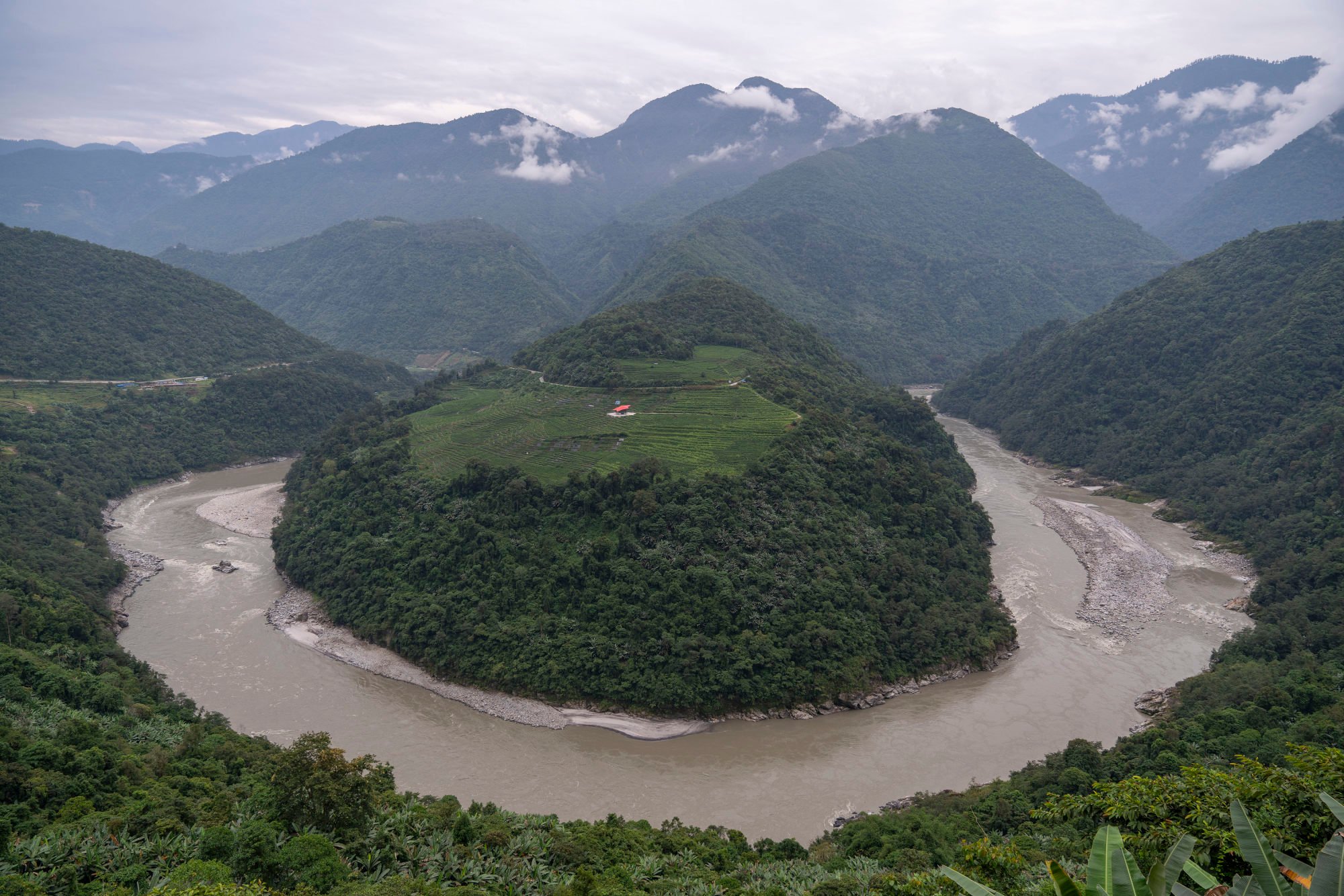
China has yet to release full details, but the project is believed to be located in the world’s deepest canyon on the Brahmaputra, near the India-China border, in an area where the river makes a dramatic U-turn into Indian territory. This region lies close to Arunachal Pradesh, a territory India claims as its own, but which China refers to as “South Tibet.”
India and Bangladesh, both located downstream, have expressed concern that such a massive construction project so close to their borders could impact the river’s flow, threatening drinking water supplies, agriculture, and food security. In fact, the Brahmaputra accounts for about 44% of India’s total hydropower potential and around 30% of its river-based water resources.
India-China relations have been strained since the Galwan Valley military clash in June 2020, though ties are now slowly improving.
Adding to India’s concern, the project site is located in a high seismic risk zone. A strong earthquake could severely damage the dam, potentially unleashing catastrophic floods into Indian territory.
According to The Diplomat, the Brahmaputra near the proposed dam site flows through extremely steep terrain, with the water level dropping about 15 meters per kilometer — a steep natural gradient that makes it ideal for generating vast amounts of hydroelectric power. By the time the river enters India, it descends around 2,000 meters.
A 2023 report cited by the Times of India claimed China plans to drill 4 to 6 long tunnels, each about 20 kilometers, to divert nearly half of the river’s water flow through the mountains for power generation.
China’s President Xi Jinping has been pushing for investment in renewable energy as part of efforts to cut carbon emissions. Although China has expanded its solar and wind energy sectors, it still generates over 60% of its electricity from coal, making it the world’s largest carbon emitter.
Amid growing international criticism over China’s emissions, Xi has pledged that China’s carbon emissions will peak by 2030 and reach carbon neutrality by 2060. The Brahmaputra mega-dam aligns with this long-term energy transition strategy.