Key Highlights:
-
Finance Minister Dr. Swarnim Wagle urges multinational companies to expand investment, create new jobs, and introduce new technology
-
Companies pledge to bring in Rs 200 billion in new investments, but emphasize need for policy stability and procedural reforms
Kathmandu, 11 Aug: Nepal is set to receive an additional Rs 200 billion in foreign investment in the near future, with the process already underway. However, representatives of multinational companies have stressed the need for greater policy stability to facilitate this inflow.
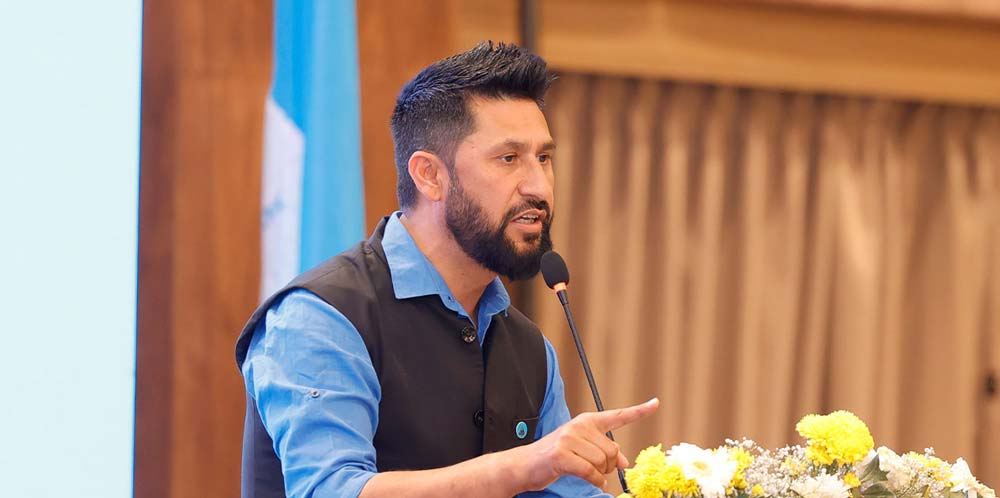
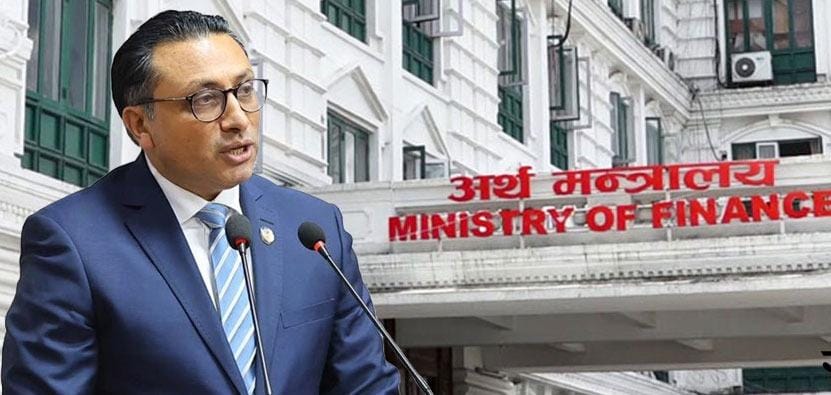
During a meeting held Monday at the Ministry of Finance, Finance Minister Dr. Swarnim Wagle held discussions with representatives of major multinational taxpayer companies operating in Nepal. Following the minister’s appeal to bring in more investment, the company representatives expressed their commitment to scale up investments provided there is greater policy stability.
Minister Wagle urged the 20 large multinational companies to expand their existing investments, create new employment opportunities, and introduce new products and technology into Nepal. “Invest more in Nepal. Expand your existing industries. Enter new production and technology sectors. The government will stand with you,” said Minister Wagle.
Government Commits to Protecting Profits and Assets
In the discussion, Finance Minister Dr. Swarnim Wagle assured that the government would protect the profits earned by any company in Nepal. He stated that since entrepreneurs invest based on the security of their profits, protecting those profits is the government’s responsibility.
“Protecting legally made investments, created assets, and earned profits in Nepal is the government’s primary duty,” he said. He added that investment would only flow in when entrepreneurs are confident that their assets are secure, regulations are stable, and the tax system is predictable. The government has initiated efforts to build that trust, he noted.
The minister also urged investors to further expand their investments. “Invest more in Nepal. Expand existing industries. Enter new production sectors. Bring in new technology. Create new employment opportunities,” he reiterated.
Minister Wagle mentioned that through this year’s budget, the government has sent a message that the private sector will be viewed not with suspicion but as a partner. He emphasized that the government’s priority is no longer just increasing tax collection, but accelerating the cycle of production, investment, profit, and reinvestment. “Only when industries earn profits can they reinvest, which increases production and creates jobs. Employment raises income, income expands the market, and ultimately state revenue also increases,” he explained.
He further stated that the relationship between the government and the private sector is not a zero-sum game; rather, their successes are intertwined. The minister also sought suggestions from investors on the impact of government reforms, obstacles to business expansion, and areas needing immediate improvement, pledging timely coordination with relevant ministries to implement those suggestions.
“The Ministry of Finance will continuously monitor this through a ‘Response Desk.’ This dialogue is not a one-time event. This series will continue until problems are resolved,” he said. He also assured that the government would respect taxpayers not just as sources of revenue but as partners in nation-building. The government is also working to ensure that honest tax payment is accorded high social respect, creating an environment where society takes pride in successful entrepreneurs and investors feel secure, he added. He called on all to make the coming decade Nepal’s “decade of big investment, big production, big employment, and big confidence.”
Companies Seek Procedural Reforms Alongside Policy Stability
Following the finance minister’s appeal, company representatives shared their views and informed him that a process for investing Rs 200 billion in Nepal was already advancing. They sought greater policy stability to accelerate this process. According to the minister’s secretariat, senior officials from companies operating in hydropower, paint, hotel, and beverage manufacturing sectors briefed the minister on their investment expansion plans.
“We are investing Rs 200 billion in hydropower, food, hotels, paint, and other industries. The government should create a favorable environment. We are ready to expand our investments. This will play a role in creating jobs and boosting the economy,” said a chief of a multinational company.
While appreciating that the new government’s budget had significantly boosted foreign investor morale, they urged the government to be more accommodating on some policy and practical fronts. Although improvements have been seen in the administrative work of the Department of Industry, the Office of the Company Registrar, and tax and customs offices since the new government took office, they stressed the need for further facilitation in some policy announcements and their practical implementation.
According to the representatives, the government should facilitate the process for companies investing in Nepal to bring in capital from their parent companies. They also called for a clear distinction between economic offenses and criminal offenses, an amendment to Section 57 of the Income Tax Act, and revision of labor laws to create an investment-friendly environment.
Specific issues raised included stable customs duties on raw material imports for multinationals, facilitation in procuring locally available raw materials and price controls, removal of land ceiling restrictions, and uniformity in tax determination across local levels. They also drew the minister’s attention to the need to make the delivery of essential services technology-friendly for creating a better industrial environment, simplify the process for avoiding double taxation, and ease the process for repatriating returns.
Meanwhile, Finance Minister Dr. Wagle has been intensifying discussions on budget implementation. Earlier, he had met with three dozen industrialists operating manufacturing industries, followed by discussions with chief executive officers of commercial banks. The same week, he also held discussions with 18 executive directors of Nepal Rastra Bank on matters concerning economic development.