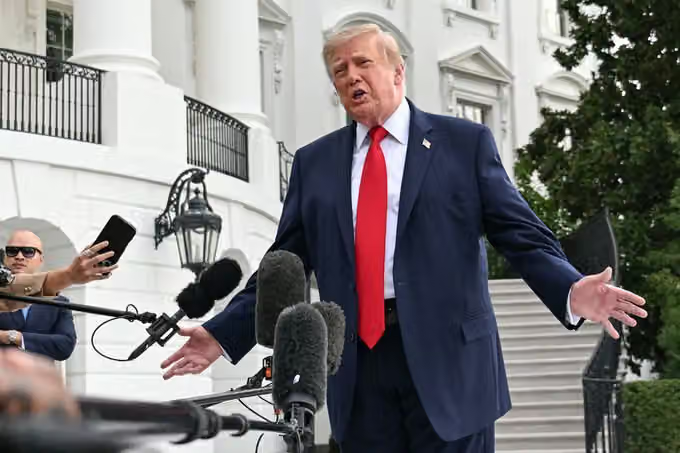
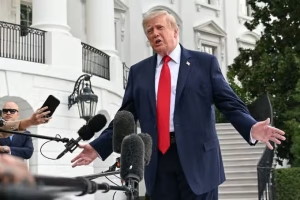
Donald Trump said on Wednesday that the United States has recently been holding phone discussions with Iran, after canceling a planned trip for American negotiators to travel to Pakistan for face-to-face talks.
His remarks came shortly after he rejected a proposal from Tehran that suggested reopening the Strait of Hormuz and easing the US blockade in exchange for delaying nuclear negotiations. Trump reiterated that Iran must completely abandon its nuclear ambitions if it hopes to end the conflict.
At the same time, Pete Hegseth appeared before Congress, defending the ongoing war effort and dismissing claims that the US had become trapped in a prolonged conflict. He stated that the war has already cost around $25 billion.
In an interview with Axios, Trump emphasized that sanctions and the naval blockade on Iranian ports would remain in place until a nuclear agreement is reached. He argued that the blockade has been more effective than military strikes, saying it is placing significant pressure on Iran’s economy and limiting its ability to pursue nuclear weapons.
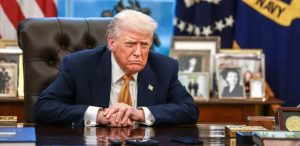
Trump also warned that Iran’s energy sector could soon face severe consequences if oil exports remain blocked. Speaking later at the Oval Office, he noted that recent discussions suggest Iran may be moving closer to US demands, but questioned whether it would fully comply with conditions, particularly the requirement of having no nuclear weapons.
Although Trump did not clarify whether the talks were being conducted through intermediaries, he insisted that remote negotiations were sufficient and that travel to Pakistan was unnecessary.
Despite stating that economic pressure has been more impactful than the six-week bombing campaign launched by the US and Israel earlier this year, reports indicate that military options are still being considered. According to sources, US Central Command has prepared a short but intense bombing plan targeting key infrastructure if Iran refuses to concede.
Meanwhile, Iran has shown no signs of backing down. Officials have vowed to continue disrupting shipping through the Strait of Hormuz, a critical global route for oil and gas, as long as external pressure continues. This raises concerns about further disruptions to global energy supplies.
Mohammad Bagher Ghalibaf accused the US of attempting to destabilize Iran internally through economic pressure and political division. He claimed Washington aims to create conflict between hardliners and moderates while using the blockade to weaken the country from within.
Following the deaths of several senior Iranian figures in recent strikes, including former supreme leader Ali Khamenei, questions have arisen about Iran’s internal power structure. The current leader, Mojtaba Khamenei, has not appeared publicly since assuming power in March.
Trump previously stated that Iran’s leadership appears increasingly divided. However, Ghalibaf, who has gained influence during the conflict and led the only direct round of talks with the US, called for national unity, warning that external pressure and media influence are aimed at weakening Iran from within.