Parsa, 24 Jul: The import of dietary supplements from foreign countries has put domestic industries under pressure. Industrialists say that locally produced supplements are struggling to compete with imported ones. Dietary supplements are taken to compensate for a lack of balanced nutrition in the human body.
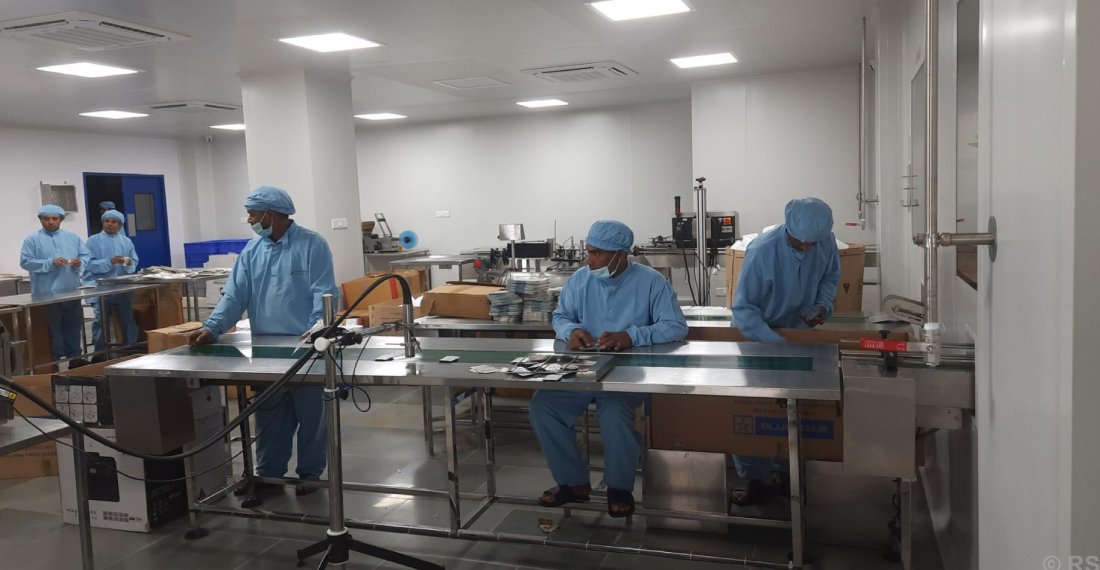
Saket Kyal, the operator of Jayshree Health Care, a dietary supplement manufacturer based in the Bara–Parsa Industrial Corridor, stated that the influx of imported products has created challenges for domestic producers.
Despite investing NPR 400 million to establish the supplement industry, Kyal says the sector is facing difficulties due to the unchecked import of foreign products and a lack of government support. “Local industries are suffering due to the absence of necessary coordination and support from government agencies,” he said. “Low-quality imported supplements can also pose serious risks to public health. Relevant authorities need to pay attention to this issue.”
Although the Department of Food Technology and Quality Control is the regulatory body for dietary supplements, it faces staffing and technical resource shortages, making effective coordination and oversight difficult.
Kyal also highlighted that many imported products are not registered and often enter the market without proper approvals, calling for stricter legal frameworks to regulate their import.
Hari Gautam, President of the Birgunj Chamber of Commerce and Industry, stressed that the government should adopt policies that promote and protect domestic industries. “It is essential to eliminate legal and procedural hurdles faced by local businesses,” he said. “Industrialists have been demanding concessions on raw materials, which should be addressed.”
While the government currently allows pharmaceutical industries to import raw materials and packaging at just 1% customs duty, dietary supplements are subject to 20–40% customs duty and value-added tax, according to entrepreneurs. Many argue that dietary supplement raw materials should receive similar import facilitation as pharmaceuticals.
Jayshree Health Care currently provides employment to around 50 people. Spread across approximately 31,000 square feet, the industry manufactures about 40 types of dietary supplements, sourcing necessary raw materials from abroad. Last fiscal year alone, the company reported sales of dietary supplements worth about NPR 6 million.
According to Kyal, dietary supplement imports in Nepal amounted to approximately NPR 1.5 billion last year. With proper promotion and support for domestic production, he believes many industries like his could contribute to import substitution and strengthen Nepal’s self-reliance.