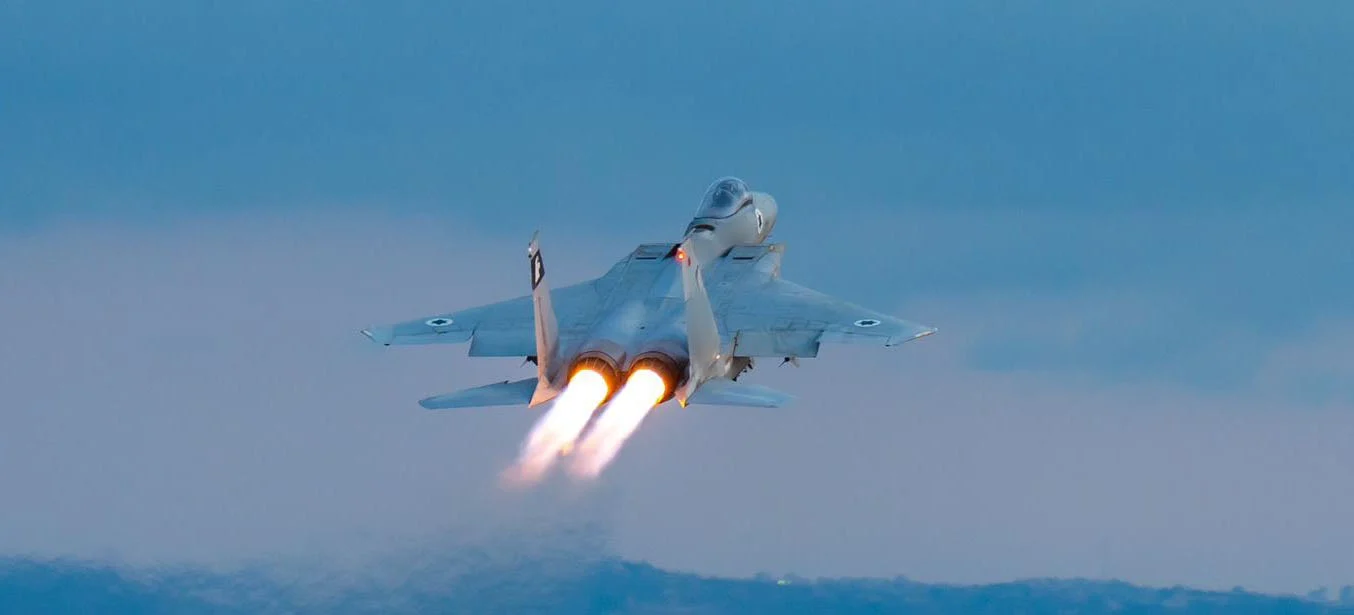
Kathmandu, 22 June: Even before the Russia–Ukraine war has subsided, the escalating conflict between Iran and Israel has recently shaken global trade. As soon as news broke that Israel had attacked Iran’s nuclear facilities, crude oil prices surged—and the upward trend has not stopped.
Experts say that the ongoing war is having a direct impact not only on the global market but also on the Nepali market. If the conflict does not end soon, it could affect Nepal’s foreign aid, remittances, and employment.
Former Joint Secretary of the Ministry of Commerce, Ravi Shainju, stated that the Iran–Israel war could have both direct and indirect effects on foreign trade. “Nepal doesn’t have significant trade with Iran, but billions of rupees worth of goods are imported from Israel, while exports to Israel are only in the millions,” he said. “If the war escalates, it will also disrupt imports and exports to and from the U.S. and Europe.”
Shainju pointed out that goods from the U.S. and Europe are transported via the Red Sea. If the Iran–Israel conflict disrupts this route, imports may need to be rerouted around Africa. “That would make the import routes longer, increasing the cost of goods. It will affect not only imports but exports as well,” he added. “Overall, both inflation and logistical costs are expected to rise.”
According to the Department of Customs, Nepal’s annual trade with Iran amounts to only a few crores, while trade with Israel is in the billions. In the first 11 months of the current fiscal year, Nepal imported goods worth NPR 1.15 billion (1,156,388,000) from Israel and exported goods worth NPR 54.9 million (54,918,000). During the entire previous fiscal year, imports from Israel totaled NPR 1.89 billion (1,899,800,000), while exports were just NPR 42.2 million (42,200,000).
In the first 11 months of the current fiscal year, Nepal imported goods worth NPR 67.06 million (6,70,65,000) from Iran, while exports to Iran amounted to only NPR 8.59 million (85,93,000), according to data from the Department of Customs.
In the previous fiscal year, Nepal had imported goods worth NPR 28.71 million (2,87,13,000) from Iran, and exports were limited to just NPR 4.08 million (40,88,000).
The Department of Customs has reported that Nepal primarily imports soft drinks, eyewear, and various medical supplies from Israel. In the first 11 months of the current fiscal year alone, Nepal imported soft drinks worth NPR 831.5 million from Israel. On the other hand, Nepal exports items like chewing tobacco, tobacco flakes, and carpets to Israel.
Although Nepal doesn’t have extensive trade with either Iran or Israel, experts warn that the conflict could still significantly affect trade with other countries. “The biggest impact will be on crude oil and the resulting price inflation,” said a former official. Following Israel’s attack on Iran’s nuclear facilities, crude oil prices surged by up to 8% in a single day. Experts say a rise in international oil prices has a ripple effect across all sectors.
Nepal Oil Corporation (NOC) buys petroleum products from Indian Oil Corporation. Since India itself doesn’t produce crude oil, it imports crude from countries like Iran and Russia, refines it, and then sells the refined products. NOC officials state that increases in the international market will naturally affect Nepal.
“On June 1, when NOC fixed prices, crude oil was trading at around $64–65 per barrel. After news of Israel’s attack on Iran’s nuclear sites, the price jumped by 8% in a day. By Wednesday, Brent crude was trading at $77.38 per barrel,” said Manoj Thakur, the spokesperson of NOC. “As crude prices rise, so do transportation costs and refined product prices, ultimately impacting the overall market.”
Countries are particularly alert about the Strait of Hormuz, a vital maritime route. Iran has threatened to close this narrow passage. India sources about 85% of its crude oil through the Strait of Hormuz. If the route is blocked, oil prices are expected to skyrocket. Although U.S. sanctions prevent India from buying oil directly from Iran, Iran remains a key player in the global oil market.
Despite rising oil prices, NOC claims there won’t be an immediate impact on imports. “To meet market demand, India will continue importing oil—even at higher costs. OPEC nations set oil prices based on demand and supply,” said Thakur. “Even if Nepal doesn’t import oil from Iran directly, supply disruptions will drive up prices. Ultimately, consumers will bear the brunt.”
As fuel prices rise, businesses begin lobbying to increase transport fares. When transport and public transit costs go up, prices of food and other goods naturally follow.
Economist Nar BKahadur Thapa also stated that the escalating Iran–Israel war will have a direct impact on Nepal. The conflict could halt foreign employment, education opportunities, and even foreign aid. “Recently, many Nepalis have traveled to Israel for caregiving jobs and studies. Israel is a role model in agriculture. If the conflict worsens, it will definitely affect Nepali students and workers,” he said. “The war will also drive up crude oil prices.”
He added that to prevent Russia from benefiting, the U.S. might try to keep oil prices in check. However, if the U.S. and European nations become directly involved, Nepal could face cuts in the foreign aid it currently receives.