The United States and the European Union have reached a trade agreement.
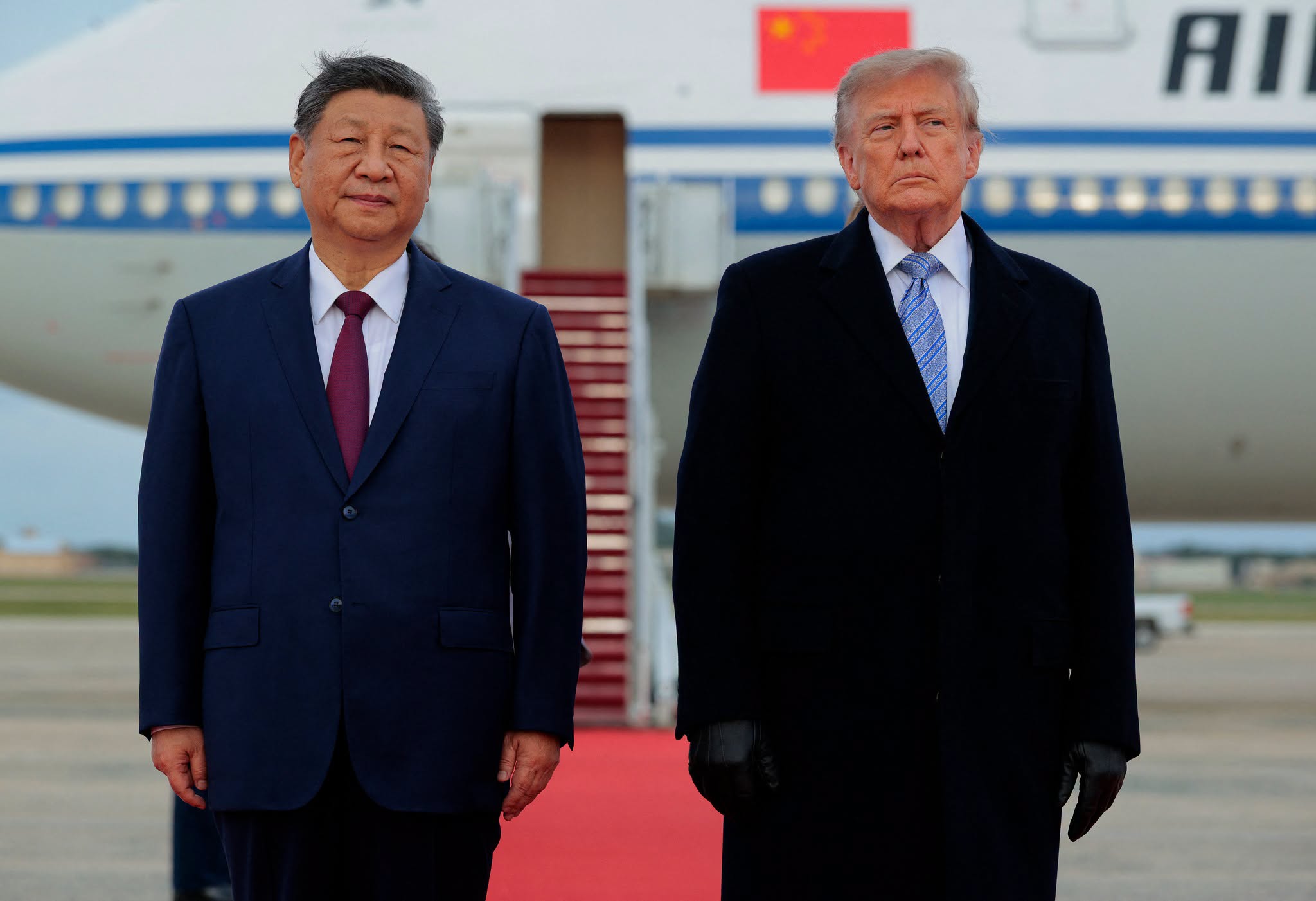
During his visit to Scotland, U.S. President Donald Trump signed the deal on Sunday at Turnberry with European Commission President Ursula von der Leyen.
According to the agreement, the U.S. will now impose a 15% import tariff on European goods—half of what Trump had earlier threatened. Previously, he had warned the EU of a 30% tariff.
International news agency Reuters reported that the agreement on the 15% tariff was reached after an hour-long discussion at Trump’s private golf course.
Trump stated that this agreement marks a new phase in U.S.-EU trade relations. He claimed that under the deal, the EU plans to purchase around $750 billion worth of energy and hundreds of billions worth of weapons from the U.S.
European Commission President Ursula von der Leyen described Trump as a tough negotiator and said that the 15% tariff was better than what the EU had anticipated.
However, she noted that some sectors were granted exemptions. Tariff exemptions apply to aircraft and parts, certain chemicals, select agricultural products, pharmaceuticals, semiconductor devices, and raw materials.
The agreement is expected to particularly benefit German companies. Firms like Airbus, Mercedes, and VW had previously been heavily impacted by the Trump administration’s 27.5% import tax on vehicles and auto parts. German Chancellor Friedrich Merz welcomed the trade deal between the EU and the United States.
However, Bernd Lange, Chair of the European Parliament’s Trade Committee, criticized the agreement, calling it unbalanced. He warned that the deal would require significant investment commitments within the United States, which could have economic repercussions for Europe itself.
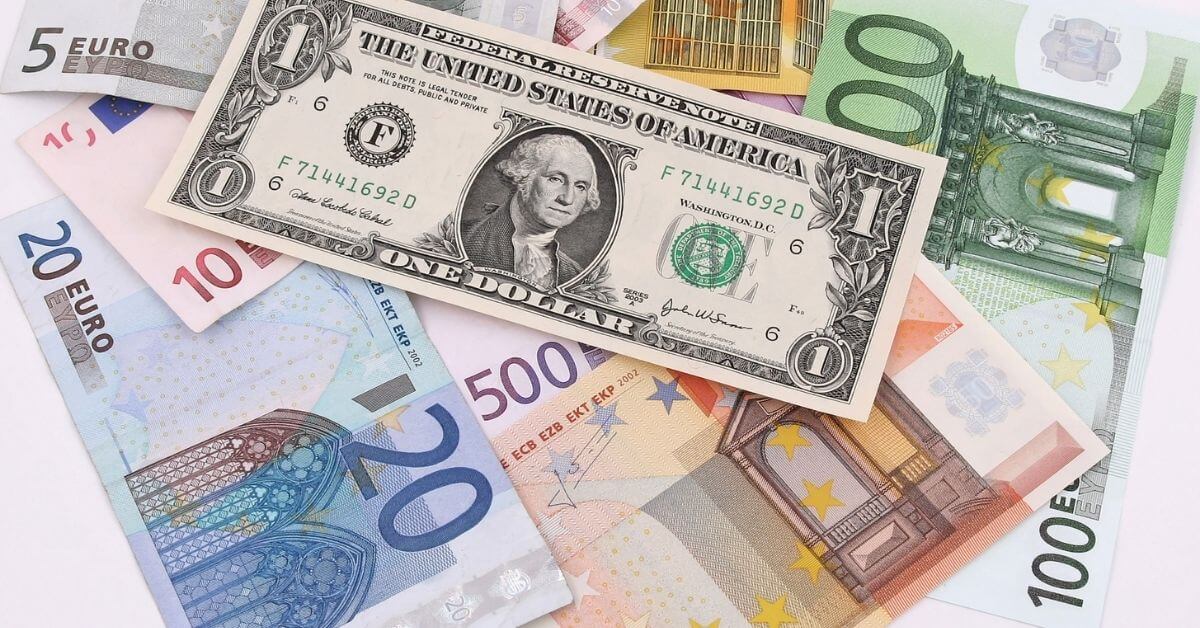
Following the announcement of the agreement, the euro rose by 0.2% against the U.S. dollar, British pound, and Japanese yen.
Trump hailed it as his “biggest deal ever.”
Just a few days earlier, he had also signed a $550 billion trade agreement with Japan. However, analysts have described the EU deal as merely a “political understanding” and warned that without being transformed into a clear legal framework, confusion and disputes are likely to persist.