Kathmandu, 25 April: Prime Minister Balen Shah has pledged that the current government will manage the landless squatters living along riverbanks. At a time when the government is facing strong criticism after security forces directed squatters occupying riverbanks to vacate the area by Sunday, the Prime Minister made this commitment on Thursday.
He also stated that the government is internally preparing to provide a permanent solution to the problem of squatters.
Writing a long post on social media Facebook on Friday, Prime Minister Balen said, “We have not forgotten the promises I made as a candidate in Jhapa before the election, the commitments mentioned in the manifesto of the Rastriya Swatantra Party as a senior leader, and the ‘100 tasks the government must accomplish’ as Prime Minister (Point 91 on managing squatters and Point 92 on preventing encroachment of public land). We are making internal preparations to fulfill those promises.”
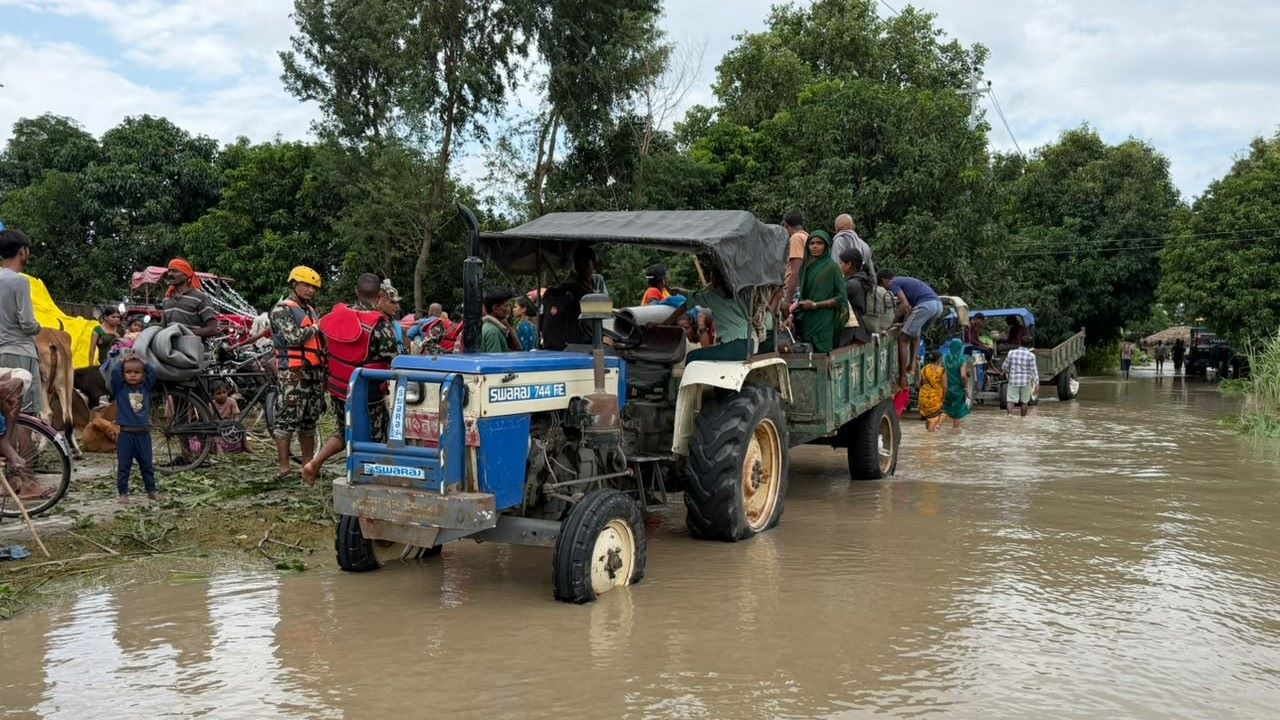
Stating that the squatter problem has remained unresolved for years, Balen also mentioned that every year, floods have forced thousands of people living along the rivers in Kathmandu to flee, often losing their belongings. He said, “Do you remember or have you forgotten how every year floods force thousands of people living along riverbanks in Kathmandu to run for their lives, leaving behind all their possessions, and the government has to rescue them?”
He emphasized that this long-standing issue should no longer be postponed for future years. Reiterating that squatters must be provided with safe housing, he questioned, “Should we continue waiting for a major disaster to happen? Is it right to keep playing politics with the lives of squatters, leaving them in the same vulnerable condition for votes and rights? Should they be properly resettled, or kept in uncertainty for years as before?”
He added, “As citizens, do they have the right to live in unmanaged, flood-prone areas, or in safer places? Certainly, safe resettlement is their right.”
Prime Minister Balen also pointed out that such settlements along rivers and streams have obstructed the construction of proper drainage systems, making the Kathmandu Valley polluted and foul-smelling. He said that relocating these settlements would help improve the drainage system, adding, “For these reasons, people living in risky conditions along riverbanks in areas such as Thapathali, Gairigaun, and Manohara are being relocated safely, without the use of force and with respect for humanitarian concerns.”
He noted that apart from riverbank settlements in Kathmandu, there are thousands of families who are genuinely affected, and millions of landless people across the country, with different kinds of problems. Committing to distinguish between encroachers and genuine squatters during his tenure, he said, “We will distribute land to genuine landless people across the country through proper procedures as soon as possible. This government will provide a permanent solution to this decades-old problem. Please be assured.”
Detailed action plan prepared
The government has prepared a detailed action plan to address the issue of settlements encroaching on riverbanks, public spaces, barren land, and both government and private land in the Kathmandu Valley.
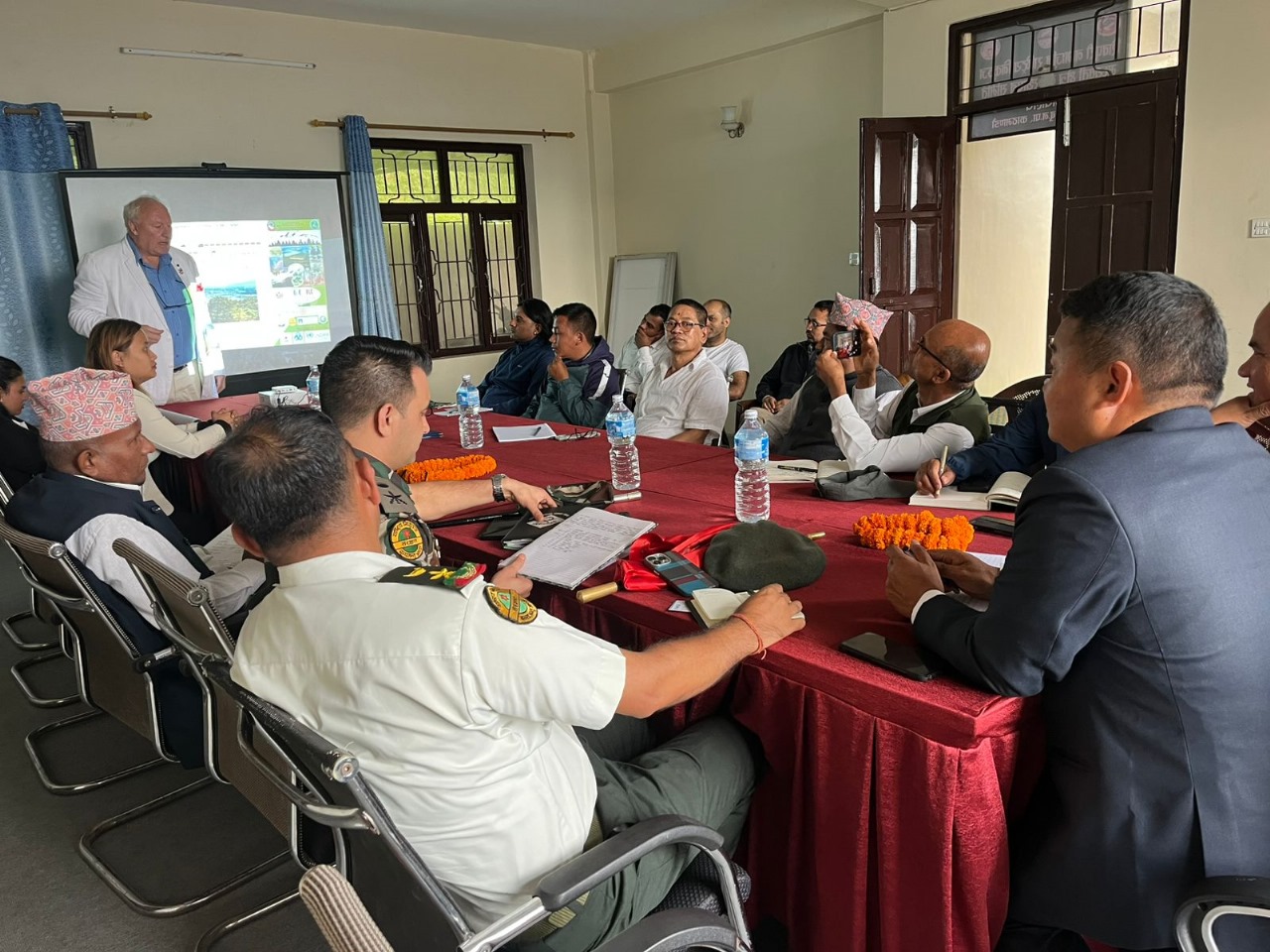
A meeting held at the ministry on Friday under the chairmanship of Minister for Physical Infrastructure and Transport and Urban Development, Sunil Lamsal, along with concerned stakeholders, decided to prepare an 11-point action plan, according to his personal secretary Nirmal Gyawali.
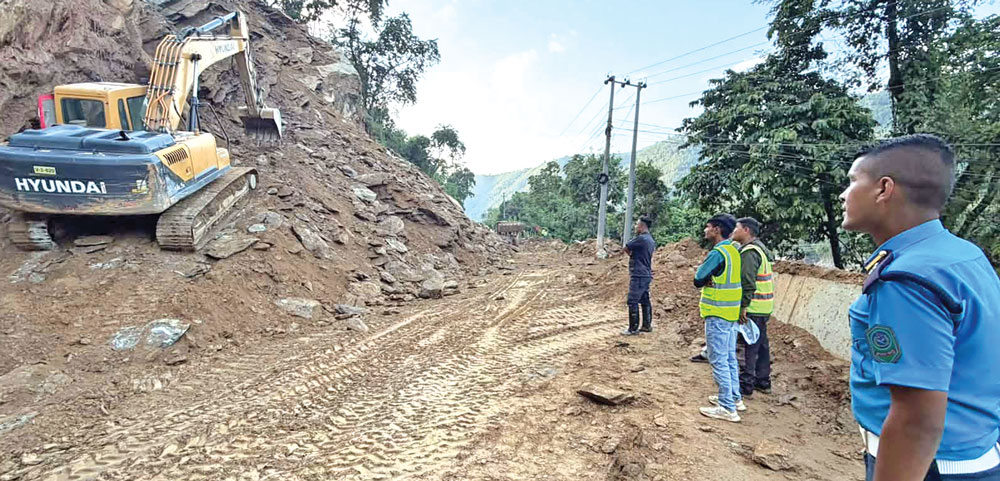
The plan includes conducting awareness campaigns as per notices issued by the District Administration Office, Kathmandu, encouraging people to vacate the areas before demolishing structures, and making immediate arrangements for necessary machinery and equipment to remove and demolish the settlements.
It was also decided that during the evacuation process, priority would be given to rescuing vulnerable groups such as the disabled, children, pregnant women, new mothers, elderly people, and those with chronic illnesses, ensuring their safe transfer to designated shelters or hospitals. The Ministry of Health and Population will arrange ambulances and medical teams for this purpose.
After relocating people to initial holding areas, Kathmandu Metropolitan City will manage food, snacks, and water, while the Ministry of Health will provide medical teams. Once the settlements are cleared, the Ministry of Physical Infrastructure and the Ministry of Urban Development will immediately begin removing debris, opening tracks, and preparing necessary infrastructure.
Committee formed
A seven-member committee has been formed under the coordination of the Minister for Urban Development to implement decisions related to solving the squatter issue. Members include the Mayor of Kathmandu Metropolitan City, secretaries of the Ministry of Home Affairs, Ministry of Health and Population, Ministry of Urban Development, Ministry of Land Management, Cooperatives and Poverty Alleviation, and a secretary from the Office of the Prime Minister and Council of Ministers.
Management within 15 days
The government has become active in resolving the long-term issue of landless squatters living along riverbanks and other high-risk areas across the country, including the Kathmandu Valley. Relevant authorities have jointly initiated the process of relocation and rehabilitation to safer areas.
In the first phase, settlements along rivers such as Bagmati, Bishnumati, and Tukucha will be identified and managed within 15 days. Coordination among the Ministry of Urban Development, security agencies, local administration, and local governments has been intensified.
The District Administration Office, Kathmandu, issued a public notice on Friday directing riverbank settlements to be vacated by 7 PM the same day.
Assistant Chief District Officer and spokesperson Muktiram Rijal stated that people have been requested to remove houses and structures built on public and government land. He said, “We have clearly stated that if the settlements are not vacated within the given deadline, structures will be removed jointly, and the concerned individuals will bear responsibility for any damages.”
The local administration has urged residents to move their belongings and domestic animals to safe locations. It has also advised that security forces can assist in prioritizing the relocation of vulnerable groups such as persons with disabilities, children, pregnant women, new mothers, and senior citizens.
From Saturday morning, a campaign will be launched to remove encroached structures in areas such as Sinamangal, Shankhamul, and Thapathali. Authorities have warned that any obstruction during the operation will result in strict legal action.
Displaced families will initially be kept in locations where basic facilities are available, followed by data collection and verification of genuine landless individuals.
The government plans to identify genuine squatters within the next 10 to 15 days and arrange their long-term settlement.
Meanwhile, Nepal Police has appealed for support in the squatter management campaign, warning that some vested groups are trying to misuse the situation for undue benefits. It has urged citizens to remain cautious, noting that such activities could deprive genuine landless people of the services and facilities provided by the state.