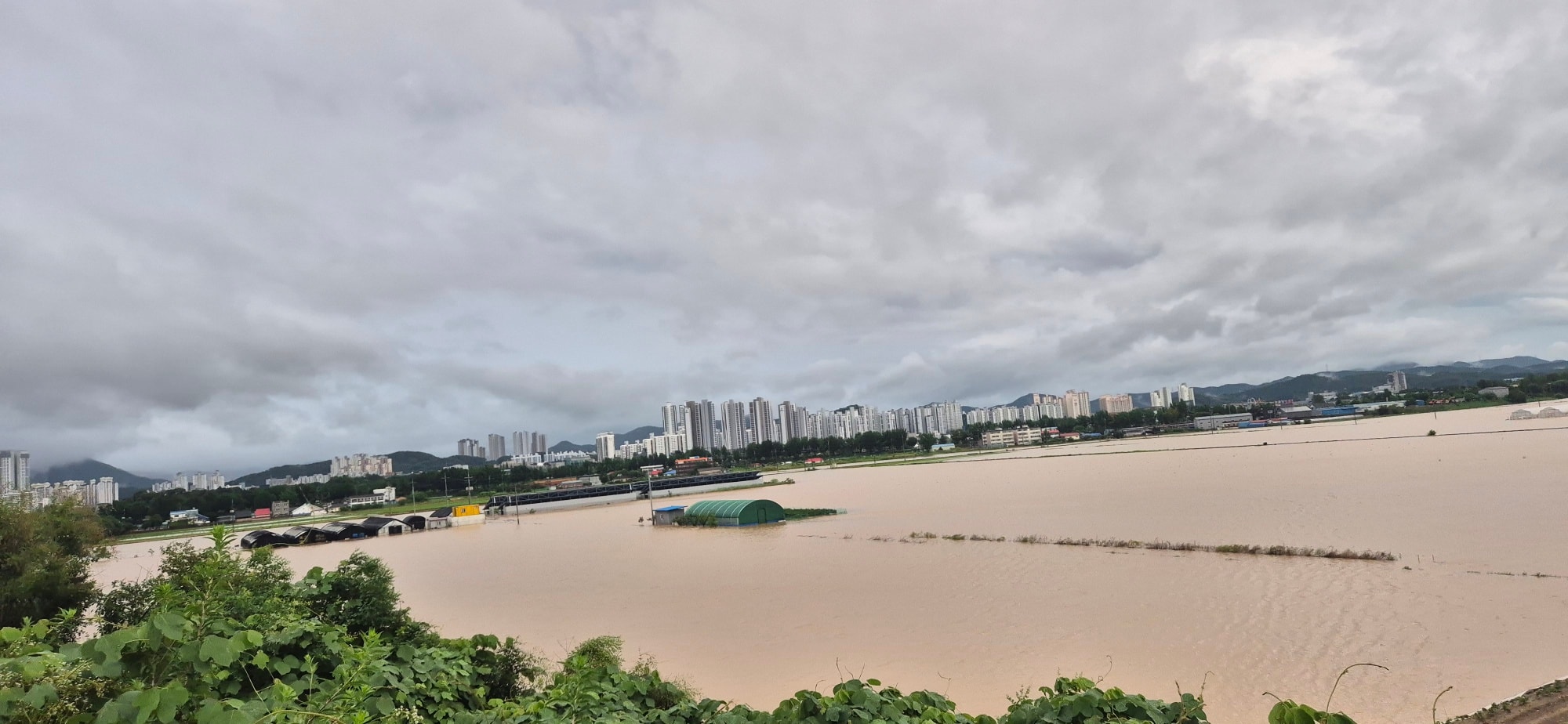
Some parts of South Korea experienced torrential rainfall on Thursday. According to the country’s weather agency, one area recorded the highest hourly rainfall since official records began in 1904.
Monsoon rains are typical in South Korea during July, but official weather data shows that three areas in South Chungcheong Province experienced record-breaking rainfall this week.
“In the western Seosan region, rainfall reached 114.9 millimeters (4.5 inches) per hour — a level usually seen only once in a hundred years,” said an official from the weather agency. “This is the highest rate since records began in 1904.”
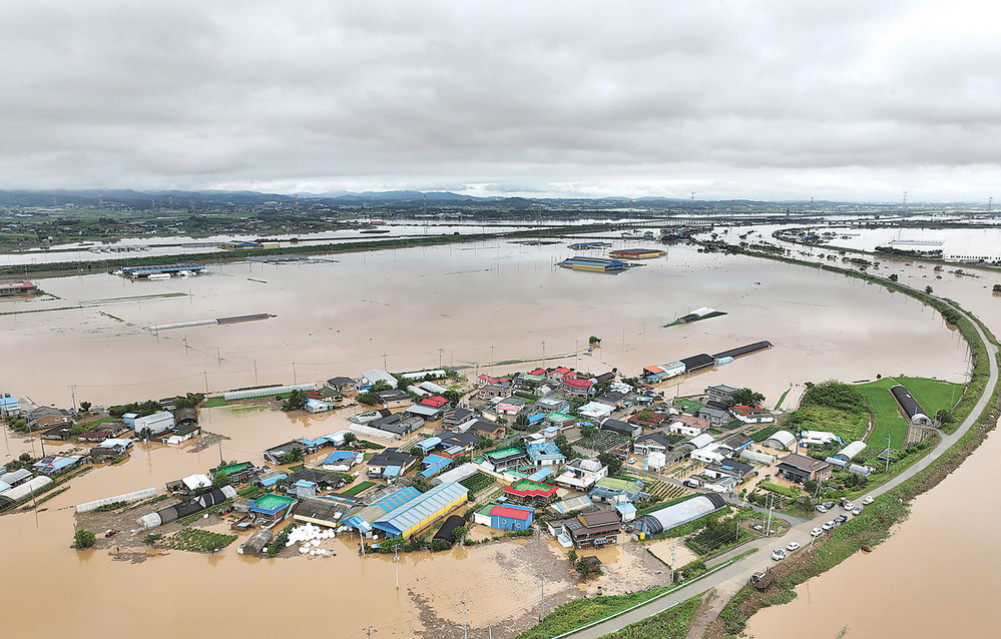
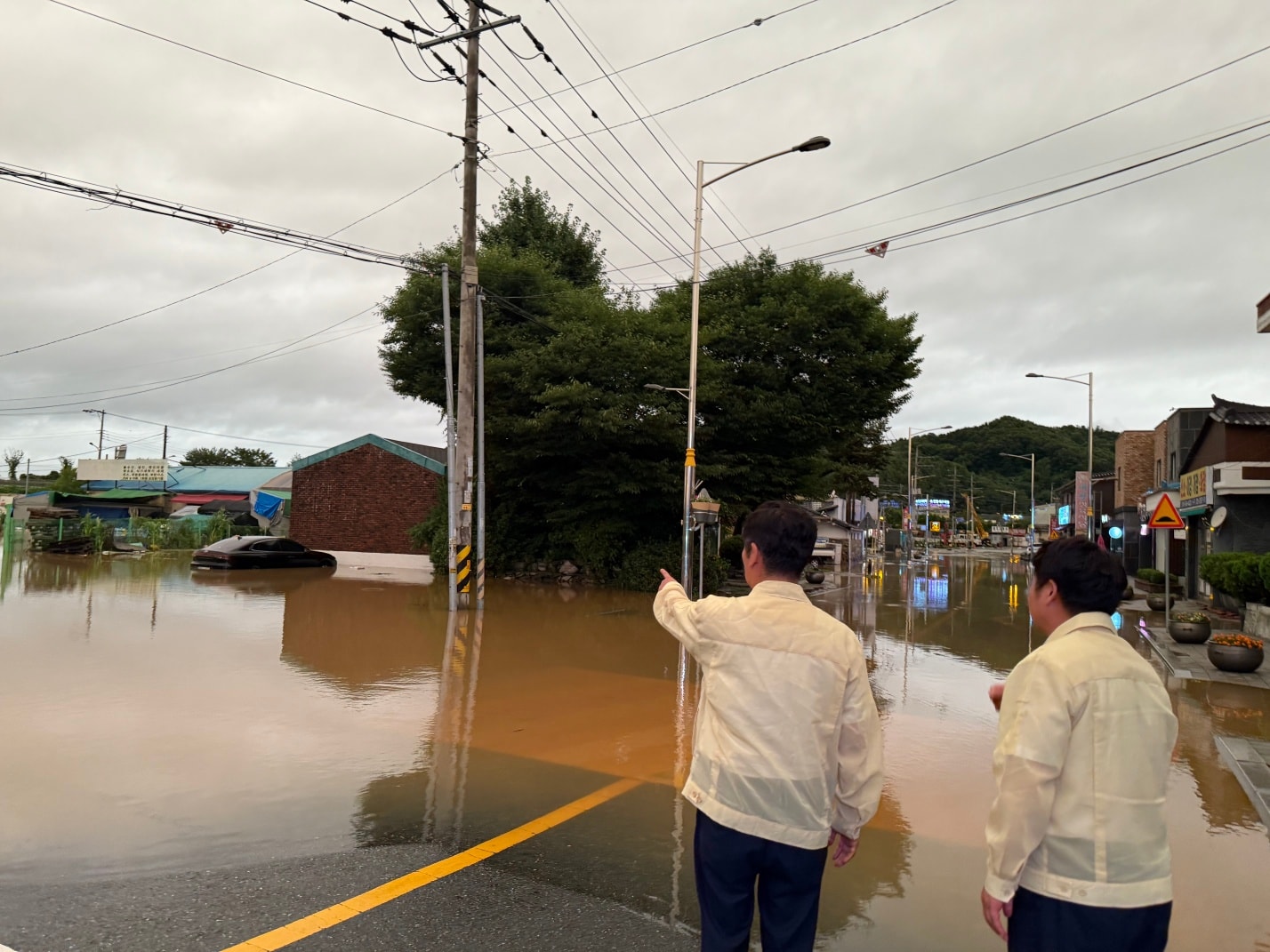
According to the official, the heavy rainfall was caused by warm and humid air flowing along the edge of the North Pacific high-pressure system, which triggered strong atmospheric instability. South Korean broadcasters showed footage from Seosan of flooded markets, apartment complexes, and submerged parked vehicles.
In Hongseong County, also located in South Chungcheong Province, residents were ordered to evacuate to safety Thursday morning due to flooding in a nearby river. Many schools and nurseries in the county were also closed.
In Osan, a city about 50 kilometers (31 miles) south of the capital Seoul, one driver was killed after a 10-meter (33-foot) retaining wall collapsed onto the road from an overpass.
Two people were rescued after a landslide in Chungcheong Province. South Korea regularly experiences flooding during the summer monsoon season but is generally well-prepared, resulting in a relatively low number of deaths.
According to scientists, climate change has made weather events around the world more extreme and frequent. South Korea also faced record-breaking rainfall and flooding in 2022, which caused at least 11 deaths.
Among them, three people died trapped in a basement apartment in Seoul. This apartment gained international fame due to the Oscar-winning Korean film Parasite. Blaming climate change for extreme weather, the government said Seoul experienced its heaviest rainfall since records began.