Kathmandu, 9 March: The judicial commission formed to investigate the Gen Z protest that took place on Bhadra 23 and 24 has submitted its report to the government on Sunday. The report was handed over to Prime Minister Sushila Karki by the commission’s chairperson Gauri Bahadur Karki during a program held at the Office of the Prime Minister and Council of Ministers.
Receiving the report, Prime Minister Karki said that she and the Home Minister would study it and then present it to the Cabinet for implementation. “You have worked very hard, and for that I thank you,” she said. “Initially we had set a certain timeframe, but due to limited resources it was not sufficient. Later we had to extend the time.”
She added that the commission members were appointed after carefully considering their expertise and competence in the fields of justice, law, and investigation. “You are renowned in your respective fields, and I believe that reputation will be reflected in the report. I am confident that you have clearly distinguished truth from falsehood,” she said.
The Prime Minister also clarified that the government would study and discuss the report before moving forward with the implementation process. She promised that although all documents in the report might not be made public immediately, at least the main conclusions would be disclosed.
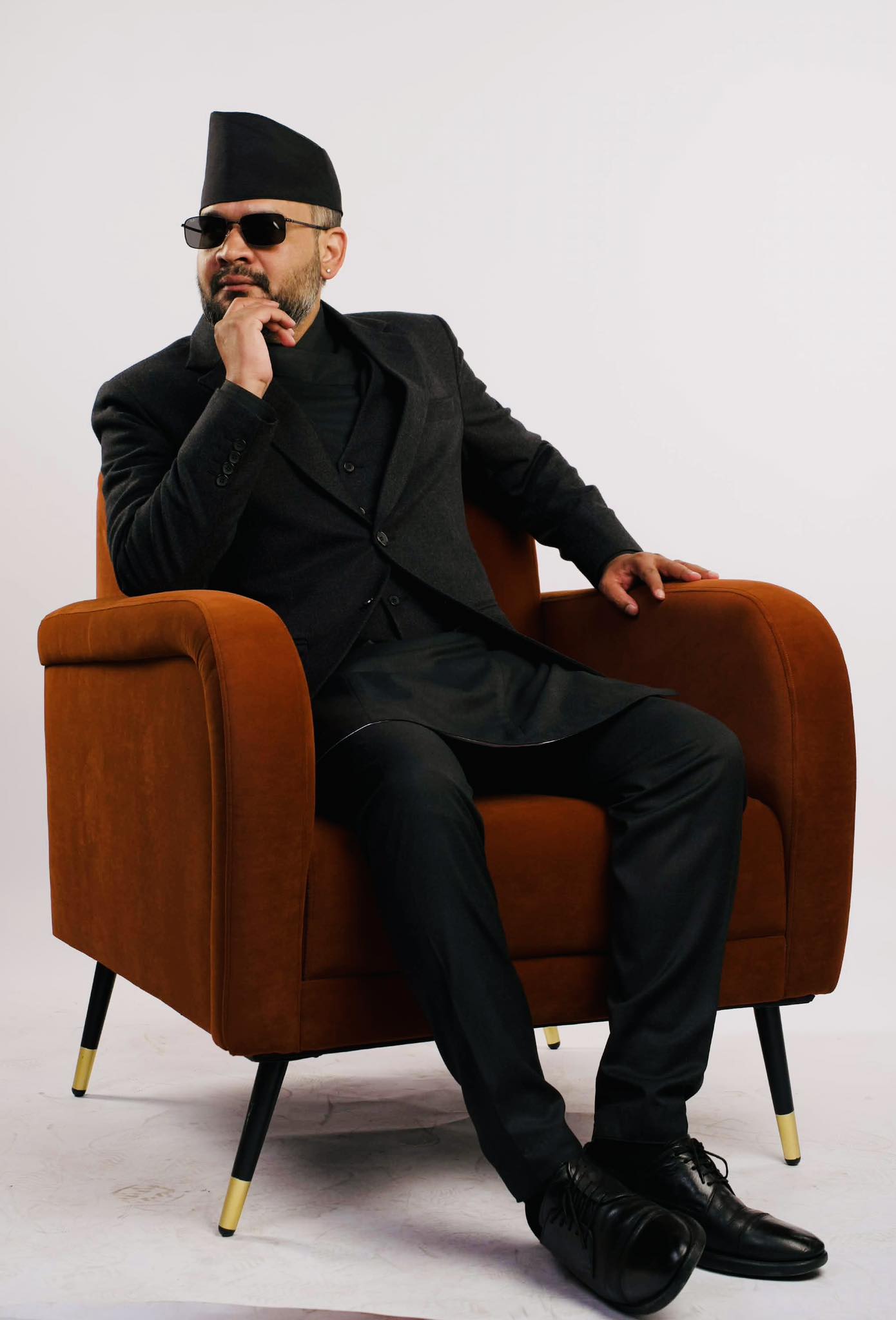
Speaking at the same event, commission chairperson Gauri Bahadur Karki said the team carried out its work honestly and without prejudice, and that everything observed during the investigation had been included in the report. He also said the report contains recommendations aimed at preventing such incidents in the future.
Similarly, commission member Bigyan Raj Sharma said that the report was only an investigative document and that the relevant authorities would now have to carry out further investigation and take action. Another member of the commission, Bishweshwar Bhandari, commented that if the recommendations mentioned in the report for good governance were implemented, the country’s situation could change significantly.
Recommendation to take action against those responsible for the killings
After submitting the report to the Prime Minister, commission chairperson Gauri Bahadur Karki told journalists that recommendations had been made against those who fired the bullets, those who ordered the firing, and those who failed to stop it.
“The government asked us to investigate and examine the incident under the Commission of Inquiry Act,” he said. “Regarding the incident of Bhadra 23, we have identified who was responsible and recommended what kind of action should be taken.”
He added, “We conducted a thorough investigation into the circumstances that led to the deaths of teenagers. We have recommended that those responsible for the killings be punished according to the law. Those who fired the bullets, those who ordered the firing, and those who failed to stop it are all included in the recommendations. Whoever was responsible has been recommended for legal action.”
When asked whether the commission had recommended action against the then Prime Minister and Home Minister, he responded indirectly, stating that action had been recommended against those found responsible.
“We worked for the country and its people. Since the work was done for the nation, we feel satisfied and have no regrets,” he said.
He also mentioned that the commission had initially planned to submit the report before the election but delayed it due to the possibility that it might influence election results and because the work had not yet been completed. He expressed confidence that the report would be implemented, warning that another protest could emerge if it was ignored.
Statements taken from 200 people: Sharma
Commission member Bigyan Raj Sharma told journalists that the commission closely examined the events of Bhadra 23 and 24. He said the report is more than 900 pages long and includes statements from over 200 individuals.
“We have presented recommendations for action and reform based on what we saw, understood, and verified through evidence,” he said. “Now the report belongs to the government, and the remaining work will be carried out by the government.”
He added that those who made mistakes have been recommended for punishment, while those who performed well have been recommended for rewards. However, he said it was not possible to disclose how many people would face action or who they were, as the matter now falls within the government’s jurisdiction.
Sharma also noted that the investigation found several security lapses, including weaknesses in the security arrangements from the barricades at the entrance of the Parliament building premises.
The government had formed the commission on Ashoj 5, led by Gauri Bahadur Karki, with former AIG Bigyan Raj Sharma and legal expert Bishweshwar Prasad Bhandari as members. After several deadline extensions, the commission submitted its report five months later.