The ongoing U.S. naval blockade against Iran is showing signs of lasting for months, triggering major volatility in the global oil market. President Donald Trump has stated that intensifying pressure on Iran is more effective than bombing, pushing oil prices to their highest levels in four years.
Tensions have escalated further as diplomatic efforts between Iran and the United States remain stalled. In this context, Trump held a phone conversation with Russian President Vladimir Putin, who reportedly warned that renewed military escalation by the U.S. and Israel against Iran would lead to “harmful consequences.”
During a meeting with oil industry officials, Trump described the blockade of Iranian ports as a decisive step. Tehran, however, is demanding the lifting of the blockade before any agreement can be reached. According to U.S. Central Command (CENTCOM), 42 commercial vessels attempting to breach the blockade have been turned back, preventing approximately 69 million barrels of oil—worth around $6 billion—from reaching the market.
The conflict is also impacting domestic U.S. politics. With the war proving unpopular among voters, political pressure is mounting on Trump to bring it to an end. Rising oil prices have increased costs for American consumers, while U.S. allies are also feeling the strain.
A White House official stated that the Trump administration is discussing measures to maintain balance in global oil supply and is prepared to sustain the blockade for an extended period if necessary. Trump has also hinted at taking even tougher actions against Iran in the coming days.
Meanwhile, global crude oil prices continue to rise. U.S. benchmark Brent crude reached as high as $122.53 before stabilizing around $120, while West Texas Intermediate is trading at approximately $108 per barrel.
Iran has signaled possible retaliation through the strategic Strait of Hormuz, a route that carries about one-fifth of the world’s oil supply. Any disruption there could have serious consequences for the global economy.
Differences have also emerged among European allies. Germany has refused to directly support military action against Iran or contribute to peacekeeping forces, prompting Trump to warn of reducing U.S. troop levels stationed in Germany. German leadership continues to advocate for a diplomatic solution.
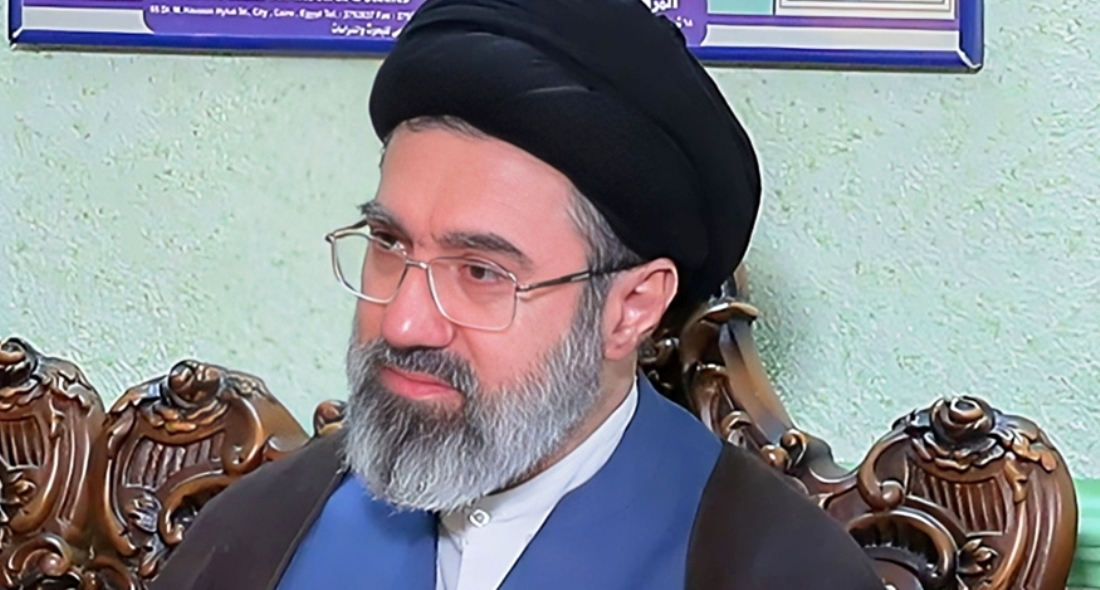
Efforts by U.S. officials to engage Iran in dialogue have been hampered by uncertainty over Iran’s internal power structure. Following Israeli strikes, disruptions within Iran’s top leadership have created confusion in the decision-making process.
The humanitarian impact of the conflict is also worsening. The United Nations Development Programme (UNDP) has warned that the war and rising fertilizer prices could push more than 30 million people in 160 countries into poverty. The agency’s chief described the situation as a sign of “development in reverse.”
Inside Iran, the economic crisis is deepening. The national currency, the rial, has fallen to a historic low against the U.S. dollar. Residents in Tehran complain that past negotiations have failed to improve living standards, with conditions worsening after each round of talks.
Iran has proposed easing its control over the Strait of Hormuz if the U.S. lifts the blockade, but Washington has expressed distrust toward the offer.
Regional tensions remain high. Ongoing clashes between Israel and Iran-backed groups have fueled violence in Lebanon. Despite an extended ceasefire, Israeli strikes continue. Recent attacks have reportedly injured Lebanese soldiers and killed one individual.
Lebanon’s president has stressed that dialogue is the only path to lasting peace and called for full implementation of the ceasefire. However, continued violence is deepening the humanitarian crisis, with more than 1.2 million people at risk of hunger.