Kathmandu, 15 Oct: On Saturday, the seventh day of Bada Dashain, devotees are worshipping Goddess Kalaratri, the seventh manifestation of Goddess Navadurga, while Phulpati is being ceremonially brought into homes across the country in accordance with traditional rituals. On the occasion, the Nepal Army will organise a special Phulpati parade ceremony at Tundikhel, the military parade ground in Kathmandu, the federal capital.
Phulpati, brought into homes on the seventh day of Bada Dashain, is a collection of nine types of sacred plants or shoots, also known as Navapatrika. According to religious tradition, the nine plants represent different goddesses: banana represents Brahmayani, pomegranate represents Raktadantika, rice stalks represent Lakshmi, turmeric represents Durga, Manabriksha represents Chamunda, sugarcane represents Kalika, Bel leaves represent Shiva, Ashoka represents Shokarahita, and Jayanti represents Kartiki.
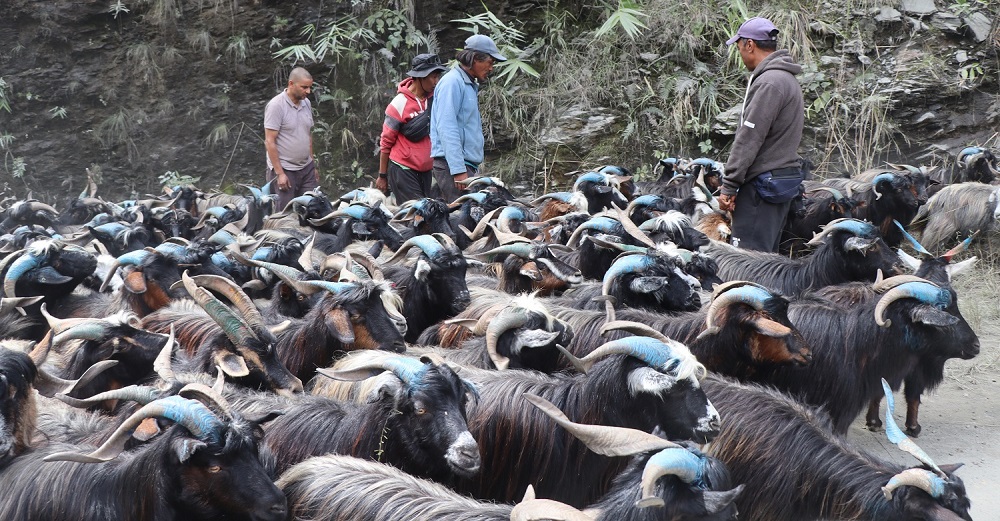
Since historical times, a distinctive tradition has been maintained of bringing Phulpati from the Dashain Ghar at Gorkha Durbar to the Hanuman Dhoka Palace in Kathmandu. Six members of the Magar community, accompanied by a priest, carry Phulpati on foot from Gorkha to Jivanpur in Dhading. From Jivanpur, six Brahmins from Kathmandu transport the sacred offerings to Jamal in the capital.
Upon reaching Jamal, Phulpati is ceremonially escorted to the Dashain Ghar at Hanuman Dhoka amid great celebration. The procession includes senior civil service officials, the Nepal Army’s Gurju Paltan, military bands, traditional Panche Baja music, and cultural performances.
Special Worship of Goddess Kalaratri
On the day of Phulpati, devotees also perform special prayers and rituals dedicated to Goddess Kalaratri. Although she represents a destructive and fearsome form, she is also known as Shubankari because she is believed to always bless her devotees with auspicious results.
During the worship of Goddess Kalaratri, devotees recite the following traditional Sanskrit mantra in her praise:
“Ekaveni Japakarnapura Nagna Kharasthita, Lamboshthi Karnikakarni Tailabhyakta Sharirini. Vamapadollasallohalatakantakabhushana, Vardhanamurdhadhwaja Krishna Kalaratri Bhayankari.”
According to Hindu mythology, Goddess Durga assumed the form of Kalaratri to destroy the powerful demon Raktabija.
After performing severe penance, Raktabija had received an extraordinary boon from Lord Brahma. According to the boon, whenever even a single drop of blood from his body fell to the ground, another equally powerful demon identical to him would immediately emerge from it.
This boon made Raktabija almost impossible to defeat on the battlefield. Every time he was wounded, numerous new demons emerged from his blood, increasingly overpowering the gods.
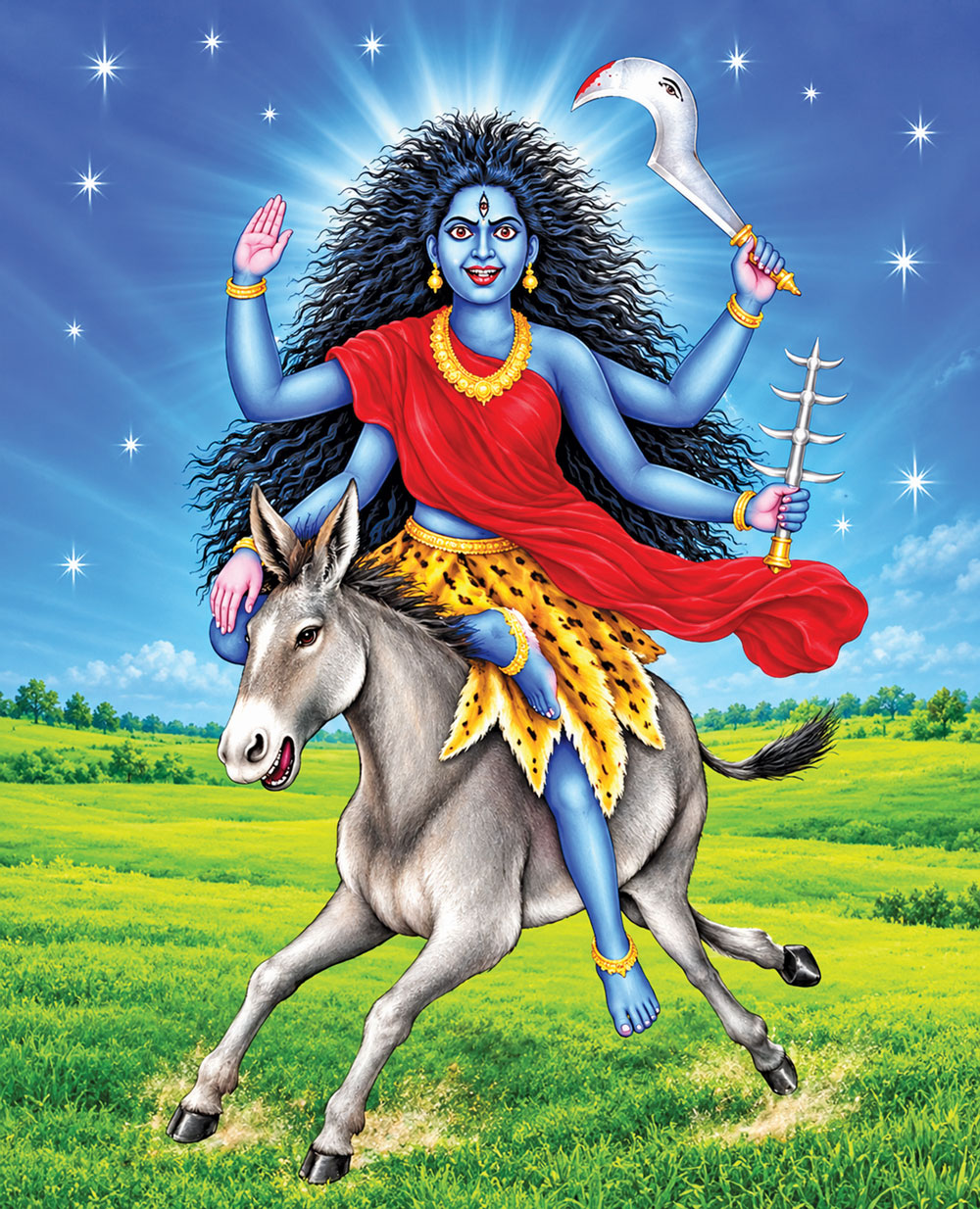
When the demon’s atrocities became unbearable, Goddess Durga manifested Kalaratri from her divine energy and fury. The goddess had an extremely terrifying appearance, with a dark complexion, three eyes, and a donkey as her mount.
During the battle, Goddess Kalaratri killed Raktabija and drank the blood flowing from his body before it could fall to the ground. As no blood reached the earth, Raktabija’s lineage was destroyed, freeing the gods from the demon’s terror.
According to religious belief, Goddess Kalaratri established righteousness and peace in the world by destroying evil forces. Therefore, devotees believe that worshipping her can help free them from fear, disease, and negative energies.