Kathmandu, 3 Jul: Kathmandu Metropolitan City has held discussions with principals of schools that have failed to achieve expected results in the Secondary Education Examination (SEE) over the past three years, and where more than 50 percent of students received non-graded results this year.
In the 2081 SEE, a total of 4,056 students from 58 community schools within the metropolis took part in the exam. Among them, 956 students received non-graded results and are required to retake the exam.
Despite this outcome, 789 students among the passers scored a GPA between 3.61 and 4. Among them, 17 students achieved a perfect GPA of 4. Last year, 545 students had scored between 3.61 and 4 GPA.
Compared to last year, 244 more students achieved higher GPAs this year. This improvement is attributed to better academic quality in schools, the development of diligent study habits among students, increased engagement of teachers in teaching, and initiatives taken by the metropolitan city such as running schools during holidays and setting up special monitoring classrooms to improve results.
A total of 1,148 students scored between 3.21 and 3.6 GPA. Similarly, 890 students achieved a GPA between 2.81 and 3.2, 257 students scored between 2.41 and 2.8, and 16 students obtained a GPA between 2.01 and 2.4.
Last year, the number of students in each GPA category was: 1,050 in the 3.21–3.6 range, 1,080 in the 2.81–3.2 range, 395 in the 2.41–2.8 range, and 16 in the 2.01–2.4 range. Compared to that, the number of students achieving higher GPAs is increasing, while the number in the lower GPA ranges appears to be declining. In light of these results, Kathmandu Metropolitan City held discussions with school principals with the aim of further improving performance.
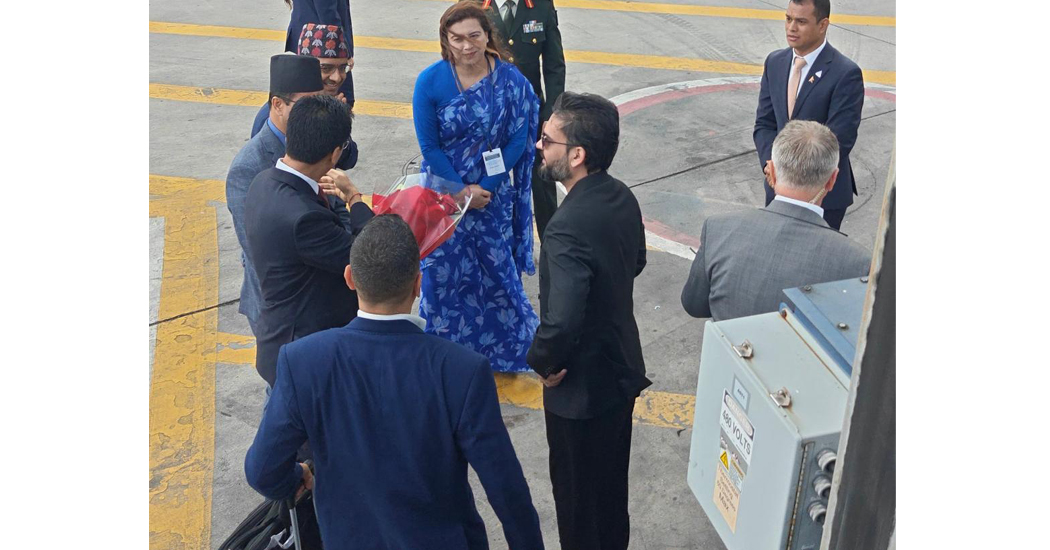
During the discussion, Kathmandu Metropolitan City Deputy Mayor Sunita Dangol emphasized the role of school principals as skilled administrators in community schools and as lead teachers who can foster child-friendly environments and provide solutions to various challenges. “There are challenges, which is why we are seeking strong leadership,” she said. “If all stakeholders come together and work with a unified vision, we can find solutions to all problems. Let’s use the next month to teach the non-graded students and work toward improving results. After that, we can analyze the problems, assess the skills and capacities, and develop further programs.”
Education Officer Keshav Gyawali pointed out several reasons for poor performance in SEE: lack of good relationships between principals and teachers, or between teachers and students; unsupportive home environments; students being involved in labor work; and lack of parental supervision. These, he said, were major factors behind some students’ poor results.

The principals participating in the discussion committed to running extra classes over the next month, encouraging students in their studies, and making strong efforts to improve performance. They acknowledged that poor results among some students are due to shared responsibility between schools, parents, and the students themselves.
They also pointed out other reasons: “Some hardworking students also received non-graded results. Some took the exam but were marked absent. Many come from homes filled with daily conflict, making it difficult to concentrate on studies. Some parents are not responsible, so students do not listen to anyone. In some cases, children are engaged in labor and are forced to take on parental responsibilities, which makes studying difficult. Some students don’t respect or listen to their parents, treating them like strangers.”
Another major issue, they noted, is the lack of parental engagement. “When we call parents to school for academic discussions, many don’t come. Students who go home for lunch don’t return, leading to absenteeism. There is a shortage of subject teachers. Positions exist, but the teachers are not appointed. The school environment is not always favorable, so students often pick up bad habits,” said the principals.
They further added, “The metropolitan city should conduct regular monitoring. Leadership and capacity development of principals and teachers is essential.”
They also shared experiences of irresponsible parenting: “Some parents say, ‘Don’t talk to me about my child. I don’t even care to come to school. My child wants a black belt in karate — it doesn’t matter if they fail the SEE.’”
“Our schools don’t select students. We admit all students our capacity can handle. That’s why community schools require diverse programs,” they concluded.