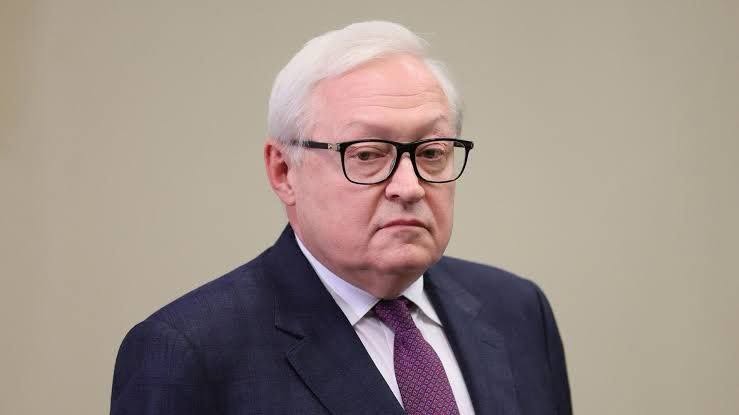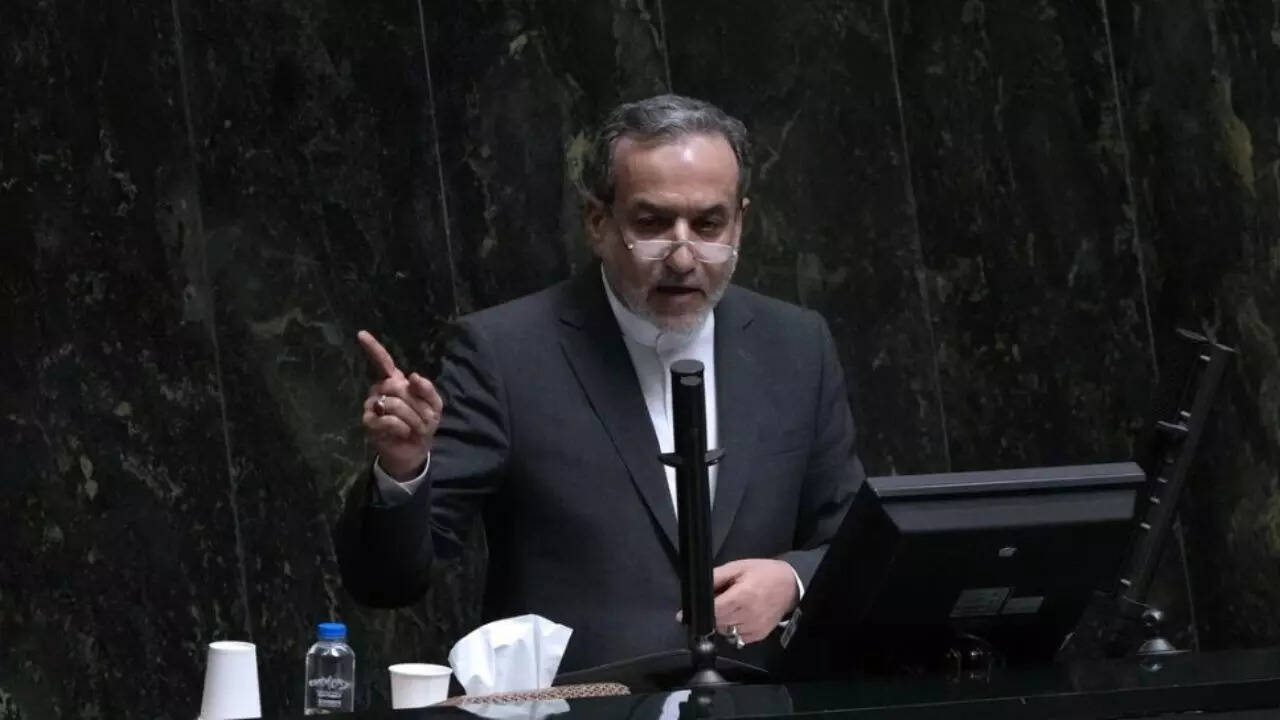
As US President Donald Trump has said he wants direct talks with Iran, Iranian Foreign Minister Abbas Araghchi on Sunday dismissed the possibility of direct talks with the US as “meaningless”.
Trump last month called on Tehran to negotiate with Washington over its nuclear program. He has threatened to attack Iran if diplomacy fails. On Thursday, US President Trump said he wanted to hold “direct talks” with Iran. “I think it would be faster than going through intermediaries,” he said.
“Direct talks with a party that continues to threaten the use of force in violation of the UN Charter and expresses contradictory positions from its various officials would be “meaningless”, Araghchi said on Sunday. “We are committed to diplomacy and are ready to use the path of indirect talks,” the Foreign Ministry said in a statement.
“Iran remains ready for all possible actions or events, and just as it is serious about diplomacy and negotiations, it will be decisive and serious in defending its national interests and sovereignty,” Araghchi said.
On Saturday, Iranian President Masoud Peshmerga said his country was willing to hold talks with the United States on an equal footing. He also questioned Washington’s sincerity in calling for talks, saying, “If you want talks, what is the point of threatening?”

Nuclear program
Western countries, led by the United States, have accused Tehran of seeking nuclear weapons for decades. Iran denies the accusations, saying its nuclear activities are for civilian purposes only. The head of the Islamic Revolutionary Guard Corps, Hossein Salami, said on Saturday that the country was “ready” for war.
“We have no fear of war, but we will not be the initiators of war, but we are ready for any war,” he said, quoted by Iran’s state-run IRNA news agency. In 2015, Iran reached a historic deal with the United States, France, China, Russia and the United Kingdom, permanent members of the United Nations Security Council, as well as Germany, to regulate its nuclear activities.
The 2015 deal, formally known as the Joint Comprehensive Plan of Action (JCPOA), provided Iran with relief from other economic sanctions in exchange for curbs on its nuclear program to ensure Tehran could not develop nuclear weapons. The United States withdrew from the deal in 2018 during Trump’s first term and reimposed tough sanctions on Iran.
A year later, Iran began to backtrack on its commitments under the deal and accelerated its nuclear program. Ali Larijani, a close advisor to Iran’s Supreme Leader Ayatollah Ali Khamenei, has warned that even if Iran does not seek nuclear weapons, it has no choice but to use them if attacked.