Gulf Arab countries did not initially call on the United States to launch military action against Iran. However, as tensions have escalated, many leaders in the region are now signaling that any intervention should go far enough to eliminate Iran’s ability to threaten vital oil routes and the economies that rely on them. According to multiple sources in the Gulf, there is growing concern that a limited operation could leave Iran capable of continuing its regional influence and military pressure.
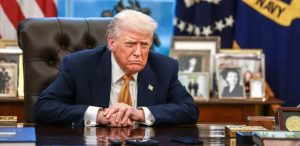
At the same time, several diplomats and regional insiders indicate that Washington has been encouraging Gulf nations to openly support the ongoing US-Israeli military campaign. Donald Trump, the US President, is believed to be seeking visible regional backing to strengthen both international legitimacy and domestic support for the operation.
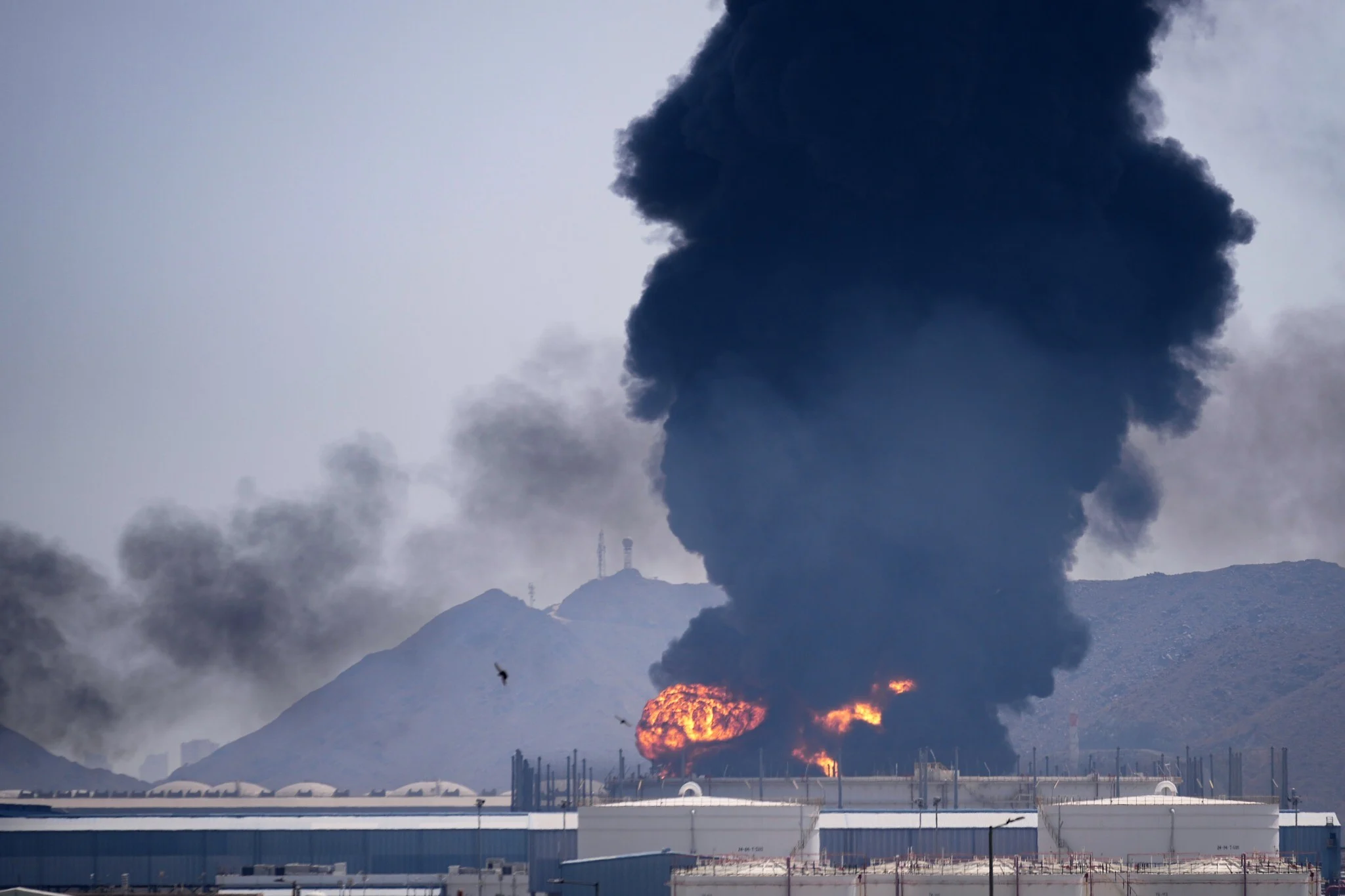
Security concerns across the Gulf have intensified following a series of attacks attributed to Iran. These include strikes on airports, oil facilities, and key infrastructure, as well as disruptions to maritime traffic in the Strait of Hormuz, a critical route for global oil transport. Such actions have raised alarms about the vulnerability of the region’s energy supply and economic stability.
Regional analysts, including Abdulaziz Sager of the Gulf Research Center, suggest that attitudes have shifted significantly. While Gulf states once preferred diplomatic restraint, continued attacks have hardened positions, with some now viewing Iran as a direct threat rather than a rival.
As the conflict enters a prolonged phase, the prevailing view among several Gulf leaders is that Iran’s military capabilities must be significantly weakened. Many fear that anything short of this could result in ongoing instability and repeated threats to critical infrastructure. For them, the stakes are not only about security but also the long-term stability of global energy markets.
The impact of Iran’s attacks this month extends far beyond physical destruction. In addition to disrupting oil supplies, the strikes have shaken the carefully built image of stability and security that Gulf countries have relied on to attract trade, investment, and tourism. This perception of safety has been central to their long-term strategy of diversifying their economies and reducing dependence on fossil fuel revenues.
Analysts say the psychological and economic consequences could be just as significant as the direct damage. A decline in investor confidence or a slowdown in tourism could undermine years of economic reform efforts across the region.
“If the Americans withdraw before completing the mission, we will be left to face Iran alone,” said Abdulaziz Sager, highlighting growing concerns among Gulf leaders about the risks of an incomplete military campaign.