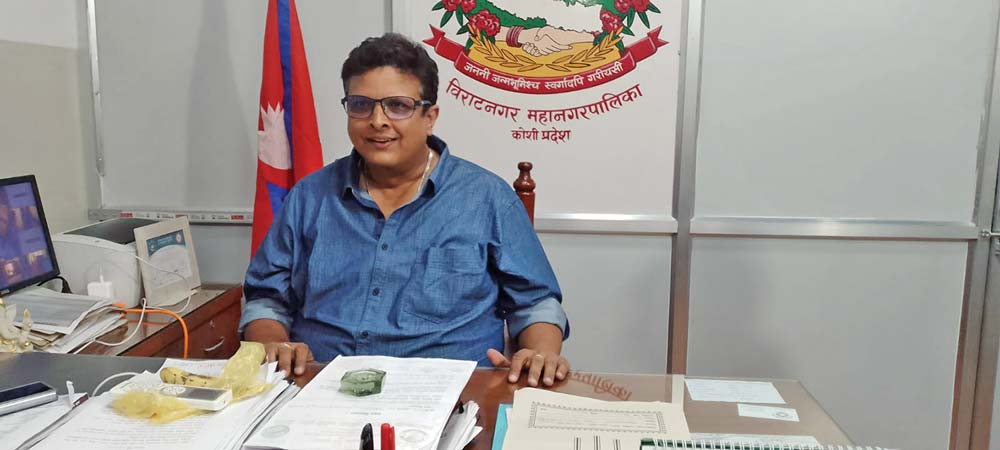
Biratnagar, Asar 7: When Nagesh Koirala, the Mayor of Biratnagar Metropolitan City, set out for Israel, he never imagined that the visit would turn into a terrifying experience of war. His trip to study advancements in the agricultural sector became an unforgettable story marked by the tragedy of conflict.
Mayor Koirala landed in Tel Aviv at 10:30 PM on Jestha 26. The first three days of his visit went by normally. The day after his arrival, he participated in a study program. The following day, the team he led visited a flower-producing garden and a Baháʼí temple. He described the garden and the temple as incredibly beautiful and peaceful.
Recalling the events, Koirala said, “Until the day before, life there was completely normal. Everyone was cheerful, joking, and enjoying themselves. But on the fourth day, the war between Iran and Israel broke out. The sky was filled with missiles. As soon as the war began, all of our study and tour programs were canceled.”
He had traveled as the sole representative from Nepal, accompanied by two members of parliament from the Philippines and 15 mayors and deputy mayors. Once the war began, the daily lives of all 18 members of his group were completely disrupted.
He said, “During our stay, we had to take shelter in bunkers nearly 80 times. After installing an app called ‘Home Front Command’ on our phones, we started receiving real-time alerts about incoming missiles. From the moment a missile was launched toward Israel, we’d get repeated notifications. An alert siren would go off 90 seconds before a missile entered Israeli airspace. After that, rushing to a safe place and returning became our daily routine.”
Koirala shared that he was extremely frightened the first time he had to enter a bunker. As soon as the sirens began to sound, everyone started running, and he too rushed from the third floor down to the ground-level bunker. The reality of war-torn Israel was deeply terrifying for him.
He said, “The missiles came with sounds just like the firecrackers we light during Tihar. Once, there was even a massive explosion near the bunker where I was staying — I felt the powerful shockwave myself. Even now, that incident keeps flashing back in my mind.”
Although he lived in constant fear during his days in the war zone, Koirala said he did not see the same level of fear among the Nepalis living there. He said, “I didn’t find any Nepali working there who wanted to return to Nepal even under the current circumstances. They seem accustomed to the environment, and their trust in the Israeli government and the employment opportunities there make them willing to endure and continue working.”
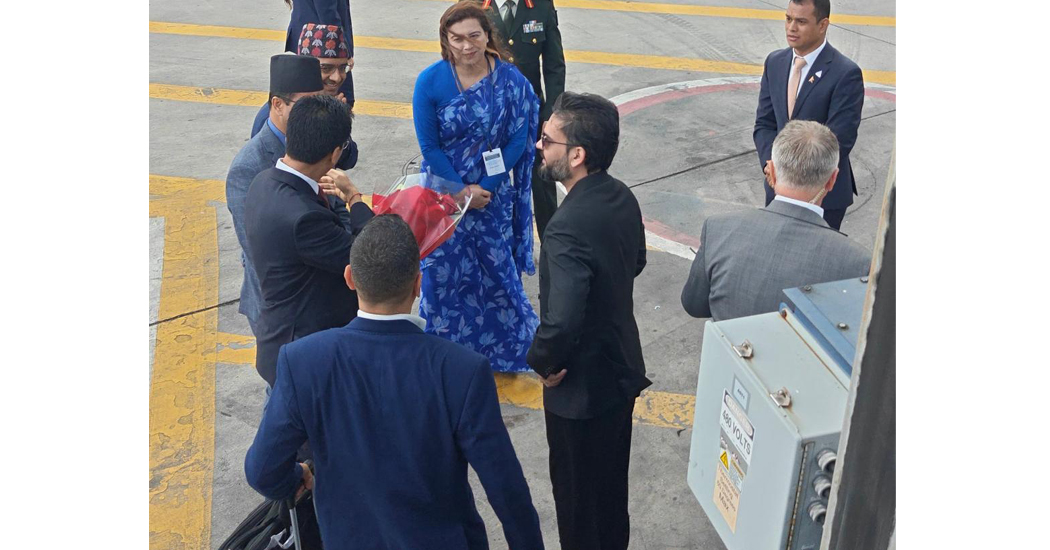
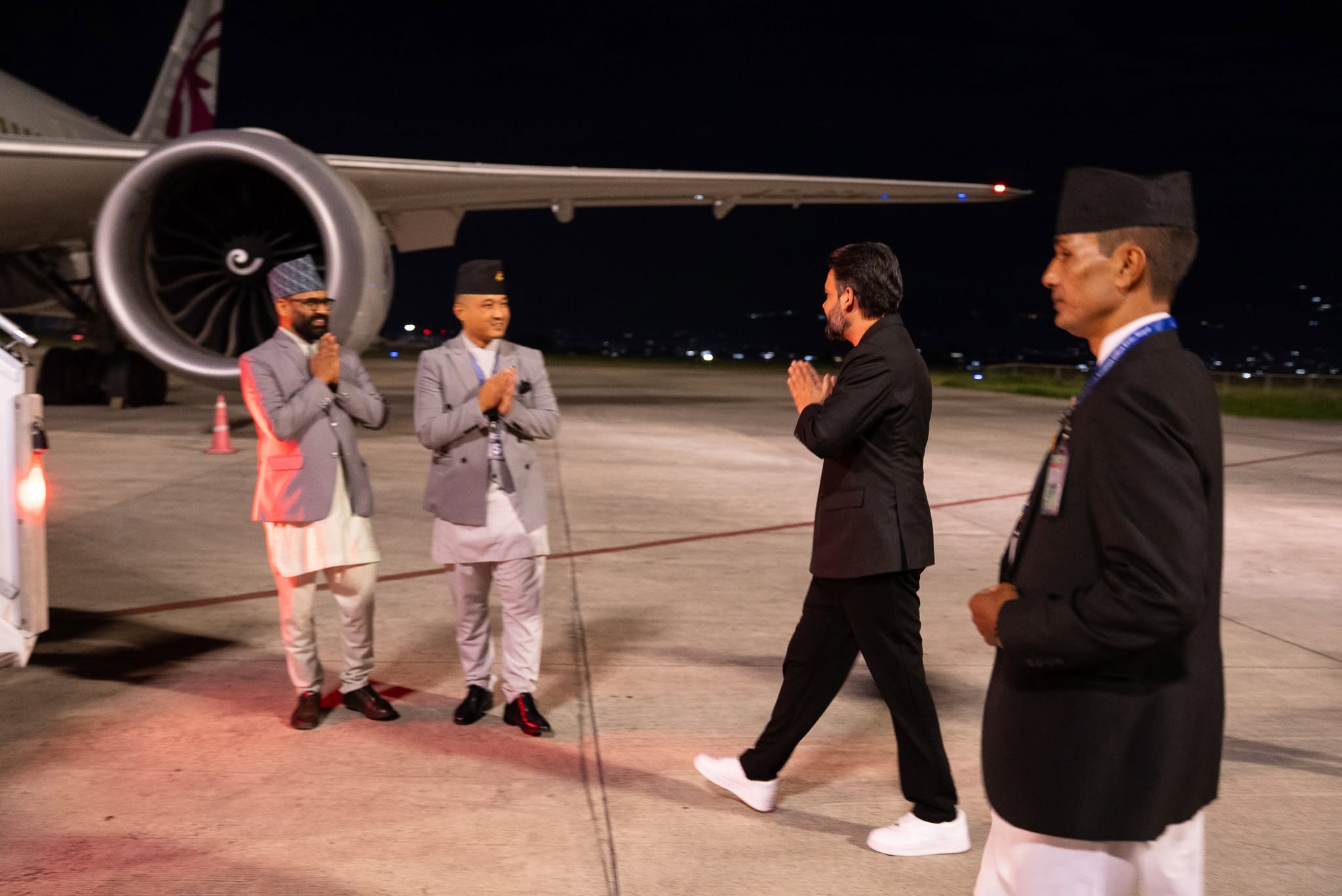
Koirala also shared that Nepal’s Ambassador to Israel, Dhan Prasad Pandit, helped him reach the Jordanian border. Once he crossed into Jordan, he felt a sense of relief and peace. However, he became very emotional upon arriving back in Nepal.
He said, “I cried after reaching Nepal. While I was there, I truly didn’t think I would survive.” Despite the terrifying experience, Koirala expressed his desire to visit Israel again in the future.