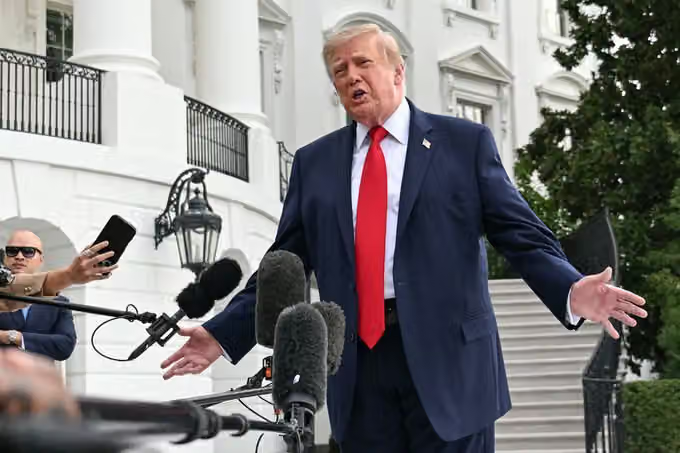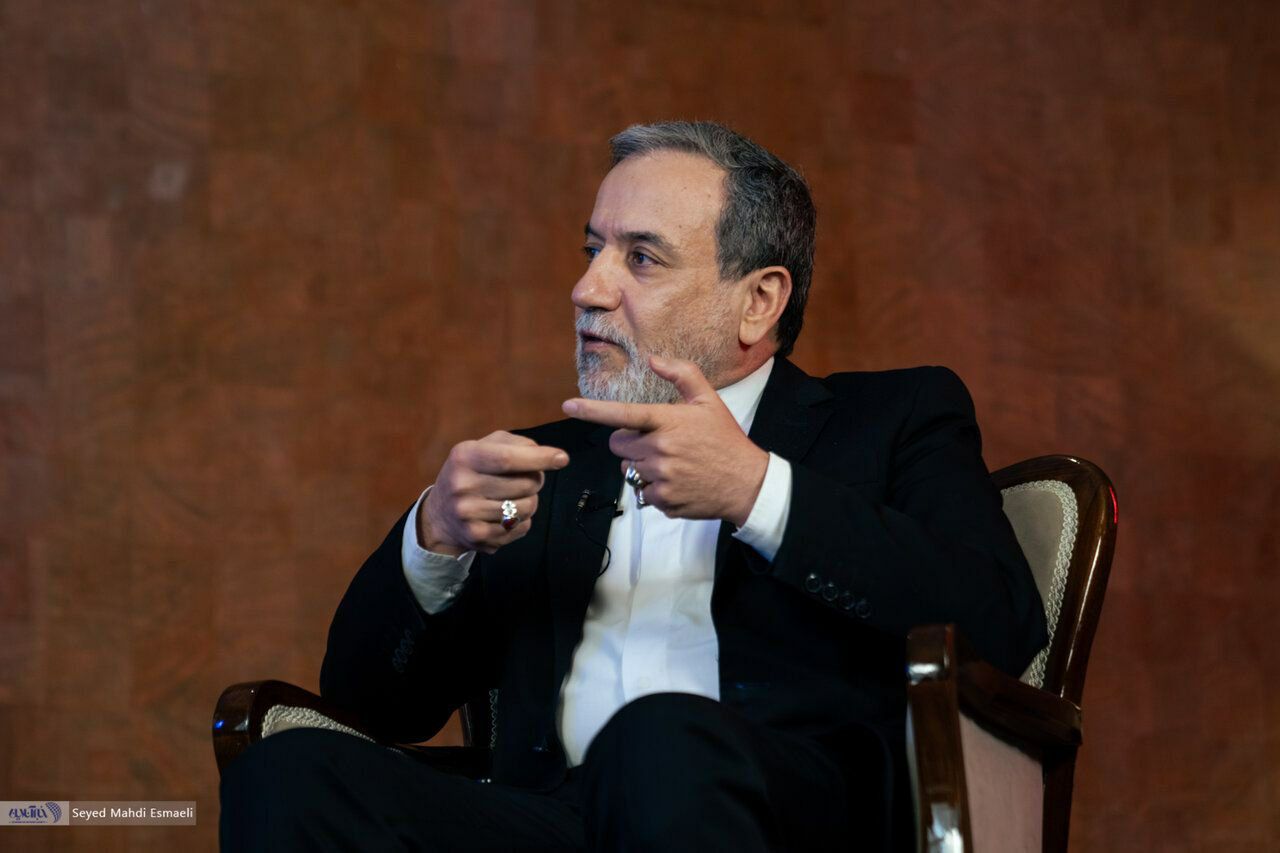
Iran said on Monday it was open to indirect talks with the United States after President Donald Trump demanded talks on a new nuclear deal. “As long as the other side’s attitude towards Iran does not change, the way is open for indirect talks,” Foreign Minister Abbas Araghchi said, ruling out the possibility of direct talks.
According to him, Tehran will not engage in direct talks with Washington under threat and as long as Trump maintains his ‘maximum pressure’ policy. Under that policy, during his first term as president, Trump withdrew the United States from the historic deal on Iran’s nuclear program in 2018 and reimposed sanctions on Tehran.
The 2015 deal between Tehran and Western powers required Iran to limit its nuclear ambitions in exchange for sanctions relief. Western countries, including the United States, have long accused Iran of seeking nuclear weapons, a charge Tehran denies, insisting its enrichment activities are for peaceful purposes only.
On March 7, Trump said he had written a letter to Iran’s Supreme Leader Ayatollah Ali Khamenei calling for nuclear talks and warning of possible military action if Tehran refused. The Iranian news agency Fars reported at the time that Anwar Gargash, an adviser to the president of the United Arab Emirates, delivered the letter to Tehran on March 12.
On Friday, Khamenei said US threats “will get them nowhere” and warned of reciprocal measures against Iran “if they do anything harmful.” On Thursday, Araghchi said Trump’s letter was “very threatening” but could also open up some opportunities. Tehran said it would respond soon.
US Middle East envoy Steven Witkoff said in an interview published on Friday that Trump’s goal is to avoid military conflict by building trust with Iran. He stressed that the letter was not intended as a threat. Tehran and Washington severed diplomatic ties after Iran’s 1979 Islamic Revolution overthrew the Western-backed Shah. Since then, the Swiss embassy in Tehran has facilitated communication between the two countries.
The Gulf state of Oman has also been mediating indirect talks on Iran’s nuclear issue through the so-called “Muscat process,” which Araghchi said in October was “currently on hold.”