Kathmandu, 22 Oct: For decades, Nepalis have repeated the saying, “We even have to import needles from abroad.” But recent years have brought a shift in this mindset—proving that Nepal can also export, not just import. One inspiring example is Govinda Bastola, a farmer from Kalika Municipality–2 in Chitwan, who has been exporting marigold flowers and garlands abroad for the past three years.
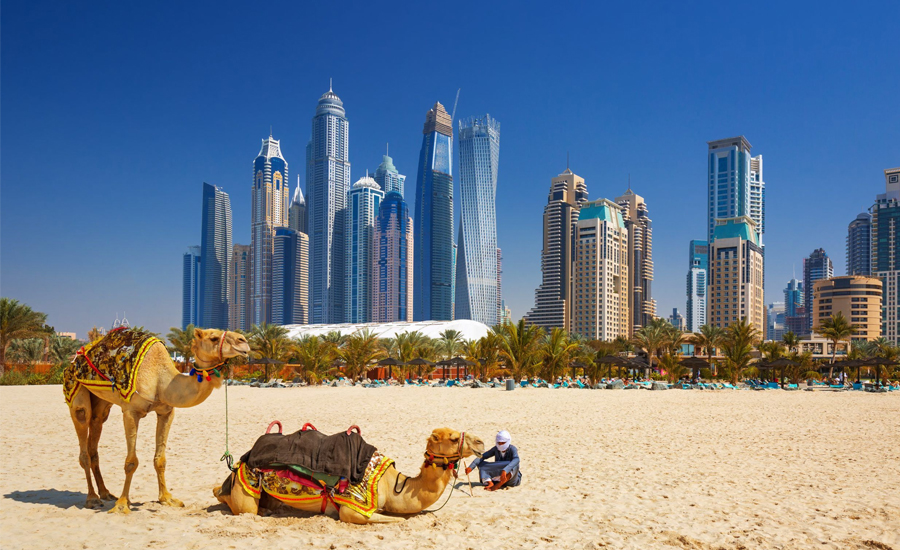
As Nepal celebrates Tihar, homes across the country light up with worships for Goddess Laxmi, and people adorn doors and deities with bright orange marigold garlands. Understanding this deep cultural importance, Bastola sent 300 kilograms of marigold flowers and 1,000 garlands to Hong Kong just before the festival. Likewise, he exported 800 garlands to Dubai this year.
“We take responsibility for delivering flowers to Kathmandu. After that, other business partners handle the export,” says Govinda. “I’ve been exporting for three consecutive years without facing any payment issues.”
Blossoming Business and Local Employment
Bastola started flower farming six years ago, initially on a small scale. Today, his ‘Phoolmala Farm Nepal’ spans five bighas of land. This year alone, he has already sold 15,000 garlands, with another 10,000 worth of marigolds still blooming in his field. Each garland sells for around Rs. 100, while flowers fetch Rs. 400–500 per kilogram. On average, he produces 60,000 garlands annually.
According to him, Nepalis living abroad demand Nepali marigolds during Tihar, which motivates him to continue exports every year. Last year, he shipped flowers and garlands to Hong Kong and Qatar, and this year, Dubai joined the list. Interestingly, he sells his flowers abroad at the same price as within Nepal.
Govinda’s farm runs year-round, employing around 30 local women during the festive season. These women sit in his courtyard all day, weaving garlands at full speed. Each woman earns Rs. 6 per garland, managing to make up to Rs. 1,800–2,000 per day by weaving around 300 garlands daily.
His family—wife, brother, and himself—are all degree holders and work together in the flower business. Govinda, who teaches biostatistics at Chitwan Medical College, spends his mornings at the college and the rest of his time tending to flowers. “Since I started this farm, I’ve never had to look back,” he smiles.
From Lockdown Experiment to a Rs. 5 Million Enterprise
The idea for flower farming came during the COVID-19 lockdown. While teaching at Shanker Dev Campus in Kathmandu, Govinda returned to his village and noticed unused school land nearby. He decided to plant marigolds there, investing just Rs. 30,000—and earned Rs. 60,000 in his first season. Encouraged, he expanded gradually with the help of his brother and wife.
Today, his marigold business has grown into an enterprise with an annual turnover exceeding Rs. 5 million. He produces marigold saplings and seeds, selling about 100,000 saplings a year. Each seed costs up to Rs. 150,000 per kilogram, while saplings sell for Rs. 3 apiece. Though he buys seeds from India, he grows and sells saplings locally.
His farm provides permanent jobs for 20 workers, covering tasks like nursery management, weeding, and spraying vitamins and pesticides. This season alone, he has spent around Rs. 700,000 on production. His five-bigha farm is leased at Rs. 5,000 per kattha per year for five years, with two years still remaining.
To support such farmers, Kalika Municipality provides Rs. 300,000 annually, and last year, the Bagmati Province Government donated a hi-tech greenhouse tunnel worth Rs. 1.5 million to his farm in recognition of his achievements.
Govinda now plans to expand into cut-flower production, aiming to replace imported flowers and make Nepal self-sufficient. “Marigold demand is high, especially in Kathmandu where about 5,000 garlands are used daily,” he says. “If we can grow them year-round, we won’t need Indian imports.”
Indeed, from a simple lockdown idea to a thriving export business, Bastola’s marigold farm has become a model of how Nepal can bloom economically—one flower at a time.