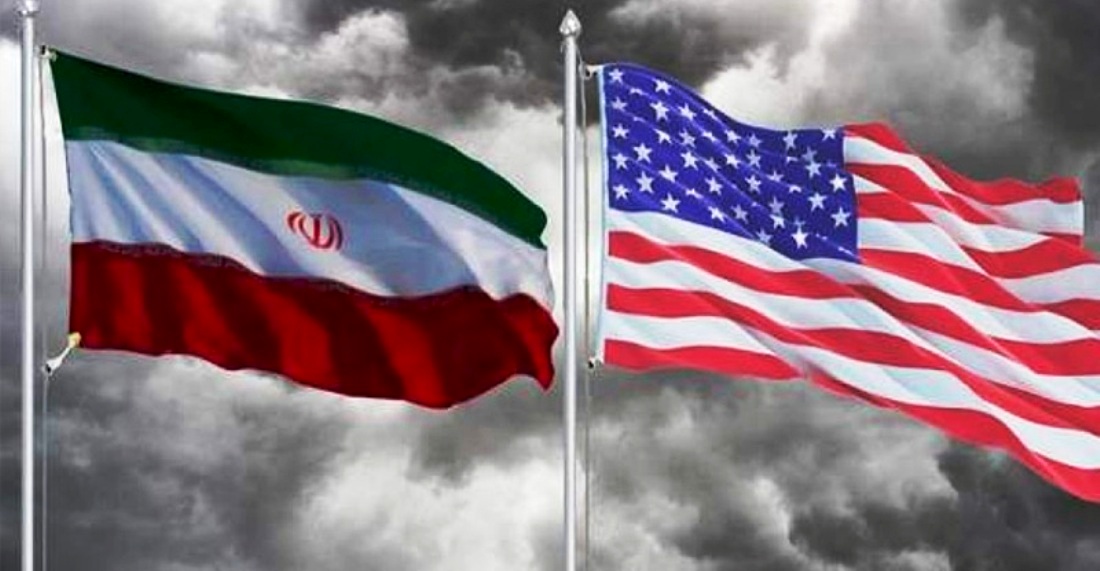
French President Emmanuel Macron has called an emergency meeting of key European Union (EU) nations and British leaders at his grand Elysee Palace on Monday to discuss how to deal with the United States.
The move comes after a week of diplomatic blitzkriegs over Ukraine by the Trump administration, which has seen Trump embrace the Kremlin and treat his former European allies coldly. Despite months of aggressive warnings from US President Donald Trump before his re-election that the EU would eventually start working to strengthen its security and become less dependent on Washington’s military might, EU leaders publicly ignored these ominous signs and hoped that Trump would somehow stand with Europe.
But speeches by Vice President J.D. Vance and Defense Secretary Pete Hegseth during an initial trip to Europe last week questioned both Europe’s security commitment and its fundamental democratic principles. Macron said he felt the system was being shaken by their stinging criticism and threats of non-cooperation in the face of military threats.
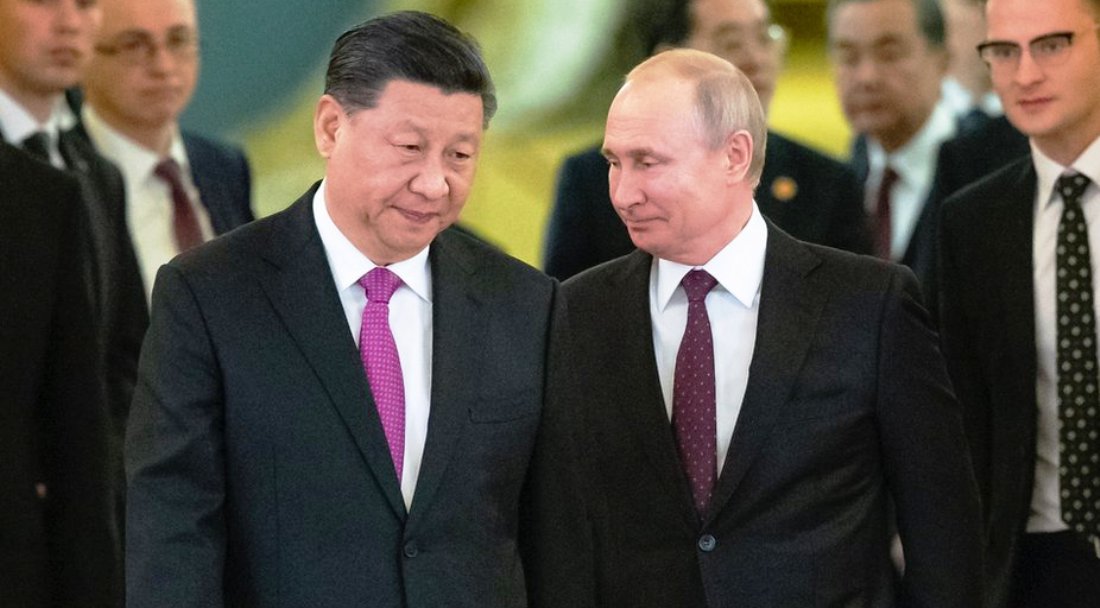
The turning point came after Trump decided to reverse years of US policy by holding talks with Russian President Vladimir Putin in the hope of ending the Russia-Ukraine war. Then on Saturday, Trump’s special envoy for Ukraine and Russia refused to include other Europeans in the Ukraine peace talks.
German Foreign Minister Annalena Baerbock called this week an “existential moment.” “This is a moment where Europe must rise up,” she said. This is where Macron hopes to intervene at Monday’s meeting. While Macron’s foreign minister, Jean-Noël Barrot, tried to downplay the importance of the emergency meeting of Europe’s top leaders, the weekend’s frenzy of efforts to set up the meeting has underscored something more fundamental.
Since World War II, the United States and Western European nations have been fundamentally aligned, from confronting the Soviet Union during the Cold War to confronting Russia’s increasingly aggressive actions near their borders today.
While there have long been American complaints about the reluctance of many European NATO nations to increase their defense efforts, those complaints have never been raised to the political surface as they have in the past few days.
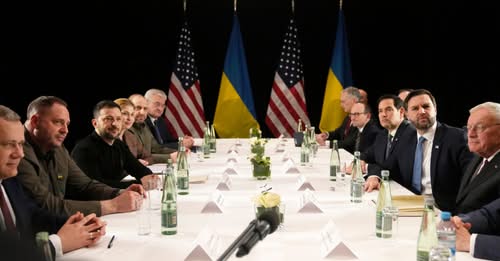
On Monday, Macron will hold afternoon talks with leaders of Germany, Britain, Italy, Poland, Spain, the Netherlands, Denmark and the EU on how to deal with Europe’s security challenges. NATO Secretary-General Mark Rutte will also be present.
According to French officials, no concrete decisions are expected beyond a show of unity from European leaders. “There is a sense of unity in Europe that we have perhaps not felt since the Covid period,” said Barrot, recalling the 2020 pandemic. During the Covid pandemic, the 27 EU countries had to stand together to face the health crisis.
European countries are committed to providing all possible assistance to Ukraine, and EU countries are unanimous in increasing defense spending. Although there is general agreement to go beyond the target of spending two percent of GDP on defense, it is unclear how to reach three percent.
Some EU countries are pushing for joint debt agreements for major defense projects, while others are insisting that it is up to the lagging countries to reach the two percent threshold first. This issue will also be discussed at the meeting.