China has long been concerned that U.S. President Donald Trump uses trade deals with other countries as a weapon against it.
In May, the U.S. and the U.K. reached an agreement that included strict security provisions for steel and pharmaceuticals, which was widely seen as an attempt to exclude China from the British supply chain.
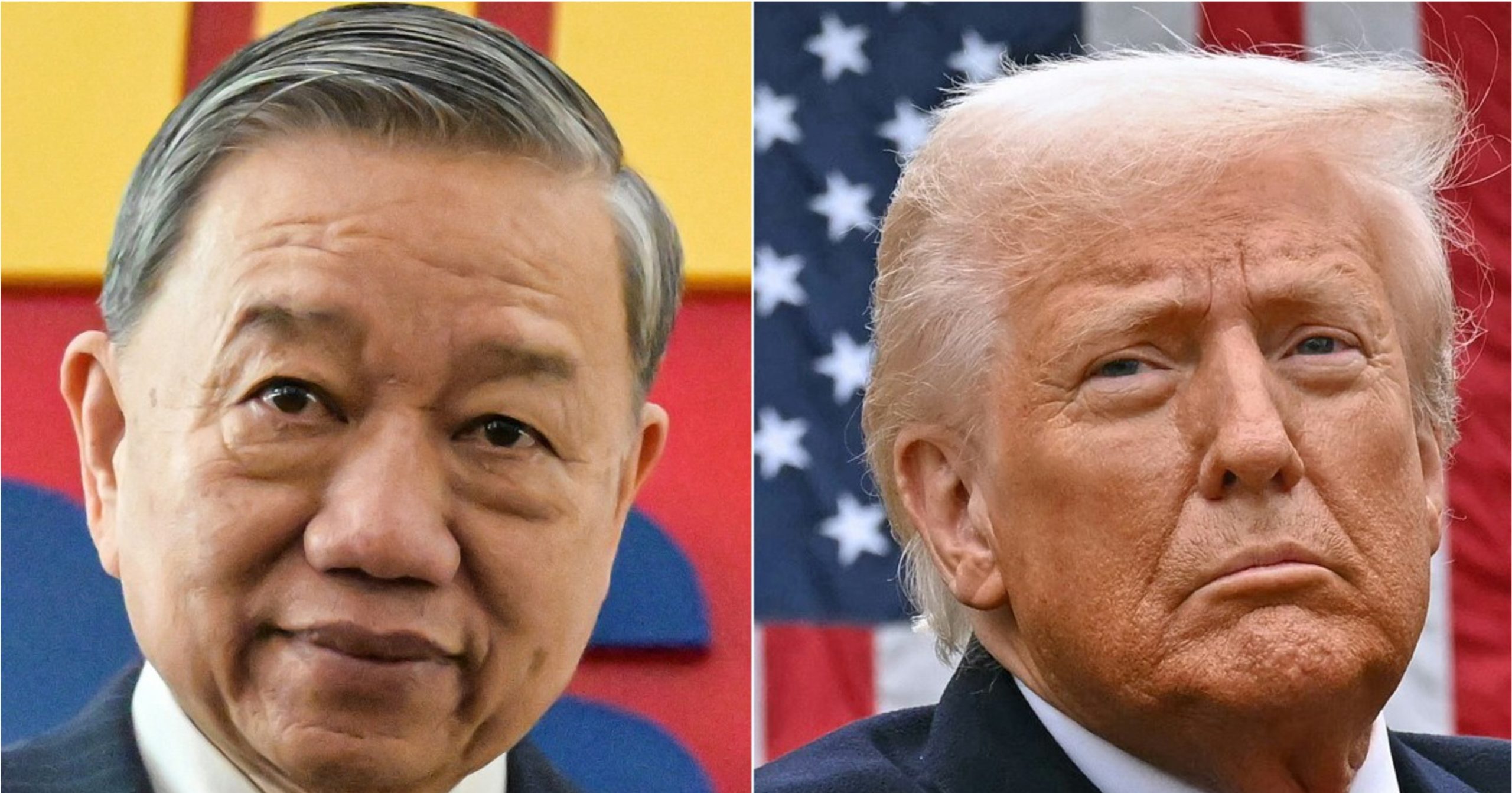
Similarly, China suspects that the trade agreement signed between the U.S. and its neighbor Vietnam includes provisions that could harm China’s interests, prompting its opposition.
According to the Financial Times, China’s Ministry of Commerce stated on Thursday that it is “evaluating” the U.S.-Vietnam trade deal.
“We firmly oppose any agreement made at the expense of China’s interests,” the ministry said. “If such a situation arises, China will take strong retaliatory measures to safeguard its legitimate rights and interests.”
Analysts have been saying that the U.S.-Vietnam agreement is aimed at China.
Since the U.S. has imposed high tariffs on Chinese goods, it appears that the U.S. is trying to prevent the flow of Chinese products into its market via Vietnam.
The United States is also seeking to establish similar trade agreements with other neighboring countries of China.
However, if such agreements include provisions that significantly harm China’s interests, it could affect the ongoing negotiations between the U.S. and China.
On April 2, under the pretext of “Independence Day,” former U.S. President Donald Trump announced a 10% tariff on all trade partners and higher “reciprocal” tariffs on major competitor nations. He warned that retaliatory measures would be met with even higher tariffs, while those who refrained from retaliation would be rewarded.
Except for China, no country took retaliatory steps against the U.S.
Trump imposed these reciprocal tariffs with the intention of pressuring all countries that had trade surpluses with the U.S. He aimed to force favorable trade agreements by imposing high tariffs, and although he promised rewards for those who did not retaliate, he had no intention of reducing tariffs until agreements were reached.
However, this approach posed a significant risk to the U.S. economy itself. Within a week, Trump rolled back the high reciprocal tariffs imposed on more than 70 countries for 90 days and imposed a flat 10% tariff instead.
Those 90 days are set to expire on July 9. Ahead of that deadline, many countries are currently in negotiations with the U.S. to reach trade agreements. The United Kingdom and Vietnam have already signed deals.
Meanwhile, China ignored Trump’s threats and responded with countermeasures to the April 2 tariffs. In retaliation, Trump raised tariffs further. China responded again. As this tit-for-tat escalation continued, U.S. tariffs on Chinese goods rose to 145%, while China’s tariffs on American goods reached 125%.
However, during talks held in Geneva, Switzerland in May, both countries agreed to reduce the additional tariffs by 115 percentage points for 90 days. Since then, the U.S. and China have been engaged in negotiations to reach a settlement within that 90-day period.