In 2010, Indian filmmaker Neeraj Ghaywan made his debut at the Cannes Film Festival with the film Masaan. Set against the backdrop of Varanasi, this film tells the story of lives entangled in the complexities of love, suffering, and caste discrimination.
Actor Vicky Kaushal played the lead role in the film, portraying a man from the so-called lower caste who cremates bodies on the banks of the Ganges.
The film was screened in the “Un Certain Regard” section of the Cannes Film Festival. This category features films that break traditional boundaries by presenting something new, different, and deeply meaningful. Masaan won the “Promising Future Prize“ (FIPRESCI Prize) at the festival.
Following this success, director Neeraj Ghaywan went on to explore stories of marginalized communities in India.
Meanwhile, the COVID-19 pandemic struck. During this time, his friend Somen Mishra suggested he read an article titled “Taking the Amrit Home” published in The New York Times. The article was written by journalist Basharat Peer.
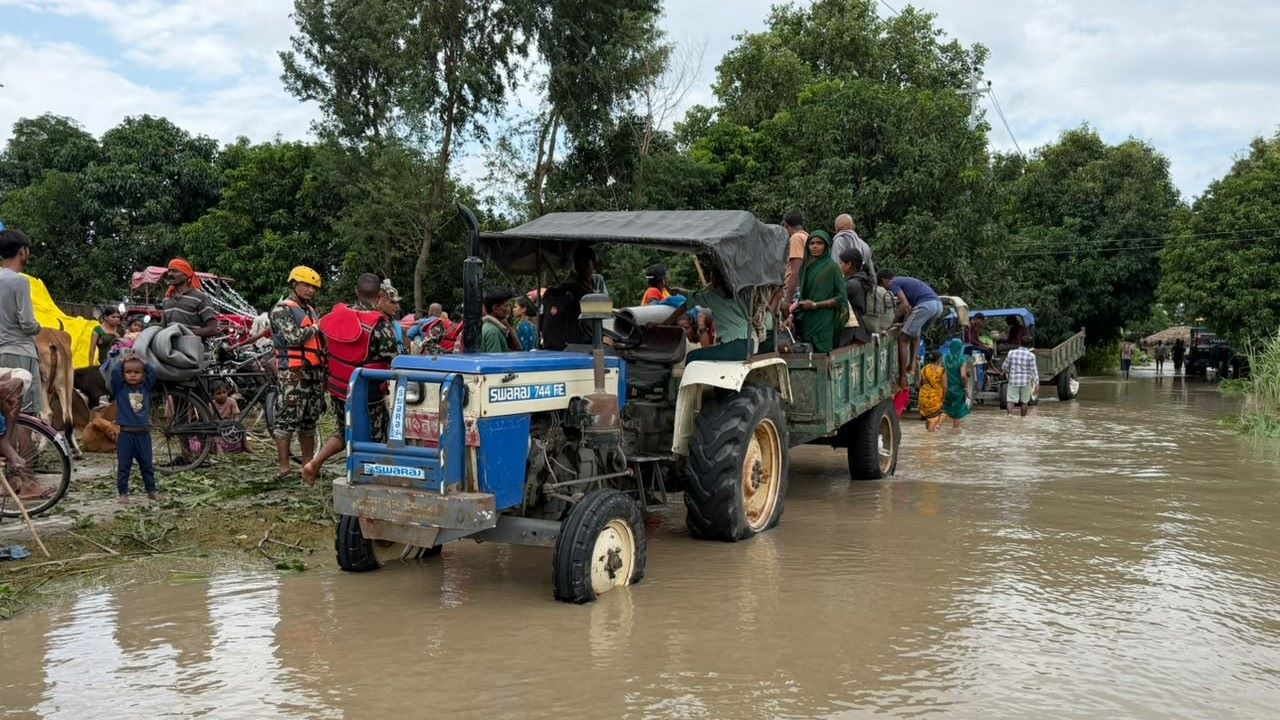
The piece highlighted how, due to the lockdown and suspension of public transport, millions of resource-strapped Indian migrants were forced to walk hundreds or even thousands of kilometers back to their villages. Among these stories, one particular account deeply moved Ghaywan—a childhood friendship between a Muslim boy and a Dalit boy.
Inspired by this article, Ghaywan decided to make his next film—and thus, “Home Bound” was born.
This film was selected for the Cannes Film Festival 2025 as India’s official entry. It was again showcased in the “Un Certain Regard” section. Following its premiere, the audience gave a 9-minute standing ovation—a rare and monumental achievement for Indian cinema.
Many in the hall were moved to tears while watching the film. An emotional Ghaywan hugged lead producer Karan Johar, thanking him warmly. That moment at Cannes became one of the most significant for South Asian cinema, especially with global cinema icons present in the audience.
As a result, the film gained international attention. Along with that, several big names became associated with the project — one of them being Martin Scorsese, who is considered one of the most renowned filmmakers of our time. In this film, he joined as an executive producer. Although Scorsese had previously been involved in restoring old Indian films, this was the first time he was associated with a contemporary Indian film project.
The film features two main characters — Mohammed Shoaib Ali (played by Ishaan Khatter) and Chandan Kumar (played by Vishal Jethwa). They come from marginalized communities that have long endured caste-based discrimination. However, they share a common dream — to transcend caste boundaries, join the police force, and forge a new identity.
DirectorGhaywan himself comes from a Dalit community. For him, the concept of “identity” has been a deeply personal issue since childhood. Although he did not face overt discrimination due to his caste, he often felt a constant awareness of “where do I stand in society?”, as he has shared in various interviews.
According to Ghaywan, a large portion of India’s population lives in villages, yet village stories are rarely portrayed in Hindi cinema. He expresses his frustration that filmmakers often ignore the individual stories of people from these backgrounds. However, he believes that even understanding just one person’s story can reveal a great deal about broader social realities.
This is why, while writing this film, Ghaywan revisited his own childhood for the sake of the characters. He grew up in Hyderabad, where his childhood friend Asghar came from the Muslim community. His experiences also helped shape the film’s characters more authentically.
Moreover, the film was shot in villages of northern India, allowing for an intimate and detailed portrayal of the daily lives, struggles, and small moments of joy within Muslim and Dalit communities. The film captures these nuances with great subtlety and depth. It manages to keep the audience engaged for most of its runtime, while also depicting the impact of the COVID-19 pandemic of 2020 with sensitivity and care.
In this way, Homebound — which received a 9-minute standing ovation at the Cannes Film Festival — is as gentle as warm sunlight on a cold day. And perhaps, it will help open up a new perspective toward marginalized communities.
Source: BBC