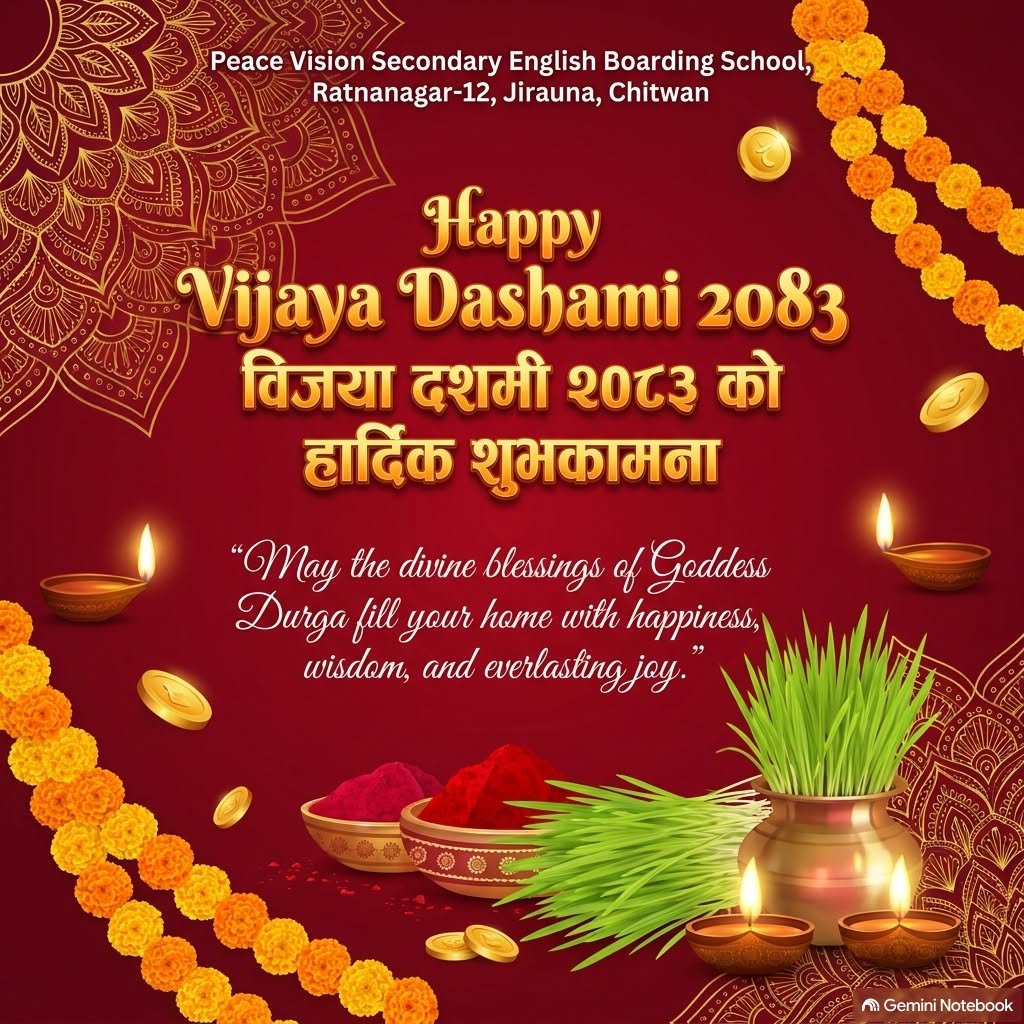
Kathmandu, 21 Oct: Nepalis across the country are celebrating Vijaya Dashami today, the most significant day of the country’s biggest Hindu festival, Bada Dashain. The occasion is marked by receiving tika, jamara and blessings from elders as families gather to celebrate the festival and strengthen their bonds of love, respect and unity.
According to the Nepal Panchanga Nirnayak Bikas Samiti, the most auspicious time to receive Dashain tika this year is 10:26 a.m. The committee has also designated 8:49 a.m. as the auspicious time for Devi Visarjan, the ritual concluding the worship of the goddess.
Committee Chairperson Associate Professor Dr. Purushottam Bhattarai said that although tika can be received throughout the day on Vijaya Dashami, 10:26 a.m. has been identified as the most auspicious time for those who wish to follow the traditional astrological timing.
Auspicious Time and Traditional Rituals
According to the committee, people observing the auspicious timing should follow a specific direction when exchanging tika. The elders offering tika should face east, while the recipients should face west.
Tika, a mixture of red vermilion and other traditional ingredients, is applied to the forehead as a symbol of blessings, prosperity and good fortune. Jamara, the sacred yellow-green shoots of barley or other grains grown during the early days of Dashain, is also placed on the head as part of the ritual.
During the festival, younger family members visit their parents, grandparents and other respected elders to receive tika, jamara and blessings for happiness, good health, success and prosperity. Elders offer blessings for a peaceful and prosperous life, while families share meals and spend time together.
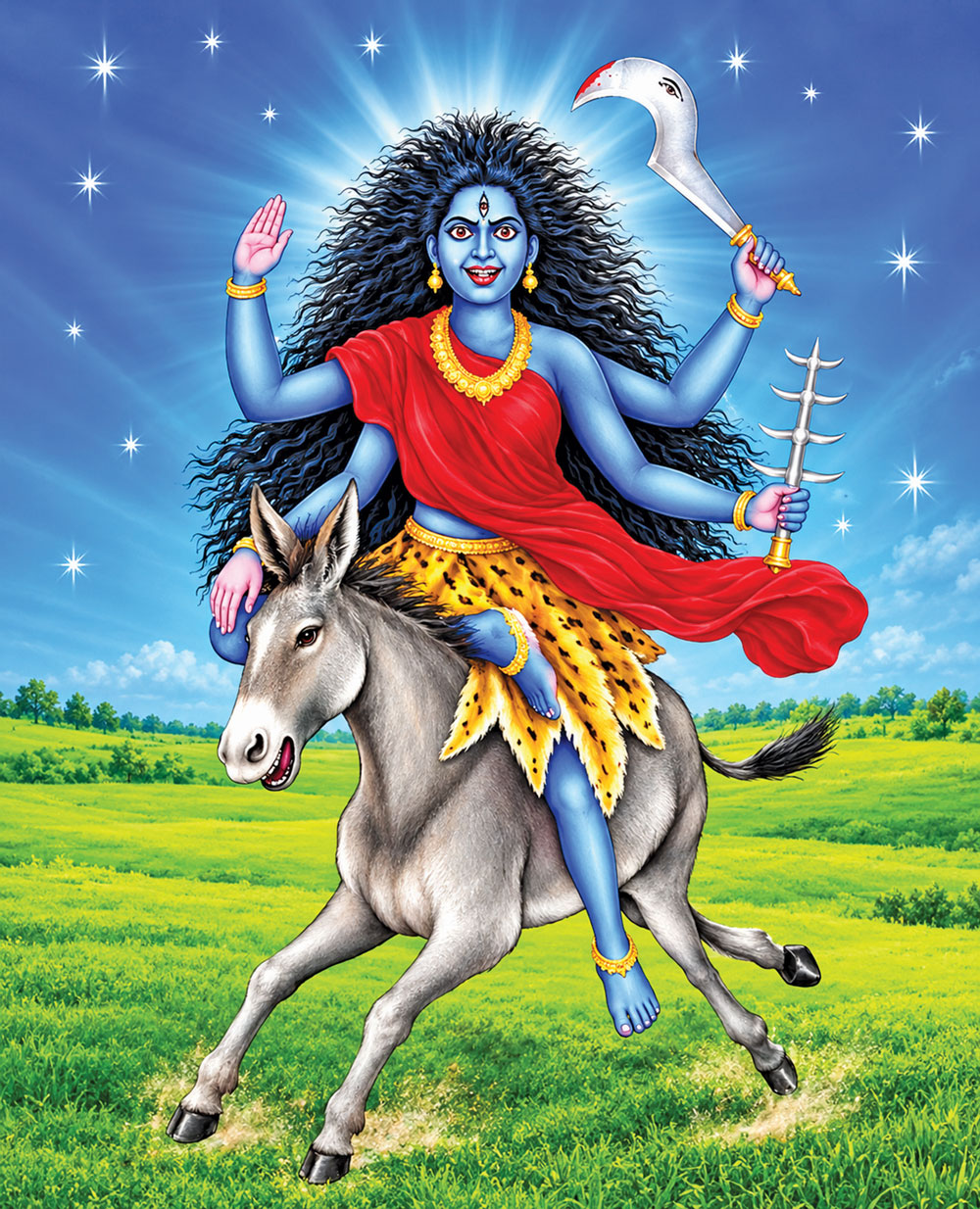
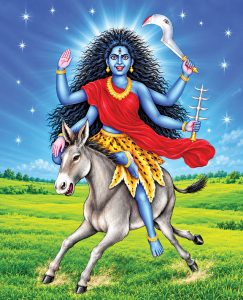
The rituals are closely associated with the worship of Nava Durga Bhawani, the nine forms of Goddess Durga. Dashain celebrates the triumph of good over evil and symbolizes the victory of righteousness over negative forces.
A Festival of Family Reunion and Cultural Unity
Bada Dashain holds a special place in Nepali society, bringing together people from different communities and regions to celebrate family relationships, cultural traditions and religious faith.
Many Nepalis who live far from their hometowns for employment, education and professional commitments return to their ancestral homes during the festival. Major cities, including Kathmandu, often experience significant movement as people travel to their villages and home districts to celebrate with their families.
For those working abroad or living in distant parts of the country, Dashain is also an important occasion to reconnect with loved ones. Although not everyone can return home, the festival remains a powerful symbol of family unity and belonging.
The celebration is observed with different customs across Nepal, reflecting the country’s cultural and regional diversity. While tika and jamara are central to the main celebration, families also prepare traditional dishes, wear new clothes and exchange greetings and good wishes.
Dashain Celebrations Continue Beyond Vijaya Dashami
Vijaya Dashami is the principal day for receiving tika, jamara and blessings during Bada Dashain. However, the celebration does not end on this day.
In many parts of Nepal, people continue visiting their elders and relatives to receive tika and blessings until Kojagrat Purnima, the full-moon day that marks the conclusion of the broader Dashain festival period.
As a major national festival, Bada Dashain represents more than a religious observance. It is an occasion for family reunions, cultural preservation and the renewal of social relationships. The exchange of tika, jamara and blessings continues to be one of the most cherished traditions through which Nepalis pass their cultural values from one generation to the next.
As households across the country celebrate Vijaya Dashami, the festival once again highlights the importance of family, respect for elders, faith and hope for a prosperous future.