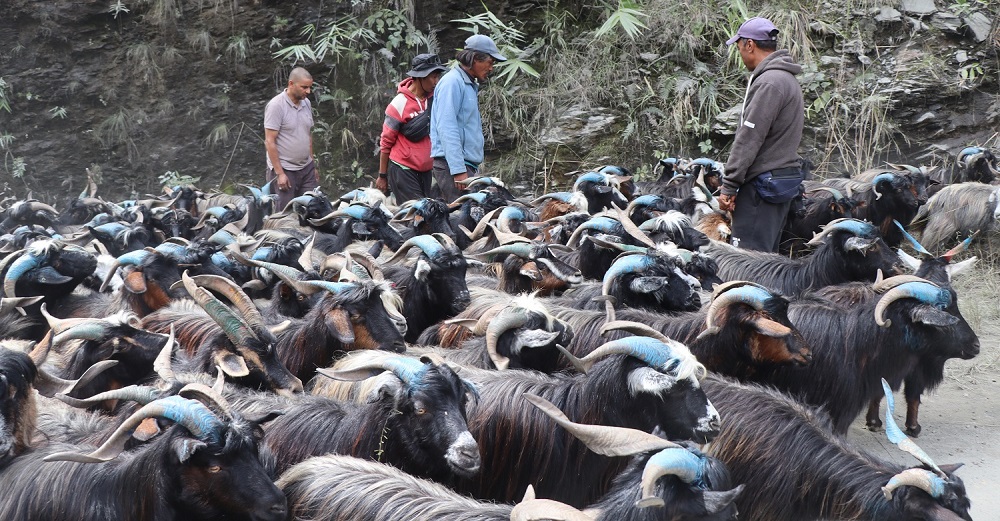
Kathmandu, 14 Oct: The centuries-old chyangra (Himalayan goat) trade in Mustang continues to preserve the legacy of the ancient Silk Road, connecting Himalayan communities with major cities across Nepal during the Dashain festival.
Although the historic trans-Himalayan trade in wool and salt has largely disappeared, the tradition of bringing chyangra from Mustang to urban markets during Dashain remains strong.
Niraj Thakali, a chyangra trader from Thini in Gharapajhong Rural Municipality-5, said the relationship between Mustang’s goats, the ancient Silk Road and Dashain celebrations in Pokhara dates back thousands of years. He added that pilgrims visiting Muktinath helped spread the popularity of Mustang’s goat meat across Nepal.
The goats travel from high-altitude pastures in Mustang to markets in Myagdi, Parbat, Baglung, Chitwan, Kathmandu, Pokhara, Butwal, Syangja and Nuwakot, maintaining longstanding economic and cultural ties between the mountains and cities.
Angyal Gurung of Chhoser in Upper Mustang’s Lomanthang Rural Municipality-1 has brought 700 chyangra to market this year. He said buying goats from farmers and selling them during Dashain was a traditional family occupation. Pemba Gurung of Tetang, Waragung Muktikshetra Rural Municipality-1, has been trading chyangra for 30 years. Meanwhile, Gyan Kumar Shrestha, founding chairman of the Nepal Livestock Trade Service Association, has continued his father’s business for six decades.
This year, Shrestha brought 1,000 chyangra to Baisari in Raghuganga Rural Municipality-2, Myagdi, after a seven-day journey on foot. His business provides seasonal employment to 16 people.
According to Shrestha, traders are preparing to transport 3,000 chyangra to Kathmandu this year. With the Korala border crossing with China closed, all goats entering the market are domestically sourced.
Currently, a chyangra costs between NPR 40,000 and NPR 50,000. Traders say meat from goats raised for up to five years is particularly flavourful. Their fine undercoat is also used as raw material for pashmina.
However, the traditional occupation faces growing challenges. Farmers cite snow leopard attacks, shortages of winter grazing land and fodder, a lack of herders, and the increasing migration of young people abroad. In Chhoser, the number of goat sheds has fallen from 25 to just five, Gurung said.
Mustang’s Agriculture and Livestock Development Office reported that 13,817 sheep and goats were approved for export from the district this year, including 11,700 goats and 2,215 sheep, following health inspections. Last year, approximately 18,000 sheep and goats were transported from Mustang.
Around 50,000 chyangra are raised across four rural municipalities in Mustang, making goat farming a major source of income for Upper Mustang’s farmers.
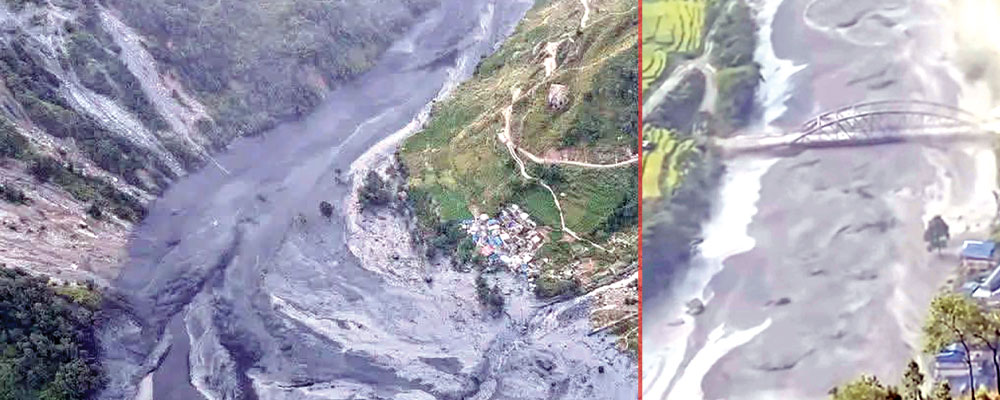
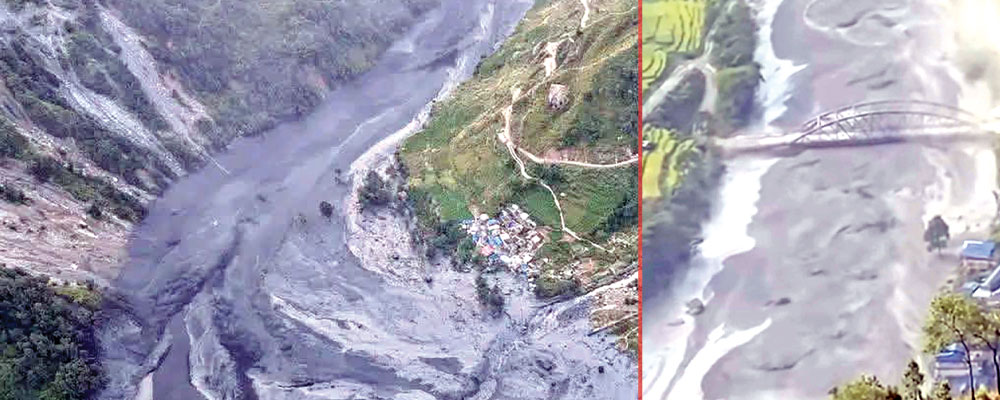
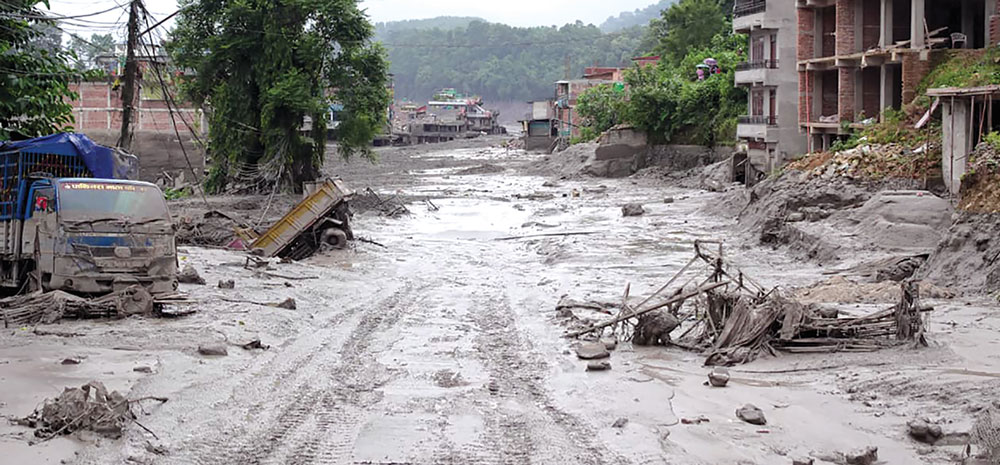
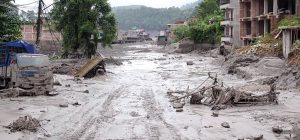
This year, floods and landslides have damaged roads, making transportation difficult. Traders said the damaged Beni-Jomsom road section in Myagdi has made the journey risky, although the reopening of the road has provided considerable relief to the livestock business.