For the first time since the student movement, Bangladesh is holding a referendum and parliamentary elections simultaneously on Thursday. Voters will decide through the referendum whether to accept the “July Charter 2025,” introduced with the aim of reforming the system of governance.
At the same time, parliamentary elections are being held with the participation of 60 political parties. Out of the total 350 seats in Parliament, 300 seats will be elected through direct voting, while 50 seats are reserved for women. Candidates for the reserved seats will be selected based on the proportion of votes received by political parties. According to the Bangladesh Election Commission, 127 million voters are registered on the electoral roll, and voting will take place at 42,779 polling centers across the country.
Polling stations will remain open from 7:30 a.m. to 4:30 p.m. (local time). For the first time, Bangladeshis living abroad have been granted voting rights. They will cast their votes through a digital postal voting system. The Election Commission stated that 761,142 Bangladeshi citizens in 122 countries have received ballot papers.
BNP–Jamaat Main Contest
Following the student movement, former Prime Minister Sheikh Hasina, who was ousted in August 2024, and her party, the Awami League, have been banned in Bangladesh. The International Crimes Tribunal in Dhaka convicted Hasina on charges of repression and sentenced her to death. However, she has avoided the sentence as she is living in exile in India.
The ban on the Awami League is expected to directly benefit the Bangladesh Nationalist Party (BNP) and Jamaat-e-Islami, which are seen as the main contenders. Founded in 1978, the BNP has come to power several times in the past, though party leadership has largely remained within the family of former President Ziaur Rahman. Jamaat-e-Islami, founded by Syed Abul Ala Maududi during the British colonial period in 1941, has been active in Bangladesh as a political party since 1979.
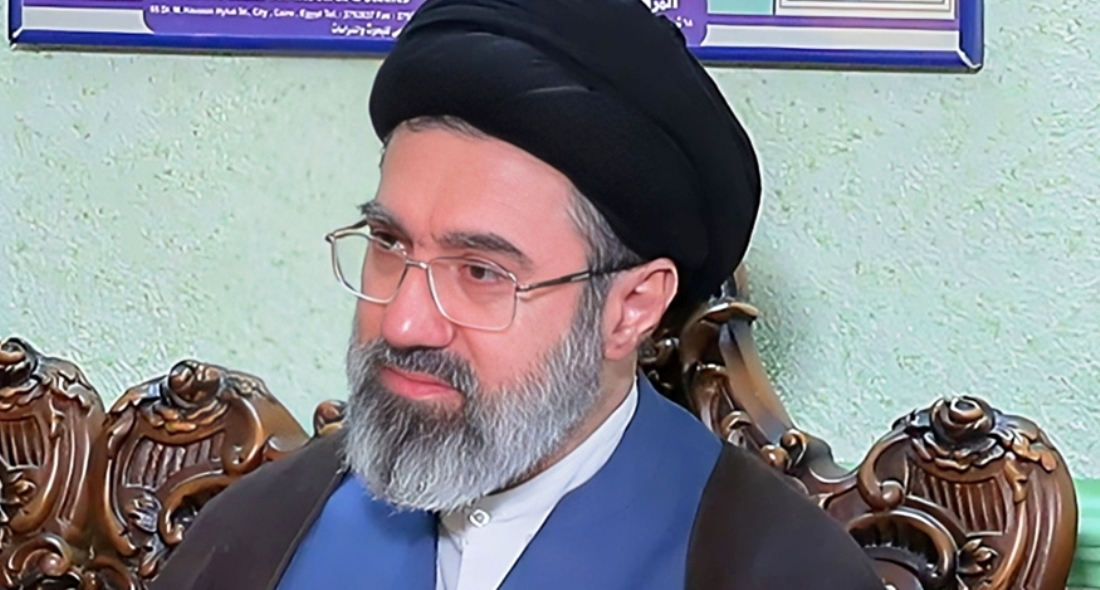
After spending 17 years in London, Tarique Rahman returned to Bangladesh following the student movement. The 60-year-old, now chairman of the BNP, has been projected by the party as its prime ministerial candidate. Jamaat-e-Islami is currently led by 67-year-old Safiker Rahman and is considered BNP’s main rival. Advocating hardline Islamic beliefs, Jamaat has not fielded any female candidates in any constituency.
Rahman has formed a broad alliance for this election, including forces with differing ideologies. Among them is the National Citizen Party (NCP), formed by students who were at the forefront of the student movement. The Islami Andolan Bangladesh (IAB) and the Jatiya Party (Ershad) are also believed to have strong support bases in certain areas.
July Charter 2025 and Referendum
Voters will decide whether to accept or reject the “July Charter 2025,” drafted in line with the spirit of the 2024 uprising. The charter includes more than 80 proposed reforms to Bangladesh’s existing constitution. It was prepared by the interim government’s National Consensus Commission, and in October last year, 24 political parties agreed to take it to a referendum.
The charter covers reforms related to the constitution, judiciary, electoral system, police, public administration, corruption control, increased political representation of women, a fixed term limit for the prime minister, enhanced powers for the president, and fundamental rights, among others.
The referendum ballot asks voters:
“Do you support the July National Charter and the constitutional reform proposals included in it?”
Voters must choose “Yes” or “No.”
If the majority votes “Yes,” the July Charter will be approved through the referendum, and the incoming government will be obliged to implement it. In that case, the newly elected Parliament will undertake constitutional amendments for six months. If the majority votes “No,” the government will not be bound to move forward with the plan.
Declining Women’s Leadership
Since 1991, women have dominated Bangladeshi politics for more than three decades, with Sheikh Hasina of the Awami League and Khaleda Zia of the BNP regarded as influential leaders. Hasina has been living in exile in India since 2024, while Zia passed away in December last year at the age of 80. This time, none of the major parties are led by women.
The July Charter proposed that women should contest at least 5 percent of directly elected seats, but even parties that signed the charter failed to meet this target. Women make up only 3.5 percent of BNP candidates, while Jamaat has fielded no women at all.
Jamaat leader Safiker Rahman claimed that women cannot participate in politics due to family responsibilities, a statement that has sparked controversy. Eleven women’s organizations have filed complaints against the party, accusing it of insulting women. Moserera Misul of the Democratic Revolutionary Party has warned Jamaat to stop its “consistently anti-women, patriarchal, and derogatory statements” and to issue a public apology.