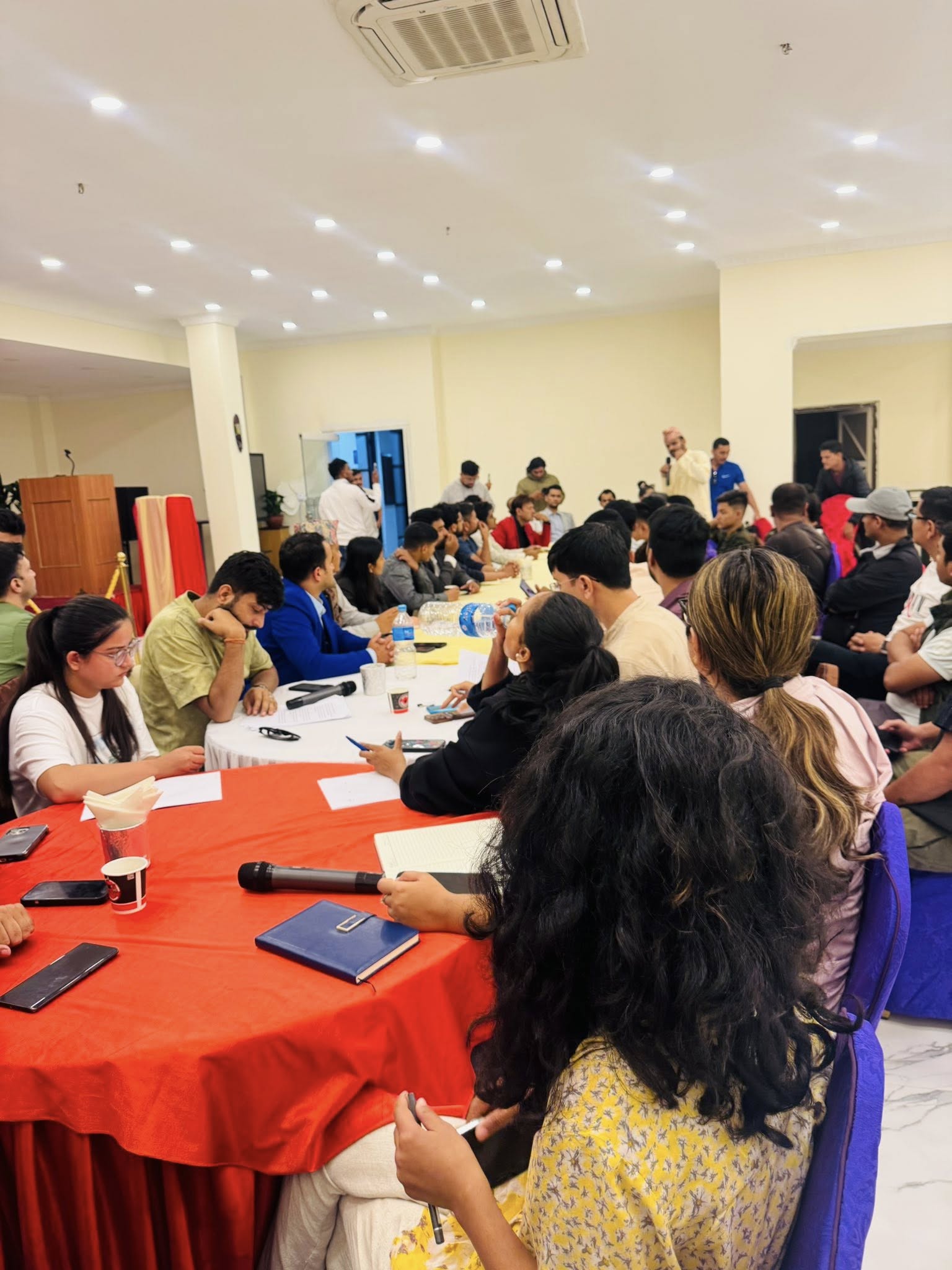
Kathmandu, 24 Sep: Ten years after the promulgation of Nepal’s constitution, debates on its implementation and possible amendments have taken a new turn. While political parties have long used constitutional reform as a bargaining chip for power, the Gen-Z movement has reshaped the discourse by demanding more fundamental changes. The struggle now is whether parties will continue playing power games or respond with pragmatic reforms in the national interest.
1. The Gen-Z Movement and Directly Elected Leadership
The Gen-Z protest movement has transformed the conversation around constitutional amendments. Standing on the foundations of street demonstrations, the youth are demanding a directly elected executive prime minister to ensure government stability and accountability.
According to constitutional experts, this demand is unlikely to be addressed before the upcoming elections due to procedural and constitutional complexities. Chandra Kant Gyawali, a constitutional scholar, argues that implementation depends on the next parliament and possibly a high-level commission for constitutional review. Only after a two-thirds parliamentary approval can such changes become law.
Although the Maoists and some Madhesi leaders support a directly elected executive, major parties like the Nepali Congress (NC) and CPN-UML remain reluctant. They prefer to stick to the parliamentary system, citing Nepal’s delicate geopolitical balance and risks of authoritarianism. Nevertheless, Gen-Z leaders insist that direct elections are the only way to end instability and entrenched corruption.
2. Structural Weaknesses: Judiciary, Federalism, and Oversized Representation
The Gen-Z movement is also challenging broader structural flaws within the constitutional framework. Political interference in judicial appointments has raised concerns about credibility. Demands for independent appointments to key commissions—such as anti-corruption and anti-money laundering bodies—are growing stronger.
Another flashpoint is the bloated size of Nepal’s federal structure. Currently, the country has 753 local governments, 550 provincial assembly members, and 334 federal parliamentarians—a total of more than 35,000 elected representatives. Maintaining this apparatus consumes nearly 10 billion rupees annually in salaries and allowances. Critics argue that this has created inefficiency and drained state resources.

Some factions of the Gen-Z movement even demand the abolition of provincial governments, though others call for reducing the number of provinces and cutting the size of assemblies. Gyawali suggests at least halving the number of representatives while considering a mixed electoral system and revisiting whether ministers should always come from parliament.
3. Federalism, Inclusivity, and the Madhesi Demands
Despite the constitution’s attempt to institutionalize federalism, republicanism, secularism, and inclusivity, implementation has lagged. Madhesi, Janajati, Tharu, and Dalit communities continue to feel excluded. Madhesi parties, for example, have marked Constitution Day as a “Black Day” since 2015, protesting unresolved issues of provincial demarcation and proportional inclusion.
Federalism, in practice, has been weakened by central dominance. Provinces lack both legal clarity and adequate resources. Key laws—such as the Federal Civil Service Act and Police Act—have been delayed, leaving provincial governments powerless. This has created recurring disputes between the three levels of government.
Nevertheless, some progress has been made. UML leaders point out that bringing formerly marginalized or insurgent forces like CK Raut and Netra Bikram Chand into mainstream politics has been a notable achievement of the current constitutional setup. Yet, inclusivity remains incomplete, and the Gen-Z demand for restructuring signals deep dissatisfaction with the status quo.

4. Political Opportunism and the Road Ahead
The past decade shows that political parties have treated constitutional amendment debates more as instruments of power than tools for reform. NC and UML previously raised the issue of amendment to consolidate a two-party dominance, seeking changes in electoral thresholds. Maoists, meanwhile, turned vocal about reform only after losing power.
The Gen-Z movement, however, reframes the debate. For them, constitutional reform is not about partisan advantage but systemic change—ending entrenched corruption, curbing party interference, and strengthening governance.
Senior Maoist leader Narayan Kaji Shrestha supports these youth demands, stressing the need for reforms in the judiciary, legislature, and constitutional bodies. However, he also warns that amendments must come from parliament, not external commissions, to avoid further crises.
Constitutional experts like Mukti Pradhan argue that parliament has failed to prioritize governance, instead turning into a battlefield for power struggles. While the constitution envisioned good governance and fundamental rights, lawmakers have not passed the necessary laws to strengthen federalism or deliver services effectively.
Ultimately, the debate circles back to a central tension: Should Nepal stick with the parliamentary system or shift toward a directly elected executive? While Gen-Z sees this as essential for political stability, established parties remain divided.