A recent report from Israeli media has revealed a significant internal debate within the Mossad regarding the assassination of Hamas’s top leadership, highlighting the complex geopolitics of the ongoing conflict.
According to the report in Yedioth Ahronoth, Israeli officials proposed a high-risk ground operation in Doha, Qatar. The mission’s objective was to target the political leadership of Hamas, including its chief, Ismail Haniyeh, who operates from a secure base in the Qatari capital under official protection.
Amid the fallout from the apparent failed strike, reports began to emerge of significant opposition to the plan, both in the way it was carried out and the timing amid ongoing hostage talks.
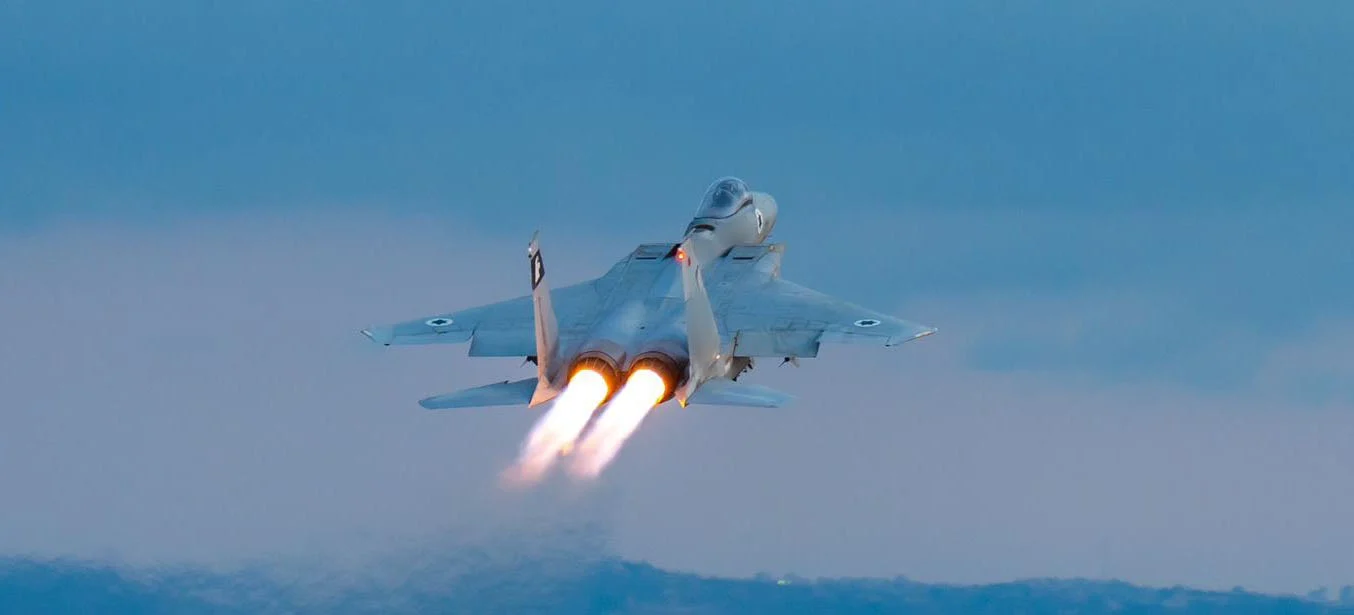
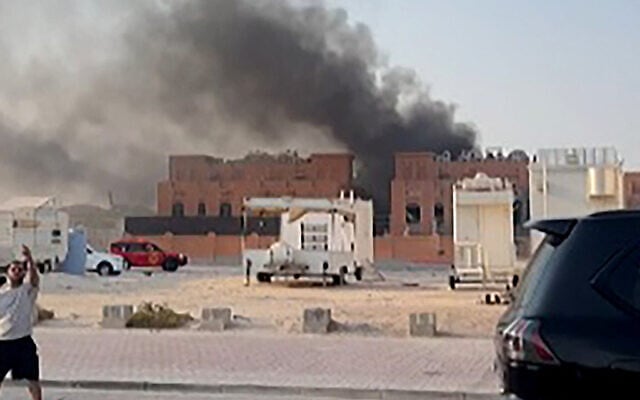
Instead, Israel was forced to carry out airstrikes, which Israel’s security establishment now increasingly believes failed to kill any of Hamas’s top brass who were gathered at the site of Tuesday’s strike in Doha.
The Refusal: Mossad Chief’s Calculated Decision
The plan was met with refusal from Mossad Director David Barnea. The intelligence agency deemed the proposed ground incursion too risky. Conducting a military-style raid on the soil of Qatar, a key mediator in hostage negotiations, was considered a step that would trigger a major diplomatic crisis and likely result in the capture or death of Israeli operatives.
Instead of the denied ground operation, Mossad has consistently employed long-range, precision strikes to eliminate high-value targets. This strategy, exemplified by the drone strike that killed Hamas deputy Saleh al-Arouri in Beirut, allows Israel to achieve its objectives without violating a neutral country’s sovereignty and sparking a wider international incident.
This revelation underscores a modern intelligence approach: calculated strategy over daring but dangerous spectacle. Mossad’s decision prioritizes long-term geopolitical stability and operational security over the short-term gain of a single, albeit high-profile, operation.
The Mossad spy agency refused to carry out a planned ground operation to kill Hamas’s leaders in Doha, fearing that the operation would doom hostage-ceasefire talks and damage the agency’s ties with Qatar, a key Mideast mediator, the Washington Post reported Friday.