Ukraine Proposes New Round of Peace Talks with Russia
Ukraine has proposed a new round of peace talks with Russia this week, marking a fresh diplomatic initiative after months of stalled negotiations.
No formal talks have taken place between the two nations since June. Previous rounds held in Istanbul, Turkey, failed to yield a ceasefire, resulting instead in agreements for large-scale prisoner exchanges and the repatriation of fallen soldiers’ bodies.
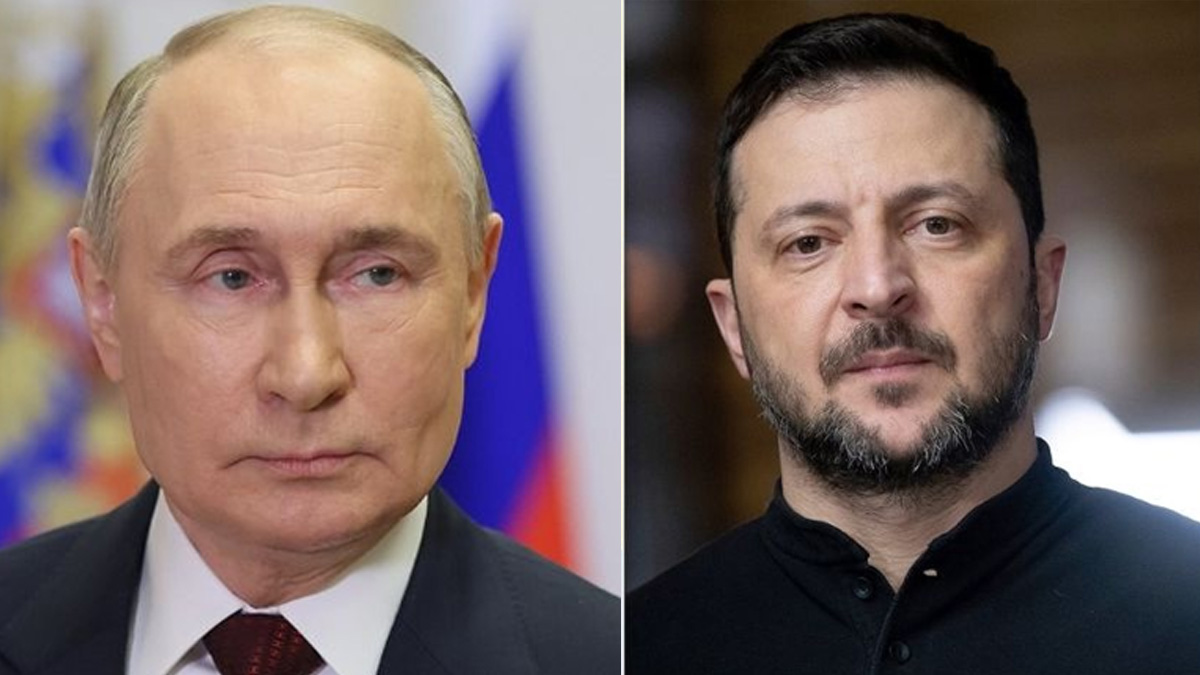
Ukrainian President Volodymyr Zelensky revealed that Security Council Secretary Rustem Umerov has proposed a new meeting with the Russian side for this week. Stressing the need to accelerate the peace process, Zelensky once again expressed his willingness to meet Russian President Vladimir Putin directly.
“A high-level meeting is essential to ensure lasting peace,” Zelensky emphasized.
In a bid to re-energize negotiations, Zelensky recently appointed former Defense Minister Umerov as the head of Ukraine’s National Security and Defense Council, tasking him with advancing the peace agenda.
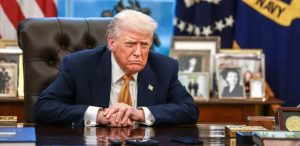
Meanwhile, in response to frustration with Putin, U.S. President Donald Trump on Monday announced a new military aid package for Ukraine. According to Western media reports, this package includes offensive weapons.
Since the start of his second term, Trump—who maintains a relatively favorable relationship with Putin—has pressured Ukraine to accept a peace deal on Russia’s terms.
In contrast, former U.S. President Joe Biden had previously approved significant military aid for Ukraine, which Trump suspended, including halting the flow of American intelligence support for a period of time.
Trump’s Shift in Stance as Putin Shows No Desire to End War
As Russian President Vladimir Putin continues to show no willingness to halt the war, former U.S. President Donald Trump appears to have changed his approach toward both Russia and Ukraine.
Although Trump previously insisted on providing only defensive weapons to Ukraine to avoid escalating the conflict, he is now expected to supply offensive weapons as well. U.S., Ukrainian, and European officials believe these new weapons could shift the direction of the war and increase pressure on Putin to agree to a ceasefire.
On Monday, Trump unveiled his new plan for the Russia-Ukraine war following a meeting with NATO Secretary-General Mark Rutte at the White House. Notably, three weeks ago, Trump had halted the supply of Patriot air-defense missiles and other weapons previously approved by the Biden administration. However, following intense Russian attacks on Ukrainian cities, he reversed his stance, stating he had no other option.
Trump revealed that Patriot interceptor missiles, purchased by European nations, would now be sent to Ukraine. Just a month ago, during the NATO summit in The Hague, he told Ukrainian President Volodymyr Zelensky he was open to selling Patriot systems. However, within a week, the U.S. had blocked the transfer of some weapons already delivered to neighboring Poland for Ukraine.
Zelensky has consistently called for ten Patriot air-defense units, worth $15 billion, to protect Ukraine from Russian airstrikes.
Trump was previously expected to halt U.S. arms support for Ukraine, prompting European allies to plan their own weapon purchases from the U.S. to send to Ukraine. Just two days after freezing military aid, Trump spoke with Putin for over an hour. While he expressed frustration about the ongoing war, he admitted there was no progress during the call.
In late February, Trump publicly scolded Zelensky at the White House but later, during their June 25 meeting in The Hague, he praised him. A week later, Trump paused military support—only to resume it again shortly afterward.
Under Trump’s initiative, the U.S. is now mediating for a Russia-Ukraine ceasefire. Trump has been pressuring both sides for peace, both publicly and privately. While Ukraine quickly agreed to a proposed 30-day ceasefire, Putin refused.
Putin has demanded that:
-
Ukraine not join NATO
-
Its military be reduced
-
Russia be granted control not only over already occupied Ukrainian territory but also areas not currently under its control
After a phone call between Trump and Putin on May 19, hopes were high for a breakthrough. However, the two-hour call led nowhere, and Trump later backed off from demanding an immediate ceasefire from Russia. Instead of easing aggression, Putin intensified attacks, prompting Trump to make stronger statements against him. Trump is reportedly considering new sanctions on Russia, accusing Putin of stalling and using talks as a tactic.
If Russia does not show seriousness about peace, Trump is expected to take tougher actions.
Earlier in June, Ukraine destroyed several Russian bombers using drones, which led to peace talks in Turkey. However, the talks again failed to produce any concrete progress. In that one-hour meeting, Russia formally presented its conditions, stating the war would only end if Ukraine agreed to cede more territory and reduce its military.
Russia maintains that it is seeking a long-term solution—not just a ceasefire.
Ukraine, meanwhile, accuses Putin of having no real interest in peace. According to Russia’s Interfax news agency, Moscow demands:
-
International recognition of Crimea, annexed in 2014, as Russian territory
-
Recognition of four other Ukrainian regions claimed by Russia, even though Russia doesn’t fully control them
-
Withdrawal of Ukrainian forces from those areas
-
Ukraine must remain neutral and never join NATO
-
Protection of Russian-speaking populations, adoption of Russian as an official language, and an end to alleged “Nazification”
Ukraine rejects claims of discrimination against Russian speakers and calls the “Nazification” accusations laughable.
Ukraine, on the other hand, demands:
-
A full and unconditional ceasefire on land, air, and sea
-
The U.S. to monitor the ceasefire
-
Release of all prisoners and the return of children forcibly taken to Russia
-
A direct meeting between Zelensky and Putin
-
Security guarantees to prevent future Russian aggression
-
No international recognition of Russian claims over occupied Ukrainian territories
-
No limitations on Ukraine’s military strength
-
Gradual lifting of sanctions on Russia, with provisions to reinstate them if Moscow violates the deal
-
Seized Russian assets to be used for Ukraine’s reconstruction