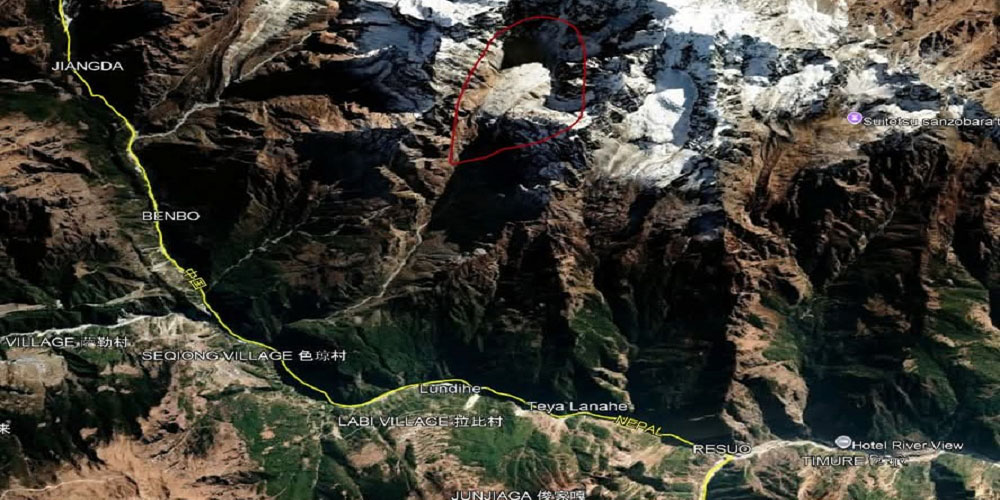
Kathmandu, 12 June: Twenty years ago, in the Langtang region of Rasuwa—a Himalayan district—the roofs of houses were almost entirely blanketed by thick snow. A small glacial stream flowed near the homes. Every morning, the youth would wake up and begin clearing the snow, playing with the sparkling, pearl-like ice crystals scattered across their courtyards.
But now, local resident Pasang Tamang says these experiences feel like a fable from another era. “Even when clouds gather or a brief drizzle falls, locals no longer expect snow—their traditional weather wisdom has become useless. Today, the Langtang National Park and surrounding areas rarely see snowfall at all.”
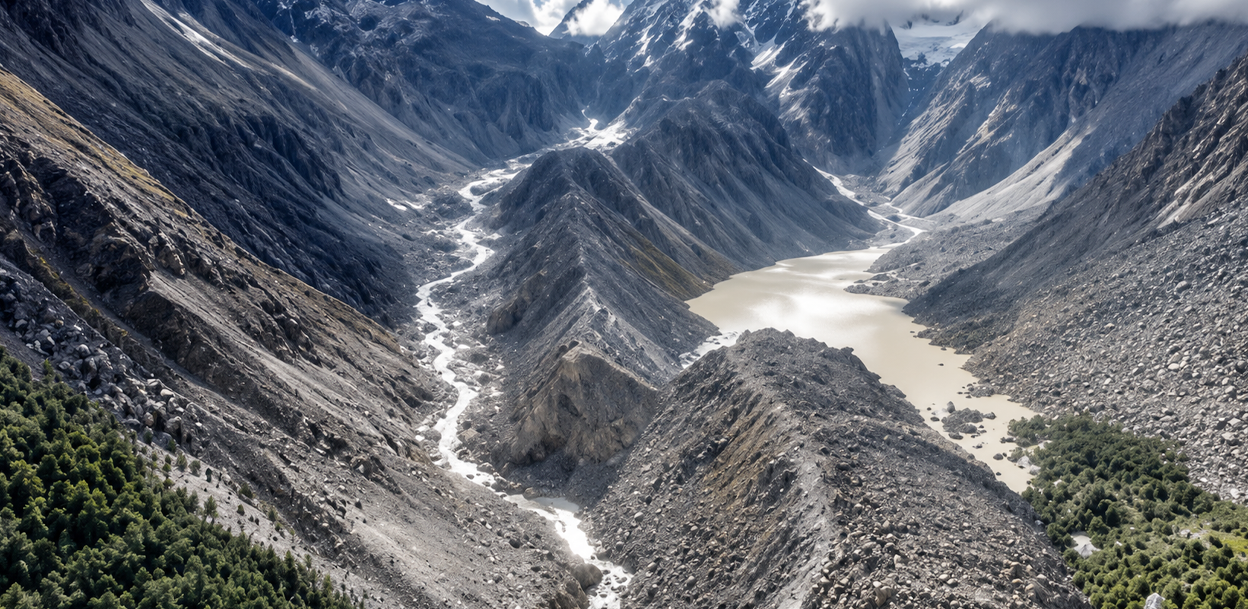
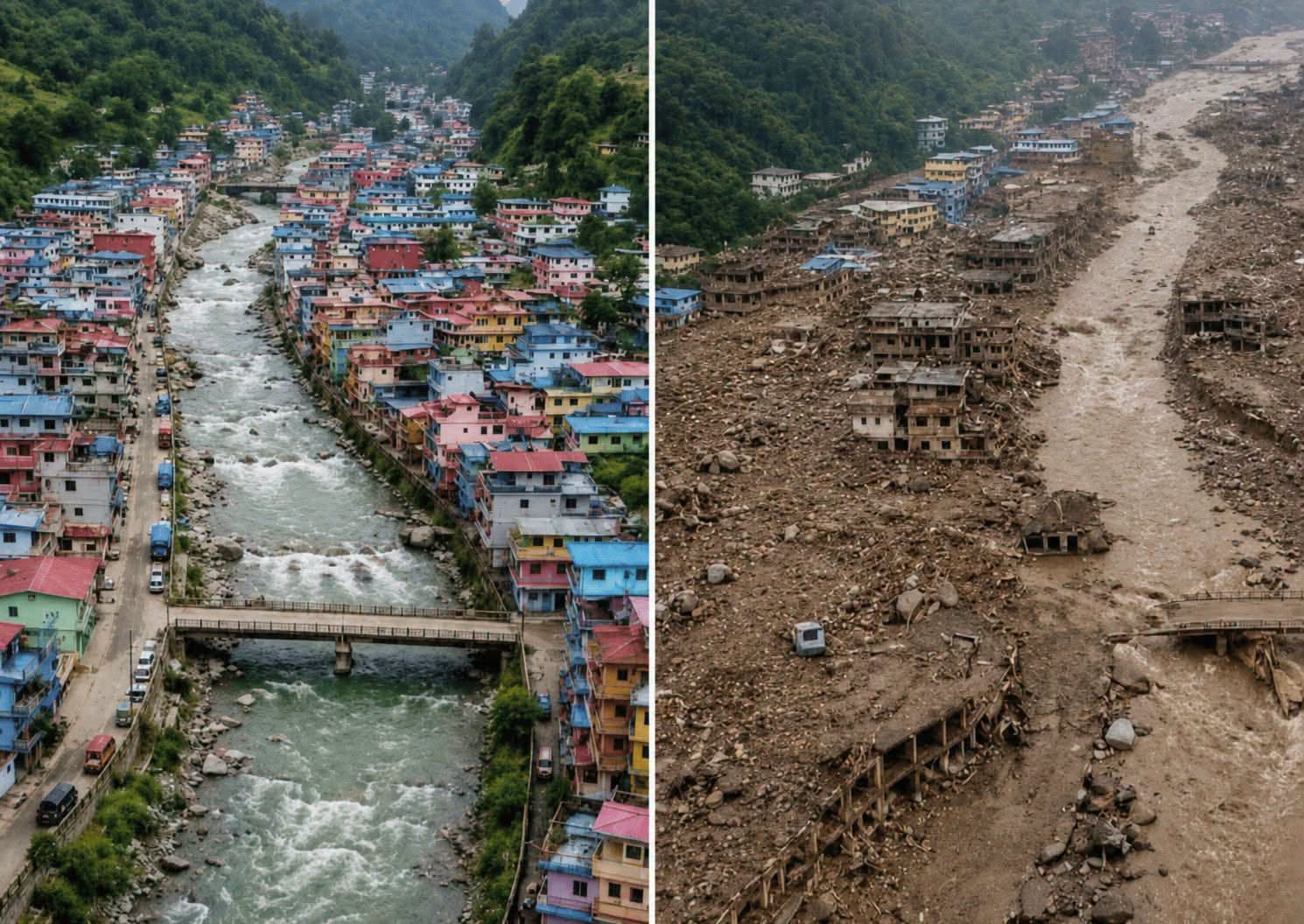
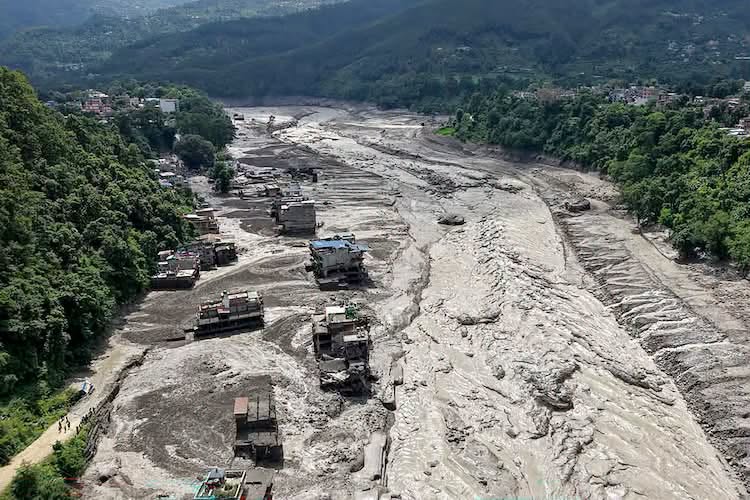
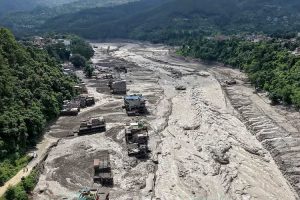
Tamang, chairperson of the park’s mid-region consumer committee, recalls how glaciers stretched close to settlements just 20 years ago. “Back then, the glacier reached downhill. Now, it’s retreated so far up the mountain that it’s almost invisible. We never used to fear landslides during monsoons—now we can’t predict them. Even trekking feels risky,” he shares, linking the crisis to climate change and rising global temperatures.
With melting glaciers and unpredictable landslides, Tamang warns travelers must now tread cautiously. “The temperature rise means landslides strike without warning. We have no choice but to stay alert.”
Pasang suspects that even the devastating earthquake of 2072 BS (2015 AD) might have been triggered by climate change. “Poor management of the tourism sector has worsened the impacts of climate change,” he says, worried that as the glacial lines vanish, so too will the tourism business—the lifeline of Langtang’s residents.
“Because of global warming and climate change, landslides now strike without warning. I even feel the 2015 earthquake was caused by these shifts. Tourism is our only livelihood here, but now even this industry is in crisis.”
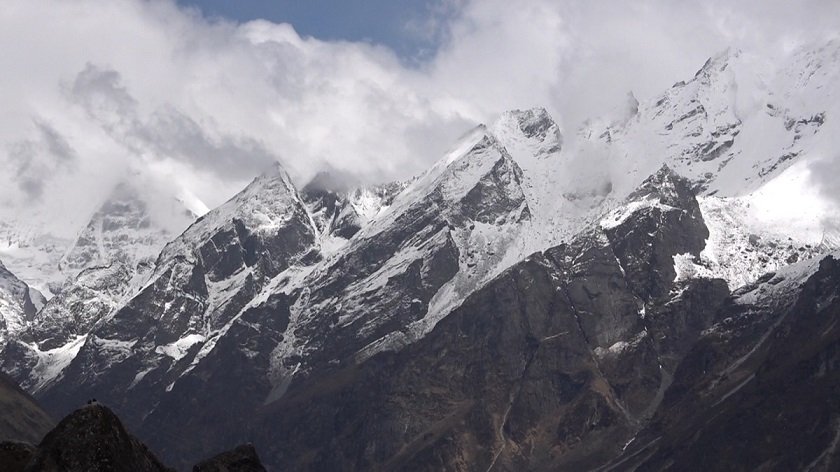
The retreating snowline, witnessed firsthand by locals, starkly reveals the severity of climate change impacts in the Himalayas. Rapid industrialization and unnatural spikes in global temperatures have pushed mountain ecosystems to the brink of collapse.
Kanchha Tamang, a Langtang hotelier, recounts his experience: “Twenty years ago, snow would blanket this land up to a meter deep—now, we’re left with only memories of those winters.”
“In recent years, the snowline has been retreating upwards,” he observes, noting how unregulated hotel businesses in the area have further exacerbated environmental degradation. He emphasizes the need for the government to establish proper operational standards for tourism-related hotels. Despite increasing tourist numbers, he shares that most locals have now entered the hotel business, leading to reduced income opportunities due to oversaturation.
“Twenty years ago, snow would pile up to a meter deep—reaching the roofs of small houses. Now, that’s no longer the case. Even the glaciers have receded far uphill,” he says. “Because of this, the hotel industry here remains disorganized. The government failed to enforce strict regulations for hoteliers. We ourselves are contributing to climate destruction. Instead of attracting tourists sustainably, the focus has shifted to short-term gains. With everyone doing the same business, income sources have drastically dwindled.”
“The Langtang Valley – where snow-capped peaks embrace human settlements blanketed in white. Nearly every house here now functions as a hotel. While domestic tourists (Nepal’s third-largest trekking demographic) increasingly visit Rasuwa’s Kyanjin Valley, many recoil at the sight of trash strewn across this fragile landscape. Poor waste management by local authorities and hoteliers continues to disappoint visitors.”
Pasang Lopchen, a local resident, warns: “With rising tourist numbers comes escalating waste. If unaddressed, this will cripple tourism itself.” Where biodegradable waste was once buried, open burning now fouls the air. “Fewer tourists meant less trash before. Now, smoke from burning piles damages our environment. Even summers have grown warmer—where we once needed woolens year-round.”
The effects of climate change in Langtang are now evident across geographic, economic, and social spheres. Glaciers are rapidly retreating, while landslides and erratic weather events have intensified. As the snowline shifts upward, the very foundation of village livelihoods is eroding—forcing youth migration and disrupting local economies.
Despite Nepal’s government repeatedly raising these issues in international forums and conferences, the exclusion of affected communities from these discussions has rendered such meetings increasingly ineffective. Without the voices of those living on the frontlines, policy decisions remain disconnected from reality.