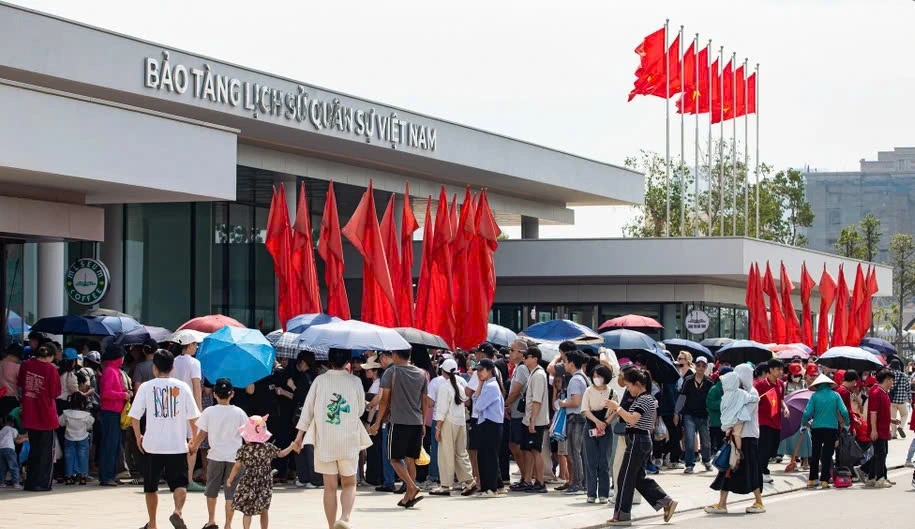
On this special occasion, the Museum in Hanoi welcomed 147,750 visitors, including more than 1,000 international guests from many countries. Notably, the Museum had the honor of receiving a delegation from the Political Department of the Cuban Revolutionary Armed Forces —a powerful symbol of enduring international solidarity.
To enrich the visitor experience, the Museum offered Vietnamese national flags , liberation flags , and informative leaflets with QR codes . These made it easier to explore the architecture and iconic artifacts from Vietnam’s resistance war against the U.S.
The introduction of audio guide technology—featuring automatic narration in both Vietnamese and English—allowed visitors to learn about exhibits related to the 1975 Spring Offensive . Available on handheld devices and smartphones, it provided vivid and immersive commentary to bring the nation’s heroic history to life.
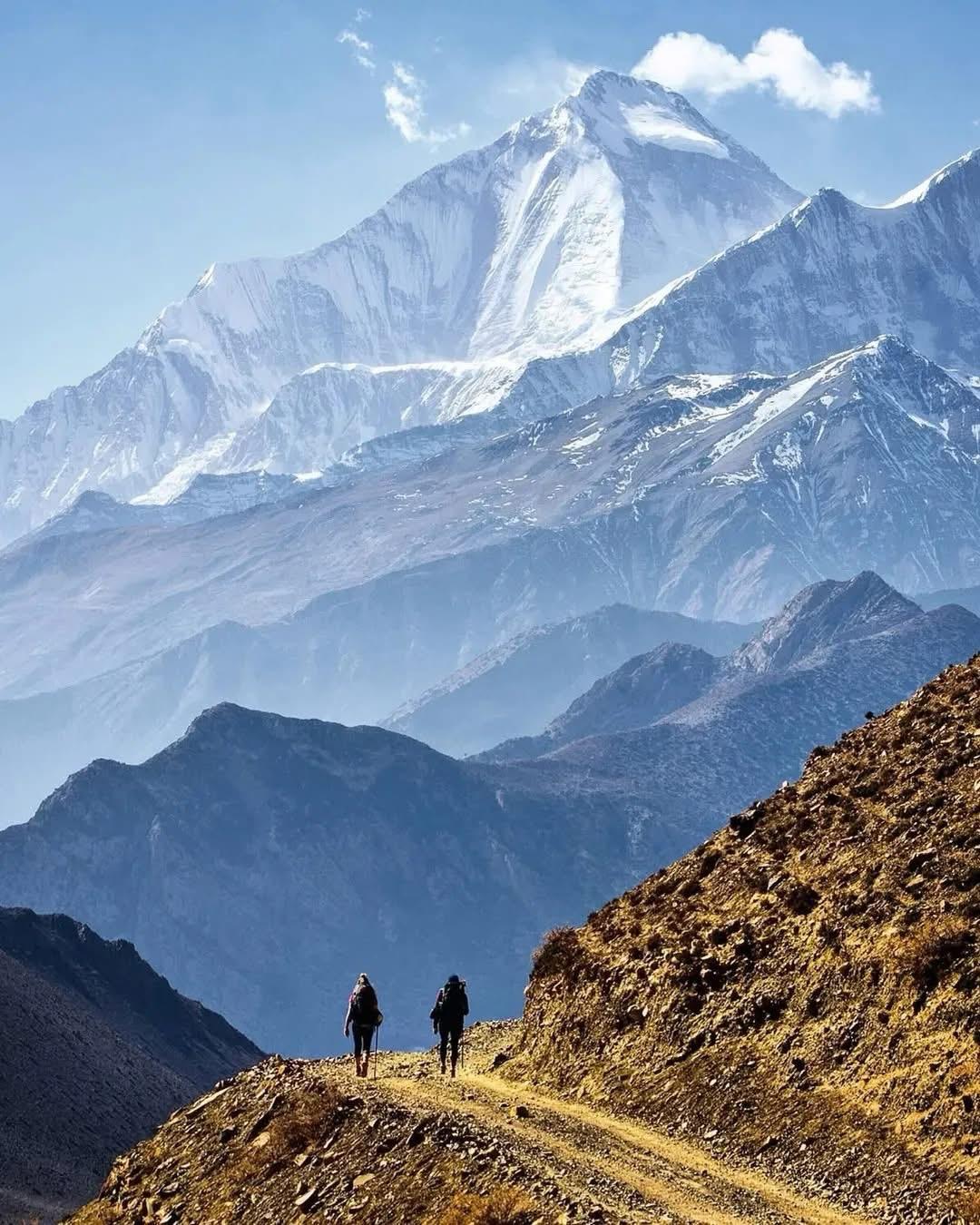
Annapurna Circuit of Nepal
The Annapurna Circuit is one of the most iconic and diverse trekking routes in Nepal—and the world. It offers an incredible journey through a range of ecosystems, ethnic villages, and dramatic mountain scenery.
Here’s a detailed overview to help you understand and plan a trek around the Annapurna Circuit:
Annapurna Circuit Trek Overview
-
Location: Central Nepal (Annapurna Region)
-
Duration: 12–20 days (depending on route and pace)
-
Distance: ~160–230 km (99–143 miles)
-
Highest Point: Thorong La Pass (5,416 meters / 17,769 ft) — one of the highest trekking passes in the world
-
Start Point: Besisahar or Bhulbhule (accessible from Kathmandu or Pokhara)
-
End Point: Typically Jomsom, Tatopani, or Nayapul (some fly out from Jomsom)
-
Permit Required:
-
TIMS Card
-
Annapurna Conservation Area Permit (ACAP)
-
Trekking
-
Diverse Landscapes: From lush subtropical forests to alpine meadows and arid Tibetan plateau-like deserts.
-
Cultural Encounters: Pass through traditional Gurung, Thakali, and Tibetan-influenced villages.
-
Natural Wonders:
-
Thorong La Pass
-
Muktinath Temple (sacred to both Hindus and Buddhists)
-
Manang Village (acclimatization stop with stunning views)
-
Marpha (famous for apple brandy and charming stone-paved alleys)
-
-
Hot Springs in Tatopani
-
Panoramic views of: Annapurna I, II, III, IV, Gangapurna, Dhaulagiri, Machapuchare (Fishtail), and more.
Season for Trekking
-
-
Spring (Mar–May): Clear skies, blooming rhododendrons
-
Autumn (Sept–Nov): Stable weather and superb mountain views
-
-
Not Ideal: During monsoon (June–Aug) or winter (Dec–Feb) due to landslides or heavy snow at the pass.
Accommodation & Food
-
Teahouse Trek: You stay in small lodges along the trail. Basic but comfortable.
-
Meals: Dal Bhat, noodles, momos, pasta, pancakes, yak cheese, etc. Mostly vegetarian.
-
Cost per day: Around $25–$50 depending on the season and standard of lodging.
Tips & Considerations
-
Acclimatization is key — spend 1–2 days in Manang or similar high-altitude towns.
-
Pack layers — temperatures can vary greatly between day and night.
-
Go slow over Thorong La — altitude sickness is a serious risk.
-
Road development has changed parts of the original trail, but alternate trekking paths still offer authentic experiences.