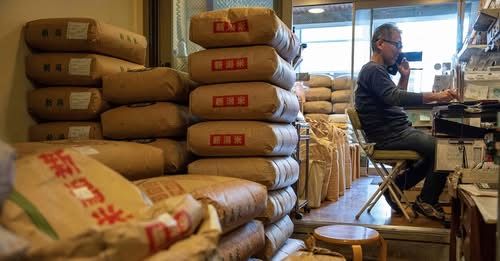
The Japanese government said on Friday it would release rice reserves reserved for emergency use in response to rising prices. Rice is the nation’s beloved staple food. The government has used its rice reserves in the past in emergencies such as major earthquakes, but this will be the first time it has done so due to distribution constraints.
Rice prices rose last summer after shortages caused by extreme heat in 2023 greatly increased demand and have continued to rise since then. Japan is facing persistently high temperatures, facing its hottest year on record in 2024, as extreme heat waves caused by climate change engulf much of the world.
Agriculture Minister Taku Ito told reporters that the government would release 210,000 tons of rice from its 1 million-ton stockpile. “We want to improve the stability of distribution by all means,” he said. The government had hoped that prices would stabilize once the new harvest of rice hit the market in the fall, but the increase continued.
The latest average retail price for a five-kilogram bag in February was 3,688 yen ($24), up from 2,023 yen last year, according to a government survey. In an unprecedented move, the Ministry of Agriculture decided last month to allow the sale of government rice stocks under new rules.
Previously, stored rice could only be released in the event of a serious crop failure or disaster, but changes to the rules allow it to be released when rice supplies are deemed stable. The ministry must buy back the same amount of rice from distributors within one year.
The government enacted a law to stockpile rice in 1995 after shoppers rushed to buy the staple food after a major rice crop failure two years earlier.