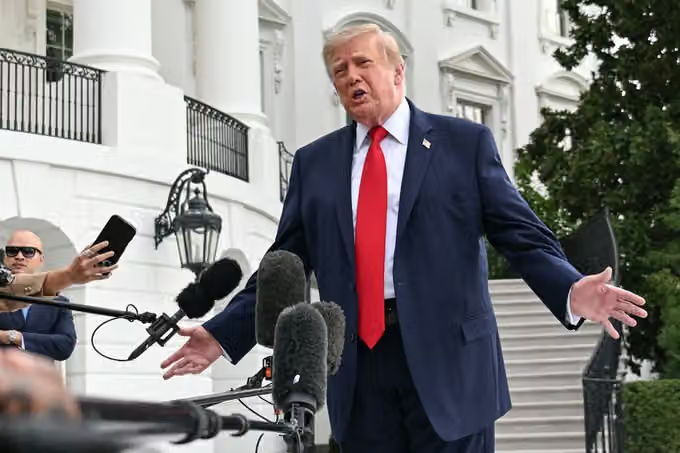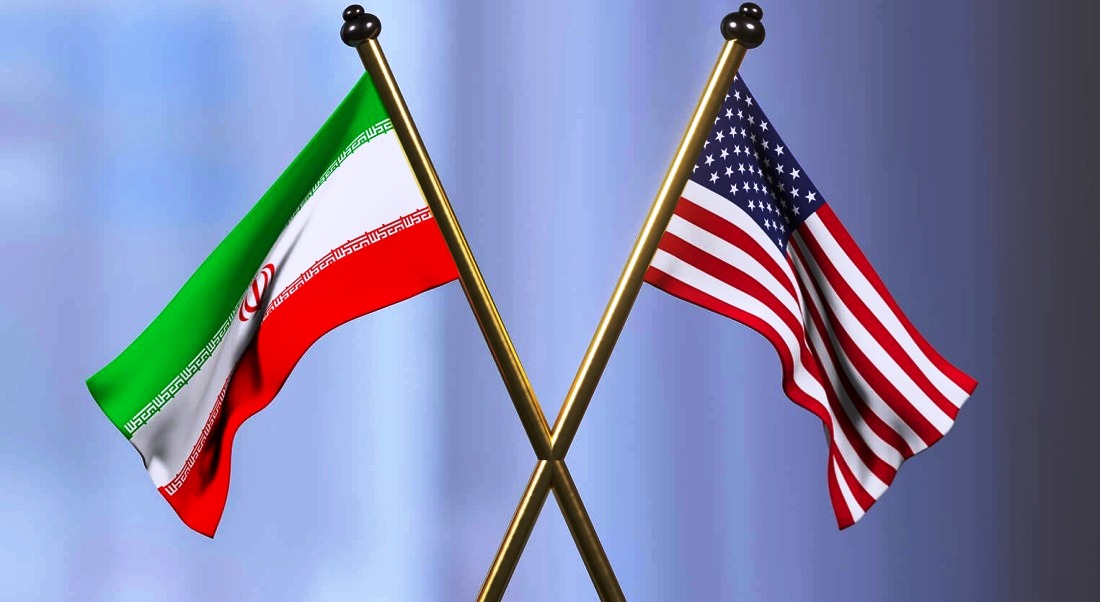
The conflict between America and Iran is intensifying. According to President Donald Trump, the US has bombed military targets on Iran’s strategic Kharg Island, which is associated with Iran’s oil network. This island is the location of Iran’s main oil export terminal.
The US military has completely destroyed the military targets on the island, and Trump has warned that oil infrastructure could also be targeted if necessary. Prior to this, the Speaker of the Iranian Parliament, Mohammad Bagher Ghalibaf, had warned that such attacks would invite a strong response from Iran.
A large explosion occurred in Iran’s capital, Tehran, on Friday. The explosion happened in the same area where thousands of people had gathered for an annual pro-Palestinian rally, chanting slogans against Israel and America. Some senior government officials were also present at this rally. It has been reported that there was no human casualty from the explosion, but this incident highlights the firm resolve and retaliatory capabilities of both sides in the conflict.
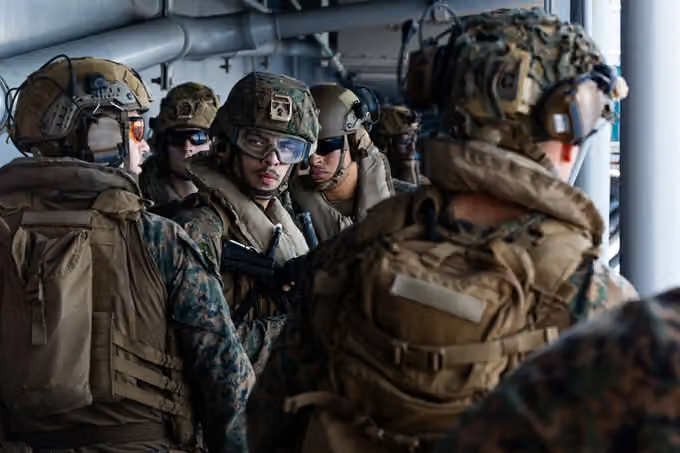
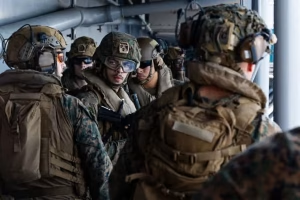
To further strengthen American forces in the war, the 31st Marine Expeditionary Unit and the amphibious assault ship USS Tripoli have been deployed to the Middle East. These Marine units specialize not only in amphibious assaults but also in embassy security, civilian evacuation, and disaster relief operations. US officials have stated that this deployment does not necessarily indicate any ground invasion. Previously, the US Navy had already positioned 12 ships, including the aircraft carrier USS Abraham Lincoln and eight destroyers, in the Arabian Sea.
With the addition of the USS Tripoli, this force will become the second-largest naval presence in the region. Iran continues to launch missile and drone attacks on Israel and neighboring countries in the Gulf region. The Strait of Hormuz, through which about a fifth of the world’s oil passes for global trade, has frequently been disrupted. This has put pressure on oil supplies in the Gulf region and on the international market.
The humanitarian crisis is deepening. Israeli attacks on the Iran-backed Hezbollah militia in Lebanon have resulted in the deaths of approximately 800 people and displaced 850,000. In the Israel-Hezbollah conflict, 773 people have died in Lebanon, including over 100 children and 18 healthcare workers.
The US has struck more than 15,000 Iranian targets since the beginning of the war. The US Secretary of Defense has stated that over a thousand targets are being attacked daily. A US fuel supply aircraft crashed in western Iraq, killing all six crew members. This crash is the fourth publicly confirmed aircraft loss for the US military. Earlier, three US fighter jets were damaged by friendly fire from a partner nation coming from Kuwait.
This conflict has had a severe impact on the global economy, the security situation in the Gulf region, and the humanitarian crisis. Risks to oil and energy supplies have increased, millions of civilians have been displaced, and property has been destroyed. The strong retaliation and war strategies of both sides have made this conflict even more complex and dangerous.