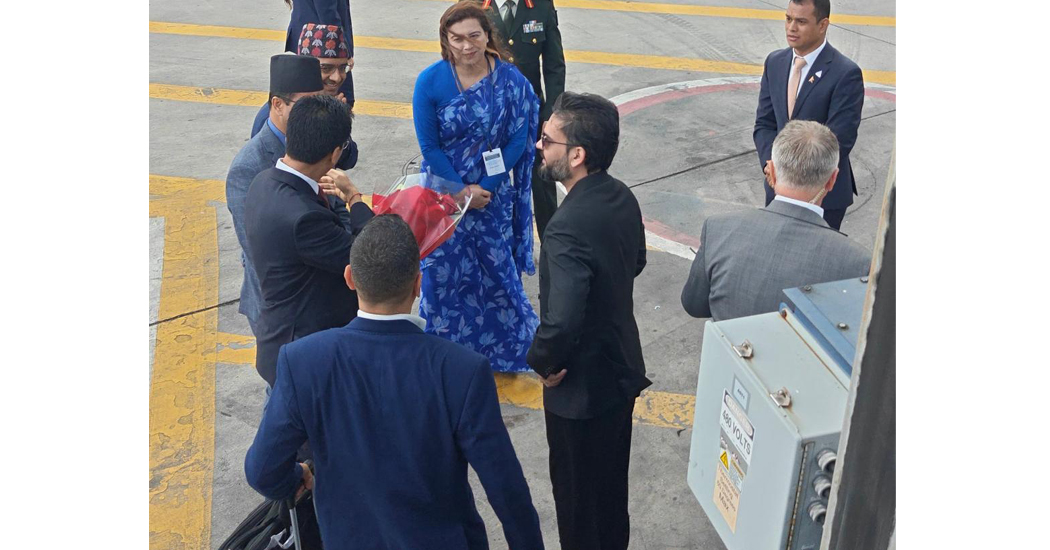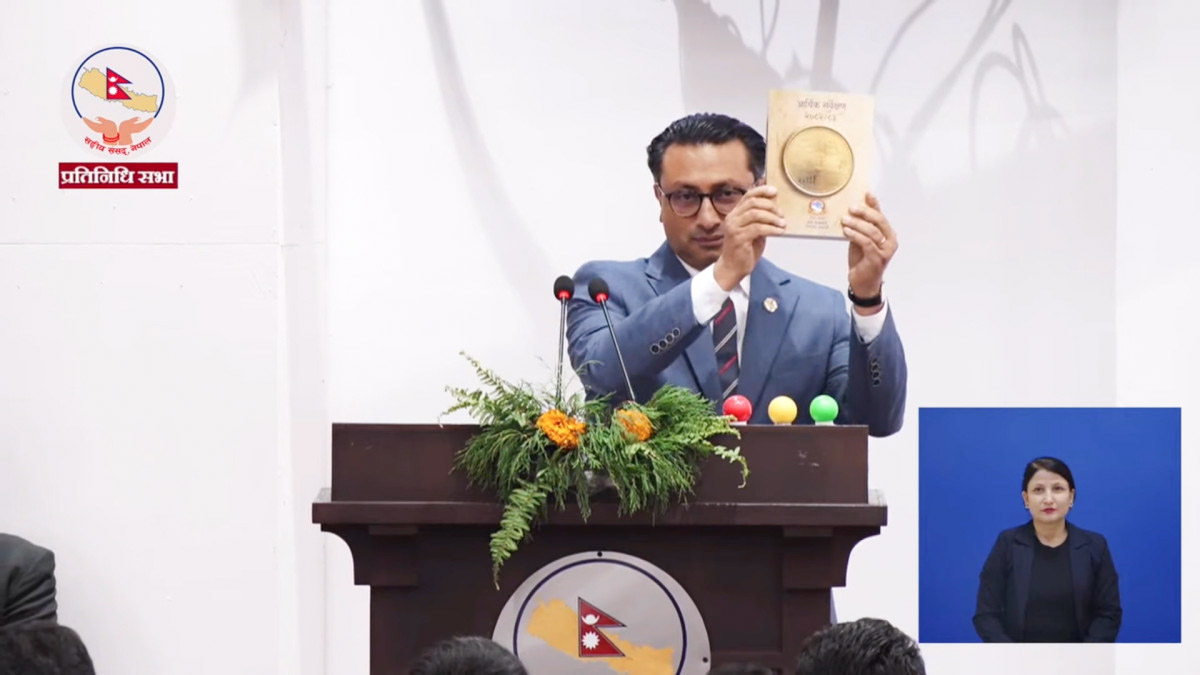
Kathmandu, 27 May: Finance Minister Dr. Swarnim Wagle has presented the Economic Survey for the current fiscal year 2082/83 in the Federal Parliament.
While presenting the survey, he stated that despite global economic uncertainty and regional conflicts, Nepal’s macroeconomic indicators have improved and there has been satisfactory progress in the social sector. According to the survey, Nepal’s economy is estimated to grow by 3.85 percent in the current fiscal year. At a time when the global economy is projected to slow to 3.1 percent, this growth rate is considered positive. The total size of the economy is expected to reach NPR 6,600 billion, and per capita gross national income is projected to reach USD 1,535. Provincially, Bagmati and Gandaki are expected to grow above the national average, while other provinces are likely to remain below average.
According to the survey, agriculture is expected to contribute 24 percent to the gross domestic product (GDP), while the non-agriculture sector will contribute 76 percent. Bagmati Province continues to dominate economic activity, contributing 36.7 percent to GDP. However, the production of the major staple crop, rice, has declined by 4.20 percent to 5.705 million metric tons.
The Finance Minister also reported that federal revenue increased by 3.2 percent up to the month of Falgun in the current fiscal year. Government expenditure rose by 10.4 percent, although capital (development) spending has not seen significant improvement. Total public debt has reached NPR 2,878 billion, equivalent to 43.6 percent of GDP. The government has mobilized NPR 300 billion in public debt this year.
The external sector remains strong. Remittance inflows increased by 37.7 percent to NPR 1,450 billion. Foreign exchange reserves reached a historic high of NPR 3,414 billion, sufficient to cover 18.5 months of imports of goods and services. However, the trade deficit has widened by 11.2 percent to NPR 1,098 billion, posing a challenge to the economy.
The survey also highlights significant progress in digital payments. Transactions through QR codes have exceeded NPR 125 billion by Falgun. Additionally, Nepal received a “BB-” rating with a stable outlook in the 2025 sovereign credit rating, indicating improved international credibility. Inflation remains under control at an average of 2.13 percent.
Nepal has also made progress in human development indicators. The Human Development Index (HDI) has reached 0.622, and life expectancy has increased to 71.3 years. In the health sector, the maternal mortality rate has declined to 151 per 100,000, and the under-five child mortality rate has dropped to 33 per 1,000. In education, the net enrollment rate at the basic level has reached 97.8 percent, while participation in health insurance and the social security fund is steadily increasing.