AI Image
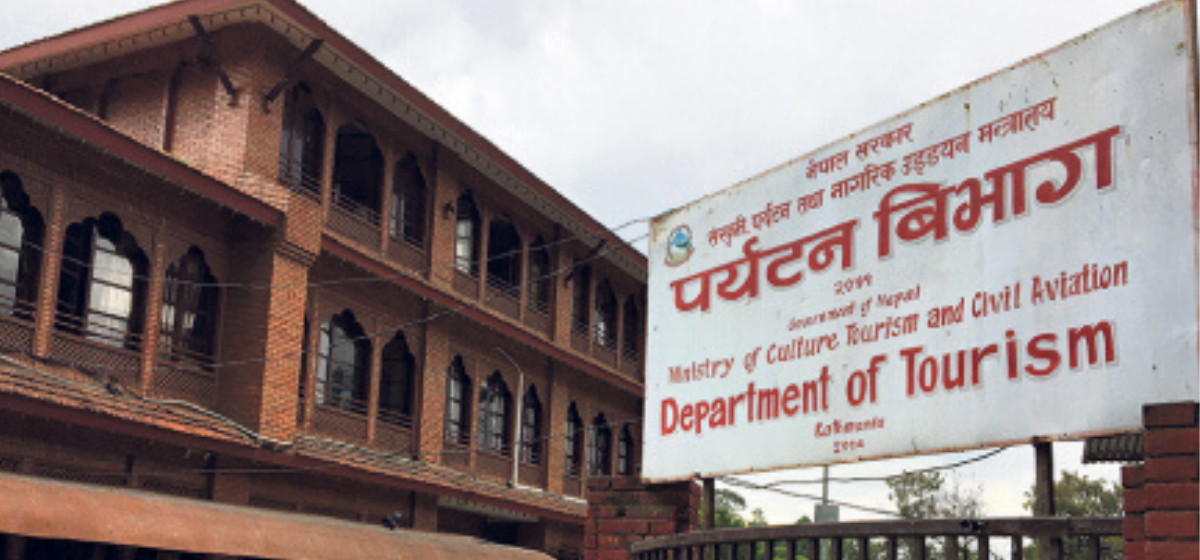
Kathmandu, 16 Aug: The number of doctors registered with the Nepal Medical Council is 38,499, of which 11,000 are specialists. Some of them are foreign doctors as well.
However, there are no exact statistics on how many of the doctors registered with the Medical Council are currently in Nepal.
A study conducted by the Nepal Medical Association in 2015 (2072 B.S.) showed that about 36 percent of doctors were outside the country. At that time, out of 17,000 doctors registered with the Council, only around 11,000 were in Nepal.
In recent times, doctors have been drawn abroad due to the lack of workplace security, salaries that do not match their education and time investment, and the absence of career prospects in Nepal. A clear indication of this trend can be seen in the data on “Good Standing Certificates” issued by the Medical Council.
Doctors registered in Nepal must obtain a “Good Standing Certificate” from the Nepal Medical Council in order to study or work abroad.
However, not everyone who obtains a Good Standing Certificate — which is required to register with foreign regulatory bodies — necessarily goes abroad.
According to council officials, it is estimated that more than 70 percent of those who obtained a “Good Standing Certificate” have gone abroad.
In fiscal year 2081/82 B.S., the number of doctors who obtained a character (Good Standing) certificate to study or work abroad was 2,681. In 2023, while 2,318 doctors obtained a Good Standing Certificate, 2,692 doctors registered with the Council.
Similarly, in 2022, while 2,692 doctors registered, 1,954 obtained a Good Standing Certificate.
In 2022, 1,954 doctors obtained the certificate; in 2021, 1,327; and in 2020, 869.
According to the Medical Council’s data, in 2021, 1,327 doctors obtained a Good Standing Certificate, while 1,716 doctors registered that year.
In 2020, 2,131 doctors registered, and in the same year, 759 obtained a Good Standing Certificate.
Since no consolidated data is kept on those leaving through study programs, fellowships, work visas, or dependent visas, officials at the Nepal Medical Council say the actual number going abroad may be even higher.
There is a continuous outflow of skilled manpower from Nepal’s medical sector. According to the Nepal Medical Council’s statistics, the number of doctors leaving the country has been steadily increasing each year.
In the past five years, 9,000 doctors have obtained a “Good Standing Certificate” from the Medical Council. Among those, the highest number are pursuing opportunities in the United States.
In the last five years, 2,466 doctors obtained the certificate for the U.S. — 276 in 2020, 273 in 2021, 496 in 2022, 843 in 2023, and 2,466 in fiscal year 2081/82 B.S.

Doctors strike for their rights
The number of doctors pursuing the process to go to the United Kingdom is also alarming.
In the past five years, 2,128 doctors have obtained certificates to go to the United Kingdom. According to the Council’s data, 162 received them in 2020, 319 in 2021, 592 in 2022, 505 in 2023, and 550 in 2024.
Similarly, for the Maldives, 216 doctors obtained certificates in 2020, 403 in 2021, 453 in 2022, 395 in 2023, and 384 in 2024. The statistics also show that the number of doctors going to Australia, the UAE, Canada, and Qatar is steadily increasing.
According to Council Registrar Dr. Satish Kumar Dev, the trend of doctors leaving for abroad has grown significantly in recent years. He explained that the Good Standing Certificate is required for doctors planning to study, train, pursue fellowships, or work abroad.
“Doctors have a strong attraction towards countries like the UK, USA, Maldives, Australia, and the UAE,” he said. Most doctors going to the United States aim to participate in residency programs. For the Maldives and the UAE, the main purpose is employment. For Australia, the number going for both study and employment is notable.
Dr. Dev warned that the exodus of doctors
could lead to a shortage of skilled manpower in Nepal in the future. According to him, salaries in the Maldives are at least six to seven times higher than in Nepal, in Qatar eight to ten times higher, and in the United States many times higher.
“Unless the state provides attractive opportunities and a better standard of living, it will be difficult to retain skilled doctors,” he said.
Exodus affects treatment
The rapidly growing migration of doctors abroad has already created a shortage of specialists in certain fields dealing with complex diseases.
For the past few years, no doctors have enrolled in DM and MCh (super-specialist research degree) entrance exams for disciplines such as cardiac surgery, nephrology, and hepatology.
Experts say that in surgical fields like cardiac surgery, and in super-specialist studies of kidney and liver, the number of doctors enrolling has been either zero or very low in recent years.
As a result, while diseases related to the heart, kidneys, and liver continue to rise, the lack of interest among doctors in pursuing these specializations means that within the next few years, Nepal is likely to face an acute shortage of such specialists.

There are several reasons behind the declining attraction toward specializations such as cardiac surgery, neurosurgery, nephrology, and hepatology.
The main reasons include the long and complex nature of the studies, highly demanding and labor-intensive work, low salaries and allowances relative to the effort, high-risk work, and the lack of guaranteed employment—either in private hospitals after retiring from government service or even continued job security within government hospitals.
Tendency to Settle Abroad While Studying
In Nepal, becoming a doctor requires five years and six months of study at the undergraduate level. For postgraduate studies, it takes three years for MD/MS and an additional three years for DM/MCh programs. Due to the required work experience for higher studies, many doctors are around 40 years old by the time they complete their education. More than half of a Nepali doctor’s life is spent in study.
However, after investing 12–15 years of life and millions of rupees in education, doctors often find limited job opportunities and very poor service benefits in Nepal, which increases their inclination to go abroad.
The country’s economic, political, and social instability exacerbates this situation, particularly affecting doctors, who face significant professional frustration.
Dr. Jagdish Prasad Agrawal, former Dean of the Institute of Medicine (IOM), warns that the continued exodus of skilled doctors from Nepal will seriously affect the quality of healthcare services in the coming years. According to him, most highly capable doctors who pass the Nepal Medical Council licensing exams are preparing to go abroad.
In 10 years, Nepal may have to Bring Doctors from Abroad
Dr. Anil Karki, President of the Nepal Medical Association, has warned that the rate of health worker and doctor migration from Nepal is accelerating rapidly. He emphasized that immediate policy reforms are necessary to curb this trend.
According to him, the state’s insufficient investment in the health sector, poor human resource management, low salaries and benefits, legal complexities, and workplace insecurity have caused deep frustration among doctors.
“If this situation is not addressed, Nepal may face a scenario in 10 years where doctors will have to be brought from abroad to provide treatment,” Dr. Karki said.

AI Image
He noted that high salaries, better living standards, and safer work environments abroad have intensified the trend of doctors leaving the country.
Dr. Karki identified several key reasons driving migration: the scholarship contract system, the mandatory one-year work experience before pursuing a master’s degree, lack of permanent positions, stagnant salaries and benefits, and excessive workload.
He stressed that the government must provide social, economic, political, and workplace security, as well as sufficient services and benefits, to retain skilled manpower returning from abroad.
Urging the government to increase investment in the health sector, improve facilities, remove policy barriers, and ensure workplace safety, Dr. Karki said, “Complaining about doctors going abroad is not enough; we must cultivate a habit of finding solutions.”