Kathmandu, May 29. The World Meteorological Organization (WMO) has projected that the global average temperature over the next five years (2025-2029) will be 1.5°C higher than the pre-industrial average (1850-1900 baseline). This forecast compares temperatures against the 50-year average from 1850-1900.
In a report released on Wednesday, the WMO stated there is an 80% probability that 2024-2029 will break all previous records, surpassing even 2023 as the hottest year ever recorded. Additionally, there is an 86% chance that at least one year during this period will exceed 1.5°C above pre-industrial levels.
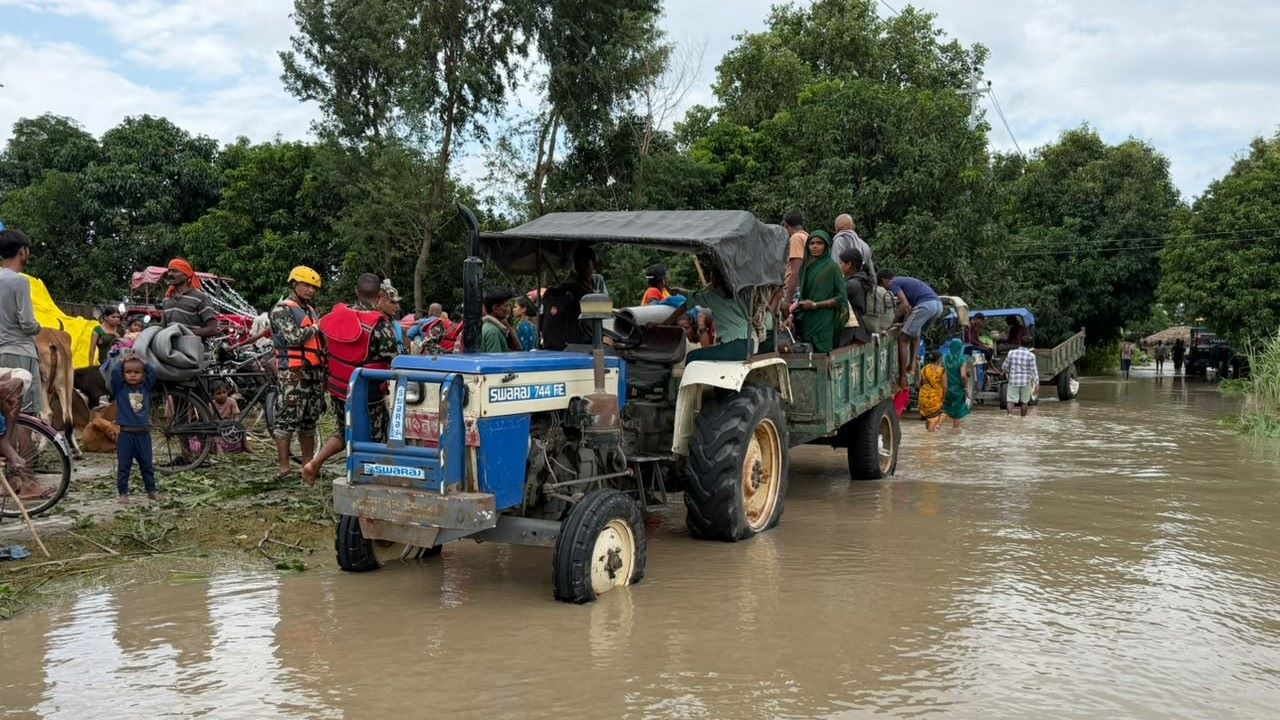
The likelihood of the five-year average temperature exceeding 1.5°C has risen to 70%—a 26% increase from last year’s forecast (47% for 2024-2028). In 2023, this probability was just 32%, indicating a steady rise in global temperatures. Scientists warn that even small annual increases in temperature can have severe consequences, including more frequent heatwaves, extreme rainfall, severe droughts, glacier melt, and rising sea levels.
Arctic Warming at Alarming Rate
The Arctic is expected to warm 3.5 times faster than the global average, further accelerating ice melt and sea-level rise. The WMO predicts that the Arctic’s temperature during 2025-2029 will be 2.4°C higher than the 1991-2020 average. Sea ice levels are also projected to decline, particularly in the Barents Sea, Bering Sea, and Okhotsk Sea.
Regional Climate Shifts
-
Amazon: Increased risk of drought
-
South Asia & Northern Europe: Higher rainfall
-
Sahel, Alaska, and Northern Siberia: Above-average precipitation
Impact on Nepal
While the WMO report does not specifically mention Nepal, forecasts for South Asia remain relevant. Rising temperatures in the Himalayas could lead to:
-
Glacier loss (75-80% by 2100)
-
Increased flooding and landslides
-
Disruptions in agriculture, water supply, and hydropower
-
Food security challenges due to erratic rainfall and heat stress
Vulnerable Populations at Greater Risk
Marginalized communities—daily wage laborers, refugees, pregnant women, children, and the elderly—are disproportionately affected by extreme heat. According to the International Labour Organization (ILO), nearly 70% of the global workforce faces dangerous heat exposure, with Africa and Asia being the hardest hit.
Economic Consequences
Heat stress could cost the global economy $2.4 trillion by 2030.
2025: A Decisive Year for Climate Action
The WMO emphasizes that 2025 will be critical for implementing stronger climate adaptation plans to meet the Paris Agreement’s goal of limiting warming to below 2°C. Reducing fossil fuel use, expanding renewable energy, and increasing climate adaptation funding remain urgent priorities.