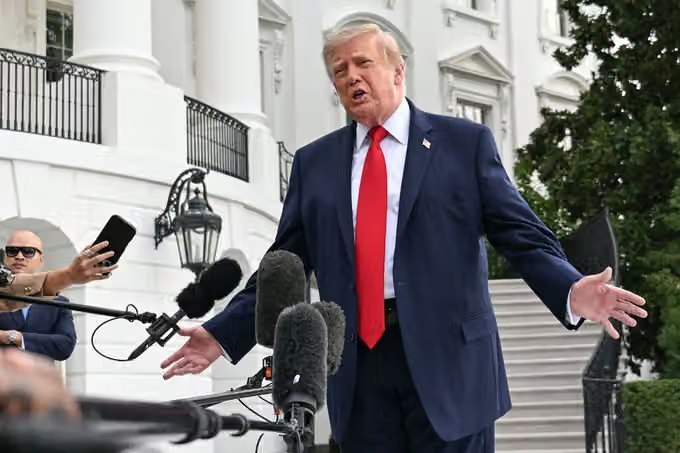
U.S. President Donald Trump has announced that a 25% tariff will be imposed on goods imported from India, effective Friday.
President Trump has long accused India of maintaining a large trade surplus with the U.S. and creating unnecessary barriers to American goods. He claims that high Indian tariffs have prevented U.S. companies from expanding their exports to the Indian market.
Trump also criticized India for purchasing large quantities of energy and military equipment from Russia, even during the ongoing Russia-Ukraine war.
The 25% tariff on Indian products is notably higher than the 20% or lower tariffs recently imposed on Asian countries such as Indonesia, the Philippines, and Japan, signaling a tougher U.S. stance toward India.
Analysts suggest this decision may disappoint global companies shifting their factories from China to India. India is emerging as a major hub for electronics, pharmaceuticals, and especially smartphone production, and is projected to overtake China in smartphone manufacturing this year. If the new tariffs remain in place long-term, companies may reconsider investing in India and look elsewhere in Asia.
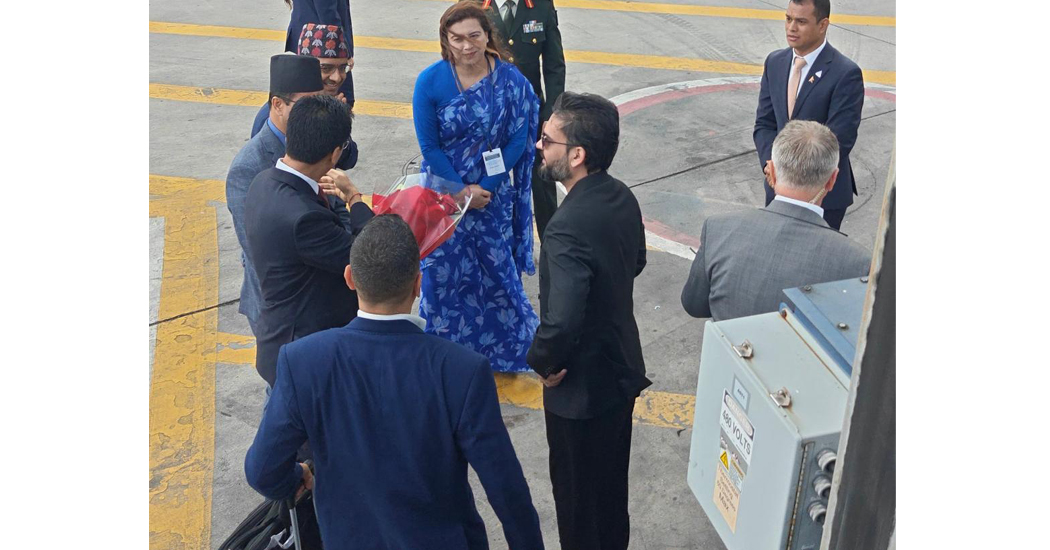
This announcement came as a surprise, as recent years had seen a warming relationship between Trump and Indian Prime Minister Narendra Modi, with ongoing discussions about a bilateral trade agreement.
The U.S. had reportedly demanded greater access to India’s agricultural and dairy markets, which India declined. Analysts believe this trade conflict could raise serious concerns about the future of trade, cultural, and strategic relations between the world’s two largest democracies.
Earlier this year, on April 2, Trump announced a plan to impose a 10% tariff on all trade partners and higher “reciprocal” tariffs on major rivals, offering rewards to nations that didn’t retaliate and threatening even higher tariffs on those that did.
While China retaliated, most other countries did not. Facing the risk of damaging the U.S. economy, Trump rolled back the higher tariffs for over 70 countries within a week and instead imposed a uniform 10% tariff.
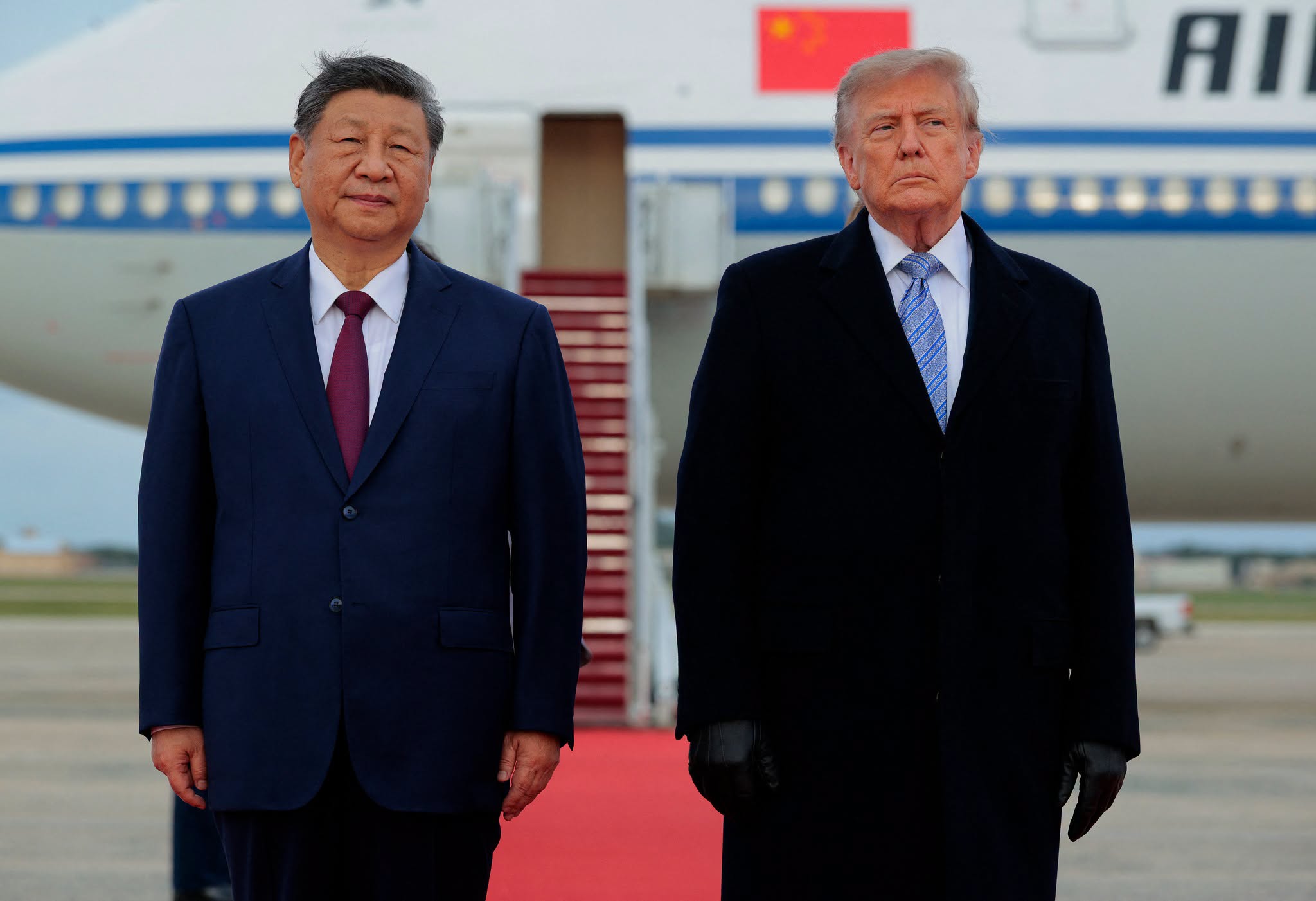
As the U.S.-China trade war escalated, tariffs reached 145% on Chinese goods and 125% on U.S. goods in China. Following talks in Geneva in May, both nations agreed to reduce tariffs by 115 percentage points for 90 days. That deadline with China ends on August 12.
The 90-day negotiation window with over 70 other countries expired on July 9, but Trump extended it to August 1, reaching deals with some, including the European Union. If no agreement is reached by August 1, Trump has warned of new high tariffs.
India had been trying to avoid a deal on agricultural and dairy imports, citing concerns over genetically modified U.S. crops and animal-feed-based dairy. India’s farmers are a politically influential group, and there has been resistance to opening the market to U.S. maize, soybeans, rice, wheat, and animal-based dairy products.
While India offered to increase imports of U.S. natural gas, dry fruits, and auto parts, no formal agreement was reached. As a result, Trump announced on Wednesday that a 25% tariff will apply to all Indian goods starting Friday.