Israeli Prime Minister Benjamin Netanyahu has stated that the war against Iran is “destroying” it and will end sooner than many had feared.
Following Netanyahu’s remarks, the price of crude oil fell on Friday.
Traders also welcomed comments from U.S. President Donald Trump. On Wednesday, after an attack on a major gas field in the Gulf state of Qatar, and following Iran’s warning of retaliation against fuel processing centers in the Gulf, President Trump said that Israeli forces would not target any of Tehran’s energy infrastructure.
As the conflict enters its fourth week, investors have been expressing concerns about the energy market, and interest from new investors in owning energy facilities in the Gulf region has largely declined. The price of oil remains around $100 per barrel, but gas prices have surged amidst an effective blockade of the Strait of Hormuz, which is considered vital for fuel supplies.
Claiming that Israel and the United States are “achieving victory and devastating Iran,” Netanyahu said, “The Islamic Republic no longer has the capability to process uranium or produce ballistic missiles.”
“This war is ending much faster than people think,” he said without specifying a timeline.
Netanyahu also stated, “Israel will assist the United States in its efforts to secure the Strait of Hormuz, through which one-fifth of the world’s oil and gas flows.”
Netanyahu’s remarks came after Washington stated that there was no timeline for ending the war against Iran, which began on February 28.
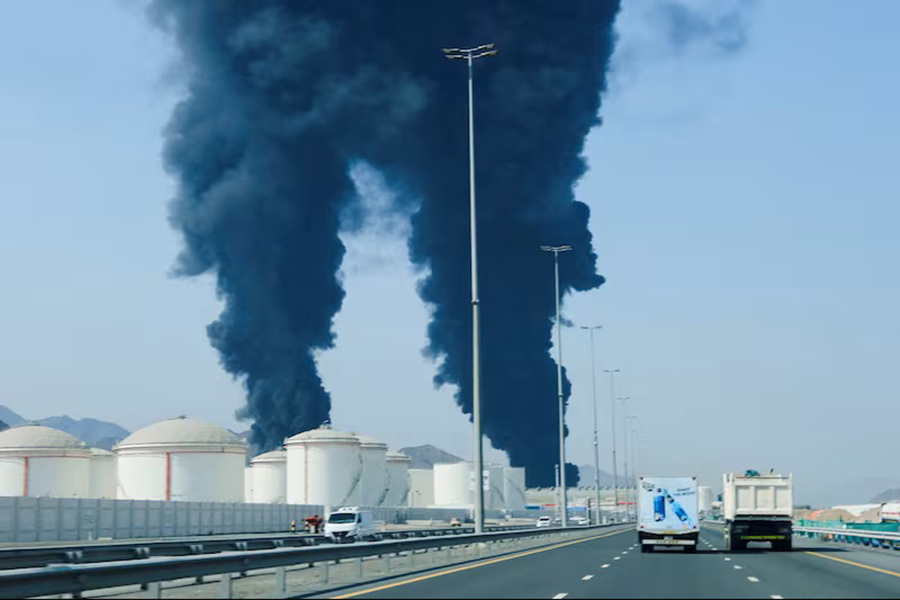
Prior to Netanyahu’s comments, crude oil prices had reached as high as $119 per barrel after Tehran attacked several energy sites around the Gulf in retaliation for an Israeli strike on its South Pars field.
When asked whether he had discussed attacking Iran’s gas fields with the prime minister, President Trump said, “I have spoken. I urged the Israeli official not to target fuel production and processing facilities, and he will not do so.”
He had previously warned Iran, stating that if Tehran did not cease its attacks on Qatar, U.S. forces would “extensively bomb” the South Pars region.
Meanwhile, French President Emmanuel Macron stated that his country, along with the permanent members of the United Nations Security Council, is planning to establish a framework under the United Nations.
As Gulf states face new attacks, signaling that a swift end to the conflict is unlikely, Israel launched a wave of strikes on Tehran on Friday, while Iran targeted neighbors by carrying out a drone attack on an oil refinery in Kuwait.
Stephen Innes of SPI Asset Management wrote, “Netanyahu’s comments have poured a soothing balm on sentiment, with talk of securing the Strait and claims that Iran’s nuclear and missile capabilities have been neutralized, bolstering the idea that this conflict could end sooner than feared.”