Millions of Syrians will return home by the end of 2025. UN warns: “Don’t force them to go back.”
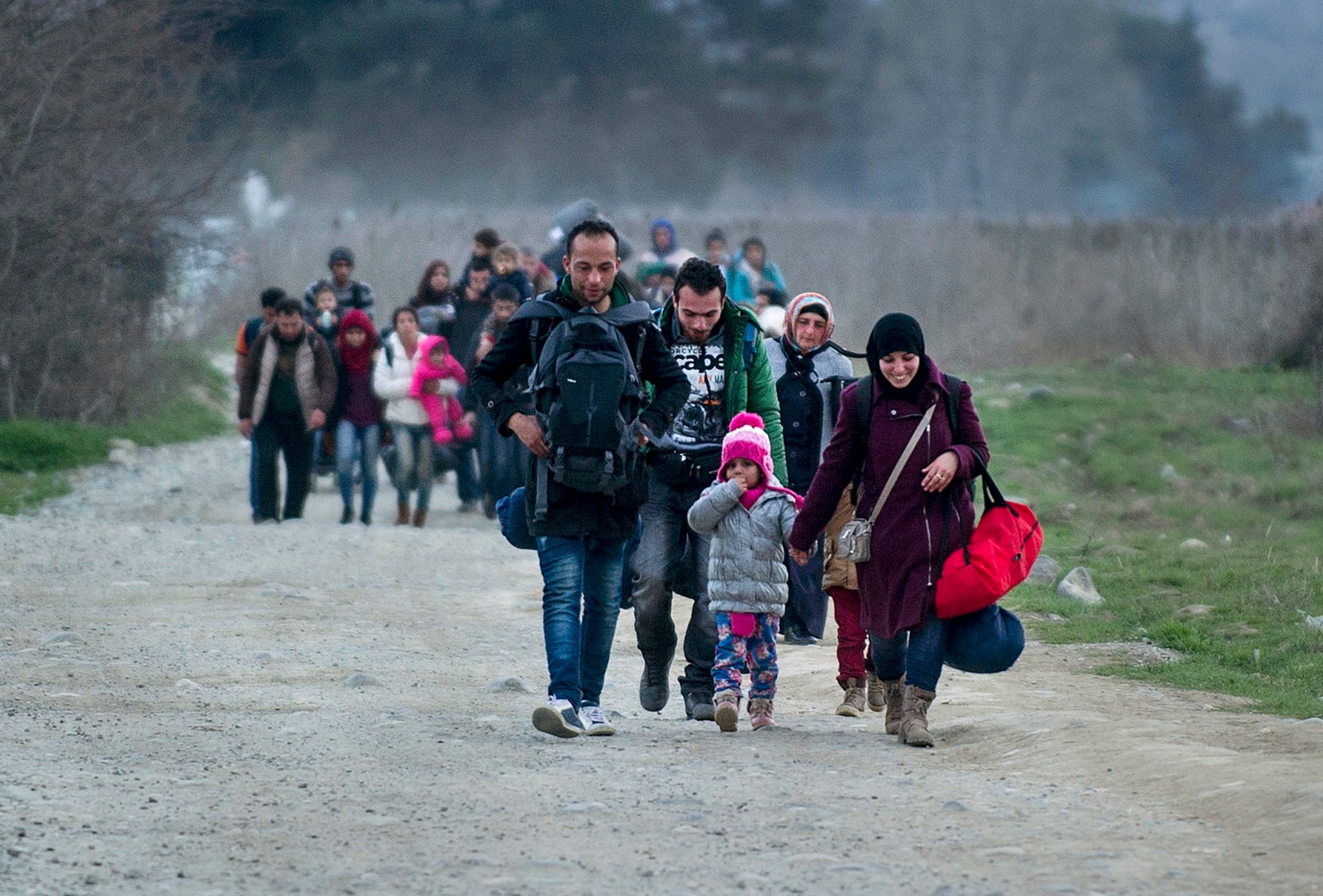
The United Nations High Commissioner for Refugees (UNHCR) expects millions of Syrian refugees to return to their country by the end of 2025, but at the same time is warning against forced returns, particularly by countries like the Netherlands.
According to UNHCR estimates, more than 3-5 million Syrians are expected to return out of a total of 13.5 million refugees, including 2 million internally displaced persons and 1-5 million refugees from neighboring countries such as Turkey, Lebanon, and Jordan. The current number of Syrian refugees is approximately 13.5 million, including more than 6 million outside the country.
Parool quoted a UN source as saying that Syria is a “bright spot,” as refugees have begun returning to their homeland and areas of origin since the overthrow of President Bashar al-Assad in December 2024. By May, the number of returnees had reached approximately 1.7 million people, including 1.2 million internally displaced persons and half a million refugees who returned from abroad.
Despite this progress, the UNHCR stressed the need not to force refugees to return, affirming that “they have the right to protection in the countries to which they have sought refuge.” This warning is all the more important in light of the Dutch government’s recent announcement of its intention to tighten asylum procedures for Syrians.
David van Wiel, acting Minister for Asylum (VVD), stated that Syrians whose applications are still being processed, or new arrivals, will be subject to more stringent assessments.
The number of Syrians residing in the Netherlands is estimated at around 150,000, including those who have obtained residency permits and others who are still in the early stages of asylum applications.
Concrete plans for return
In a survey conducted by the UNHCR, Syrians residing in neighboring countries expressed a strong desire to return, while the situation was different for those living in more distant countries, such as the Netherlands. Only 3% of them reported having concrete plans to return in 2025, while more than 80% wanted to stay, and 13% had not yet decided.
The reluctance of many to return is attributed to several factors, most notably concerns about damaged or destroyed housing, in addition to the ongoing security challenges despite the fall of the former regime. Difficult economic conditions, electricity outages, water shortages, and weak infrastructure, as well as health and education services, are all reasons pushing Syrians to postpone their return, despite their longing for their homeland. The vulnerability of refugees around the world
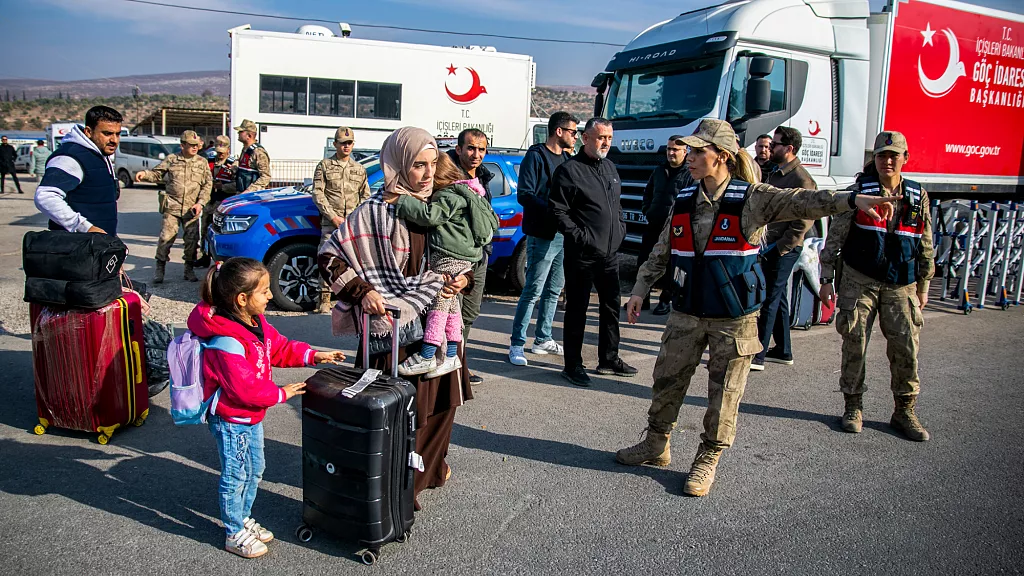
In its annual report, the UNHCR expressed growing concern about the global refugee crisis, as the number of displaced people worldwide rose again, exceeding 120 million. Sudan has become the world’s largest refugee country (14.3 million), followed by Afghanistan (10.3 million), and Ukraine (8.8 million).
The UNHCR noted that the number of refugees has nearly doubled compared to ten years ago, while its budget has remained unchanged since 2015, forcing it to make “draconian and ongoing cuts to humanitarian aid,” which it described as “an unbearable situation that increases the vulnerability of refugees around the world.”