Kathmandu, 15 Jul: Nepal will still need more time to begin exporting buffalo meat to China. Although an agreement to export buffalo meat from Nepal to China was signed a year and a half ago, actual exports have not yet started. During Prime Minister KP Sharma Oli’s visit to China last year, an understanding was reached between the two countries regarding the export of buffalo meat from Nepal.
Accordingly, in Poush 2080 (December 2023–January 2024), an agreement was signed between Himalayan Food International Pvt. Ltd. from Nepal and Shanghai Jian Food Co. Ltd. from China to begin meat exports.
As per the agreement, the Chinese company Jian will invest in Nepal through Himalayan Food for buffalo farming, meat processing, and export. Investments will be made in commercial buffalo farming, breed improvement, construction of international-standard slaughterhouses, and the establishment of meat processing industries. Jian is an experienced company in meat processing and sales, with over 6,000 outlets across China.
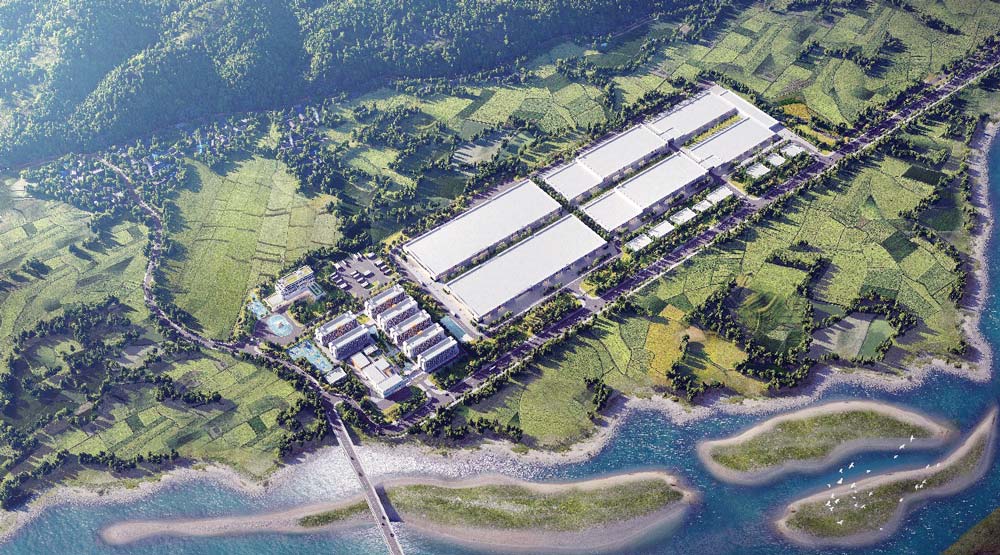
Following the agreement, preparations are underway to start infrastructure development in Marin, Sindhuli, from Bhadra (August/September). Dr. Naveen Sharma, Chairman of Himalayan Food International Pvt. Ltd., stated that land has already been purchased in Sindhuli and infrastructure development work is in progress.
Due to land ceiling regulations, the approval process for acquiring land has caused some delays. According to Dr. Sharma, the company plans to purchase 50 bighas of land in Marin Rural Municipality for buffalo farming. Of that, 10 bighas have already been approved, and an additional 40 bighas—which exceed the land ceiling—will be approved through official consent. Once approved, infrastructure construction will begin, and buffalo farming will be initiated from Bhadra.
The design for the factory and other infrastructure has already been completed.
Since there is high demand for healthy meat in China, the health status of buffaloes has become a sensitive issue. The Ministry of Agriculture and Livestock Development has designated certain disease-free zones for buffalo farming and meat production. The ministry has declared Ilam, Sindhupalchok, and Makwanpur as disease-free zones, as they have strong potential for buffalo farming and meat production.
According to international protocols for meat export, buffaloes must be raised in disease-free areas and slaughtered in hygienic slaughterhouses. Senior veterinarian Dr. Tapendra Prasad Bohora from the ministry said that technical facilitation is underway to support meat export.
“There is a large market for meat exports to China,” he said. “The ministry is providing technical facilitation, while the private sector is handling infrastructure development.”
He added that with the market already identified, meat exports could bring in foreign currency and help reduce the trade deficit—if the private sector can successfully produce and export meat. Cooperation from all three levels of government is essential to support the private sector in this endeavor.
Dr. Naveen Sharma, Chairman of Himalayan Food International, stated that an estimated Rs. 27 billion will be required to build the factory and support buffalo farming, including land purchase. The buffalo farm is being established in Marin with Chinese investment, and Nepalese investors are also involved. The goal is to complete all necessary preparations and begin exports within a year.
According to Dr. Sharma, the plan is to operate a large buffalo farm and export 500 tons of meat per day from 5,000 buffaloes. Himalayan Food has already started planting grass for buffalo feed in Gulariya, Bardiya. To engage farmers across the country, buffalo farming groups have been formed.
According to the Ministry of Agriculture and Livestock Development, there were 3.307 million buffaloes in the fiscal year 2080/81, compared to 3.081 million in 2079/80. The data shows an increasing trend in buffalo population, with a target of reaching 5 million buffaloes within the next three years. In recent times, buffalo meat has also been used extensively in momo (dumpling) production.