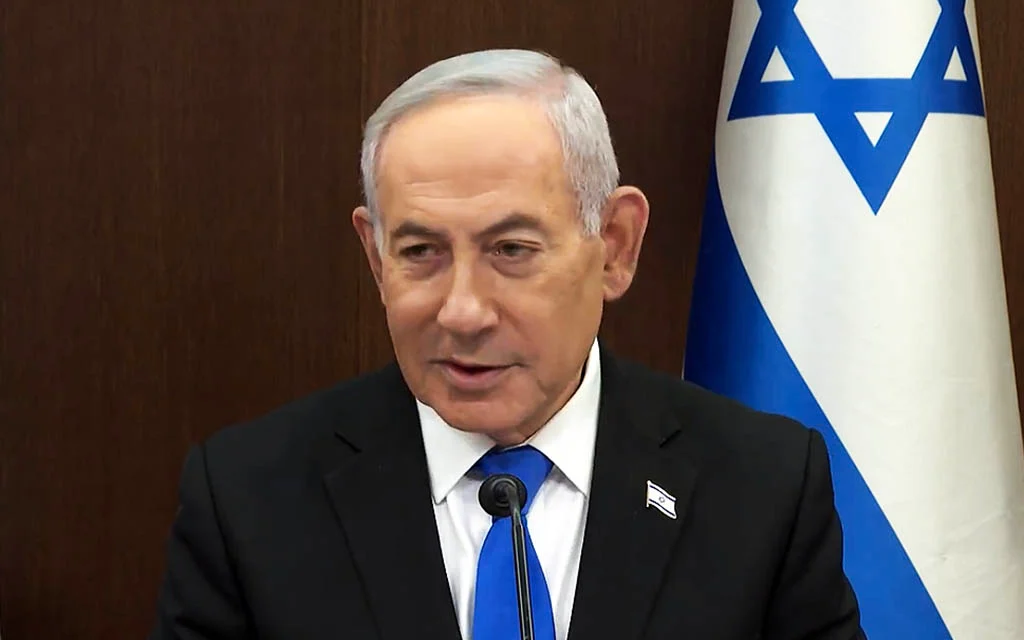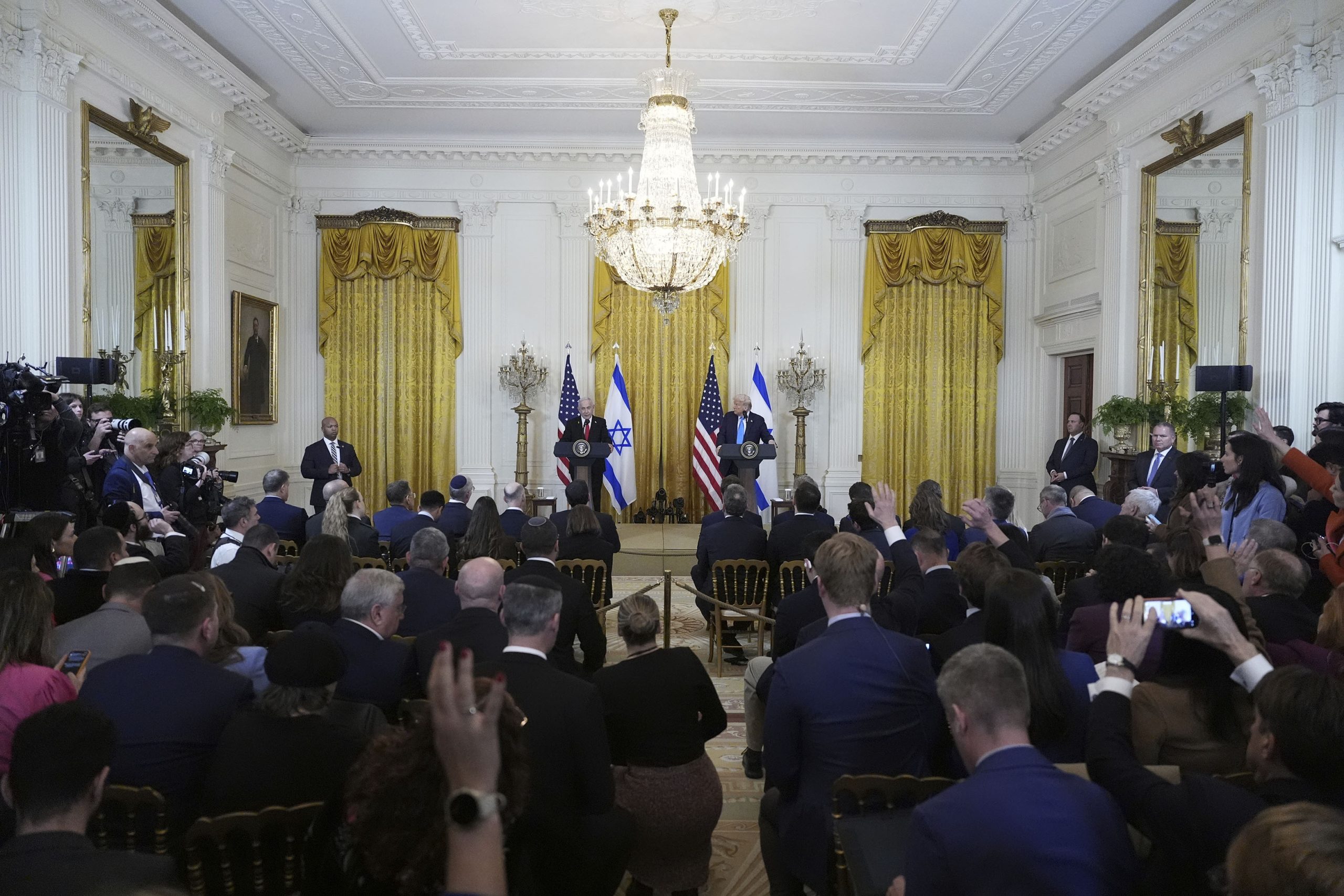
Israeli Prime Minister Benjamin Netanyahu’s recent visit to Washington, D.C., to meet with U.S. President Donald Trump was primarily focused on addressing the ongoing situation in the Gaza Strip and discussing broader Middle East strategies. A central topic of their discussions was the fragile ceasefire between Israel and Hamas, particularly as negotiations move into the second phase, which aims to secure the release of all Israeli hostages held in Gaza.
During the meeting, President Trump proposed a controversial plan for the U.S. to assume long-term control over the Gaza Strip, suggesting the displacement of Palestinians to neighboring countries and extensive redevelopment of the area. He emphasized that U.S. oversight would bring stability to the Middle East and envisioned transforming Gaza into the “Riviera of the Middle East.” This proposal has been met with significant criticism from various quarters, including Democratic lawmakers, senior Hamas officials, and international human rights organizations, who view it as reckless and a potential catalyst for further chaos.
Additionally, Netanyahu and Trump discussed strategies to prevent Iran from acquiring nuclear weapons, reaffirming their shared commitment to countering Iran’s influence in the region. This aligns with the broader U.S. policy of applying “maximum pressure” on Iran through sanctions and other measures.

Netanyahu’s visit underscores the strong alliance between Israel and the United States and highlights the collaborative efforts of both nations to address complex challenges in the Middle East.
Israel has stated its goal of eliminating Hamas’ military and governing capabilities, but as of now, the group has not been completely eradicated. The situation remains fluid, with ongoing military actions, negotiations, and international involvement.