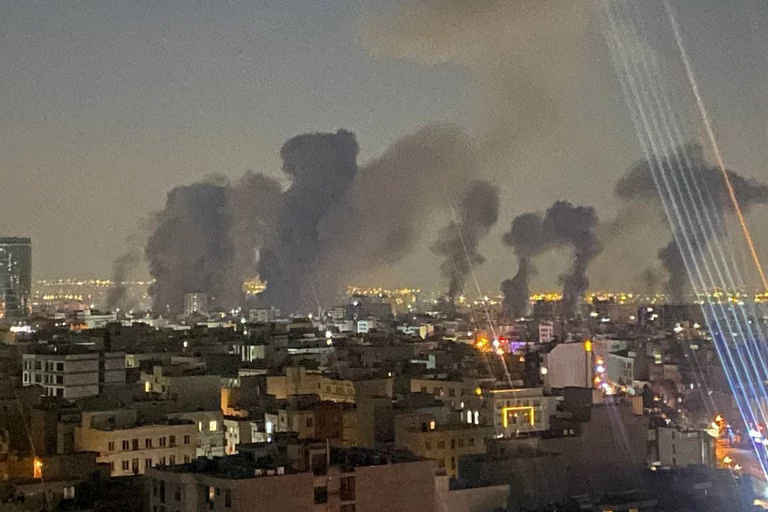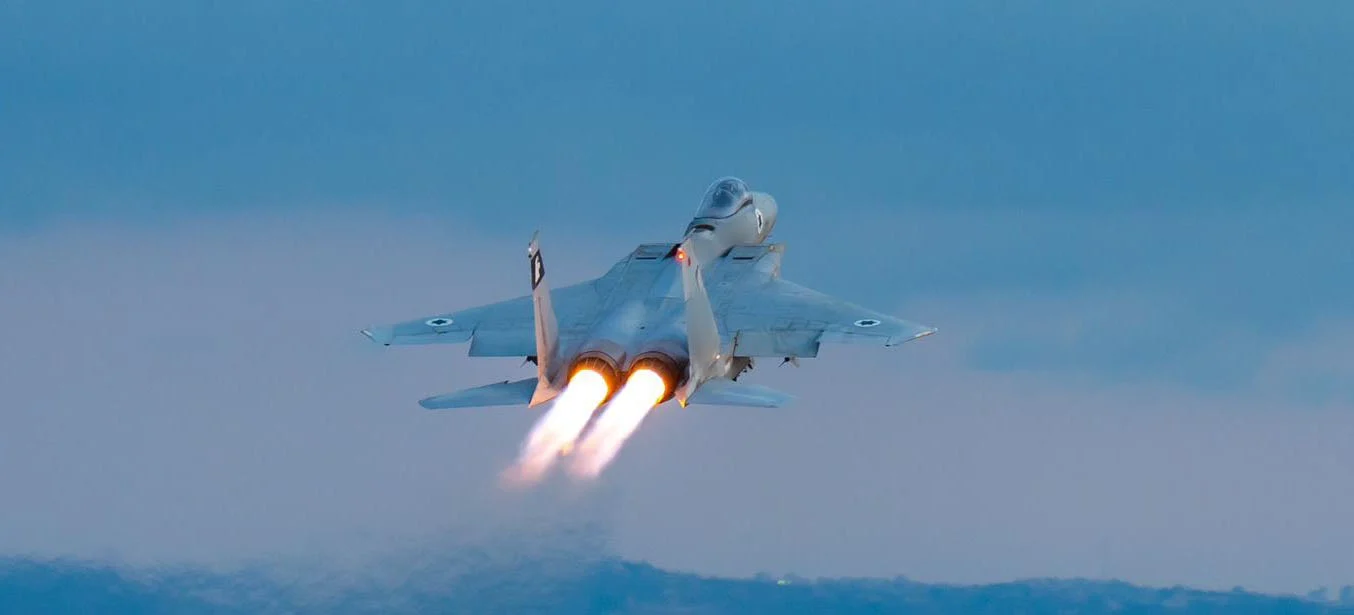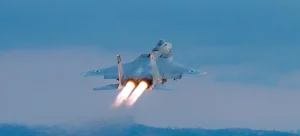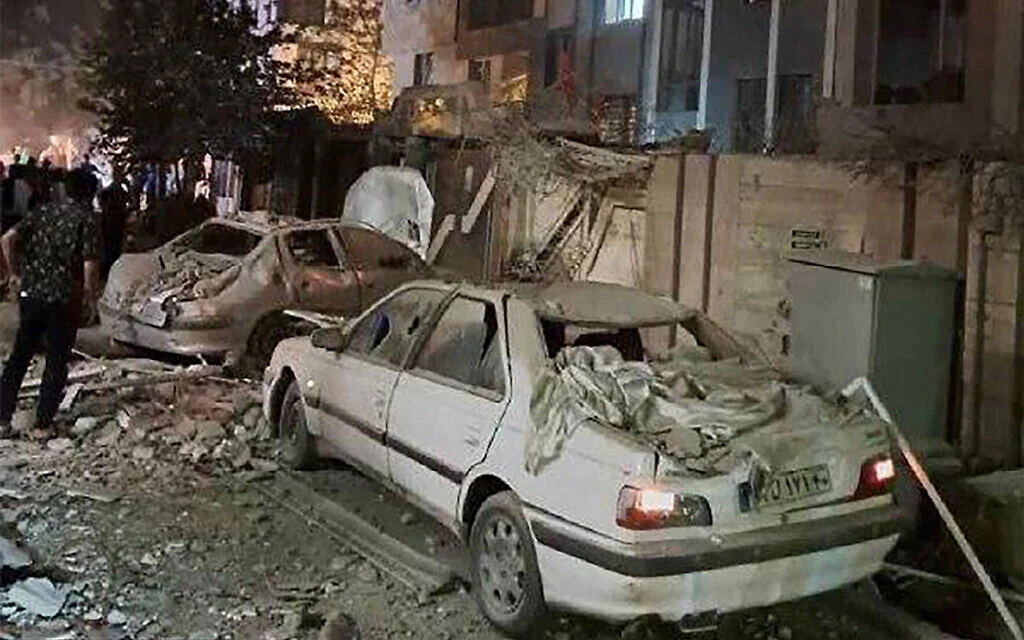
Early Friday morning, the Israel Air Force conducted multiple waves of strikes on Iran, including the Natanz nuclear facility, killing high-value targets such as the chiefs of the IRGC and the Iranian military, and nuclear scientists at the forefront of Iran’s nuclear weapons program.
These strikes, named Operation Rising Lion, are still ongoing, with security officials estimating them to continue for days or weeks.
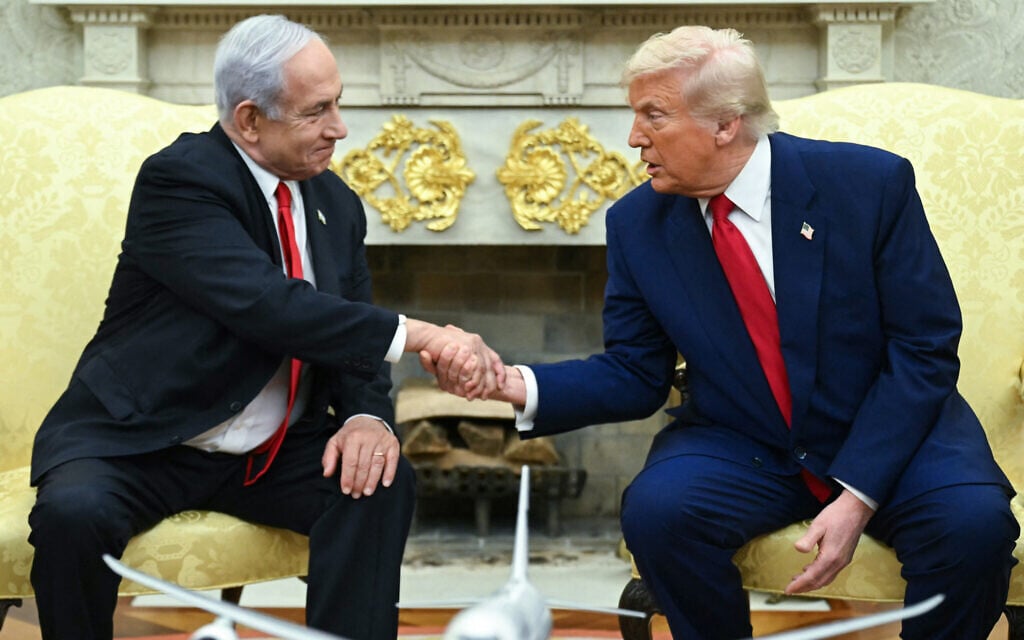
The strikes were in “full coordination” with the US, as Secretary of State Marco Rubio announced shortly after the strikes began, but conducted without US assets or support.
“President Trump and the administration have taken all necessary steps to protect our forces and remain in close contact with our regional partners. Let me be clear: Iran should not target US interests or personnel,” Rubio said.
Trump recommends Iran come back to negotiating table after strikes
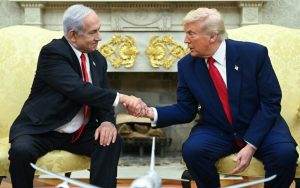
Trump commented on the strikes on a post on Truth Social, saying, “I gave Iran chance after chance to make a deal. I told them, in the strongest terms, to ‘just do it,’ but no matter how hard they tried, how close they got, they just could not get it done,” the US president wrote.
Trump further called on Iran to reach a deal, as “there is still time to make this slaughter and the next come to an end..Iran must make a deal, before there is nothing left.”
In short:
-
Israel has launched “Operation Rising Lion”—a significant, multi-wave airstrike campaign targeting Iran’s major nuclear facilities (including Natanz), missile infrastructure, and military leadership. Dozens of senior Iranian officials, such as IRGC commander Hossein Salami and armed forces chief Mohammad Bagheri, were reportedly killed.
-
The strikes continue and Israel is urging the U.S. to join further operations, saying the campaign could last days or weeks. While U.S. coordination has been confirmed, American involvement remains limited to strategic warning and intelligence sharing—no direct military participation has been authorized so far.
-
U.S. reaction: Secretary of State Marco Rubio emphasized that, although Israel acted in self-defense and informed Washington, the U.S. did not provide operational support. Meanwhile, former President Trump urged Iran to seize diplomatic opportunities, warning of further consequences if dialogue fails.
-
Tensions are high: Iran retaliated by launching over 100 drones toward Israel, all of which were intercepted. Neighboring countries—including Saudi Arabia, Turkey, and the UK—are urging de-escalation and diplomacy.
-
Global impact: The UN’s nuclear watchdog, the IAEA, has expressed deep concern. Oil prices have surged in response. Meanwhile, the U.S. is considering reducing forces in the region and relocating diplomats as a precaution .
Overall, Israel has launched a major, coordinated aerial assault and is seeking direct U.S. involvement in further strikes. The U.S. has not joined militarily but remains allied. Iran has responded with drone launches, and the international community is now pushing for diplomatic solutions.