Chhath is a significant festival celebrated with great devotion and energy in Nepal, particularly in the Terai region. It’s dedicated to the worship of the Sun God (Surya) and Chhathi Maiya (Goddess of the Chhath). The festival typically lasts four days and involves rituals of gratitude, prayer, and offering to ensure prosperity, good health, and longevity. It usually falls in late October or early November, around six days after the Hindu festival of Diwali.
Key Highlights of Chhath in Nepal
-
Four Days of Rituals:
- Day 1 (Naha Kha): Devotees start by cleansing themselves and their surroundings. They take a holy bath, purify their homes, and prepare for the upcoming rituals.
- Day 2 (Lohanda and Kharna): Fasting begins, with devotees abstaining from water after a single meal. The fast is observed until the end of the next day.
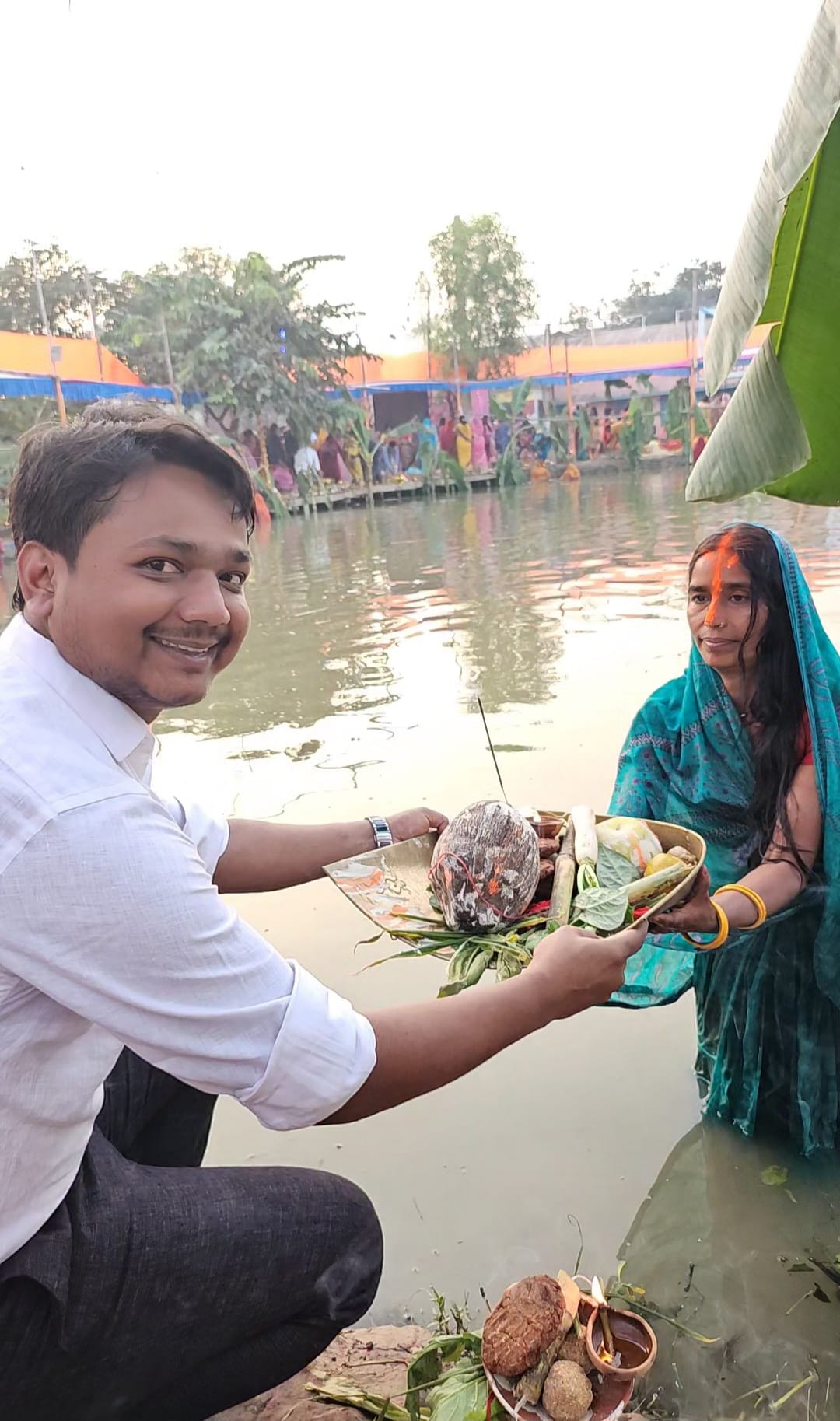
- Day 3 (Sandhya Arghya): The most important day, devotees offer arghya (offerings) to the setting sun at riverbanks or ponds, praying for prosperity and health.
- Day 4 (Usha Arghya): Early in the morning, devotees offer prayers to the rising sun, concluding their fast after worship. Families and communities gather to celebrate and break the fast with traditional foods.
-
Offerings and Devotion: During Chhath, traditional offerings include fruits, thekua (a special sweet made from wheat flour, sugar, and ghee), and other homemade delicacies. Devotees carry these items in bamboo baskets, symbolizing simplicity and purity.
-
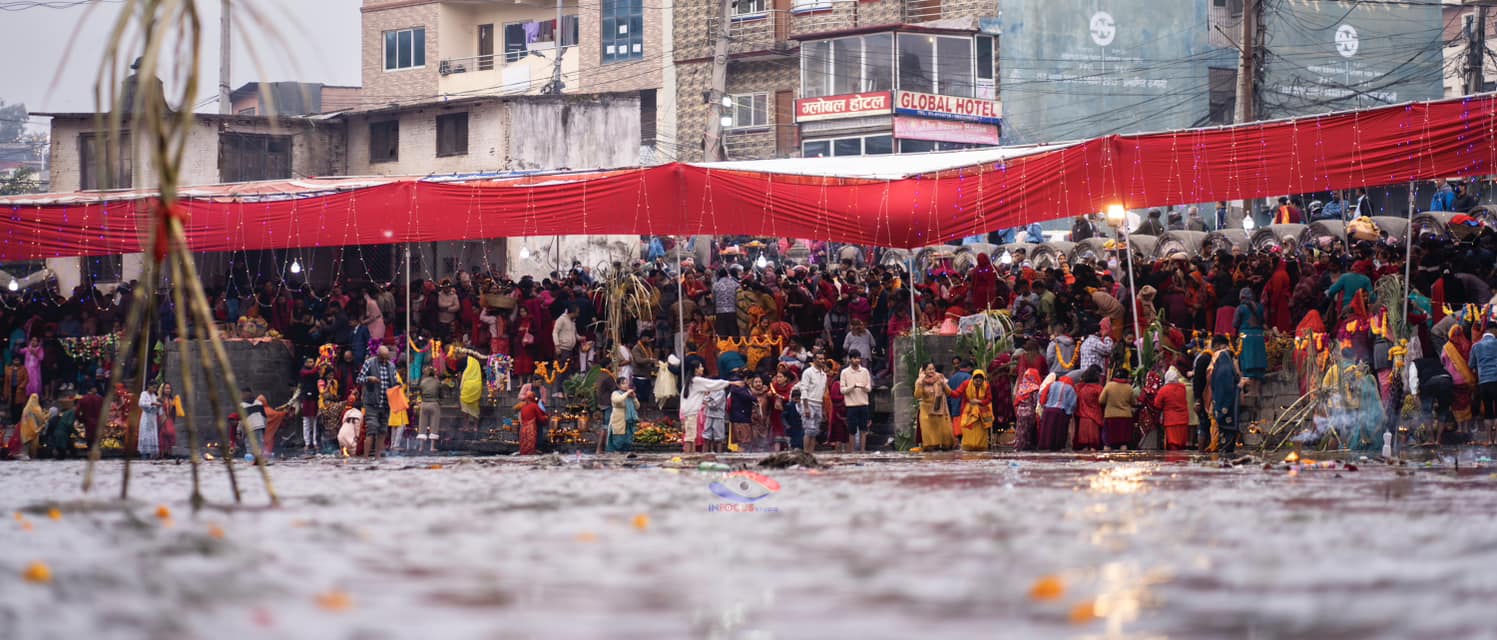
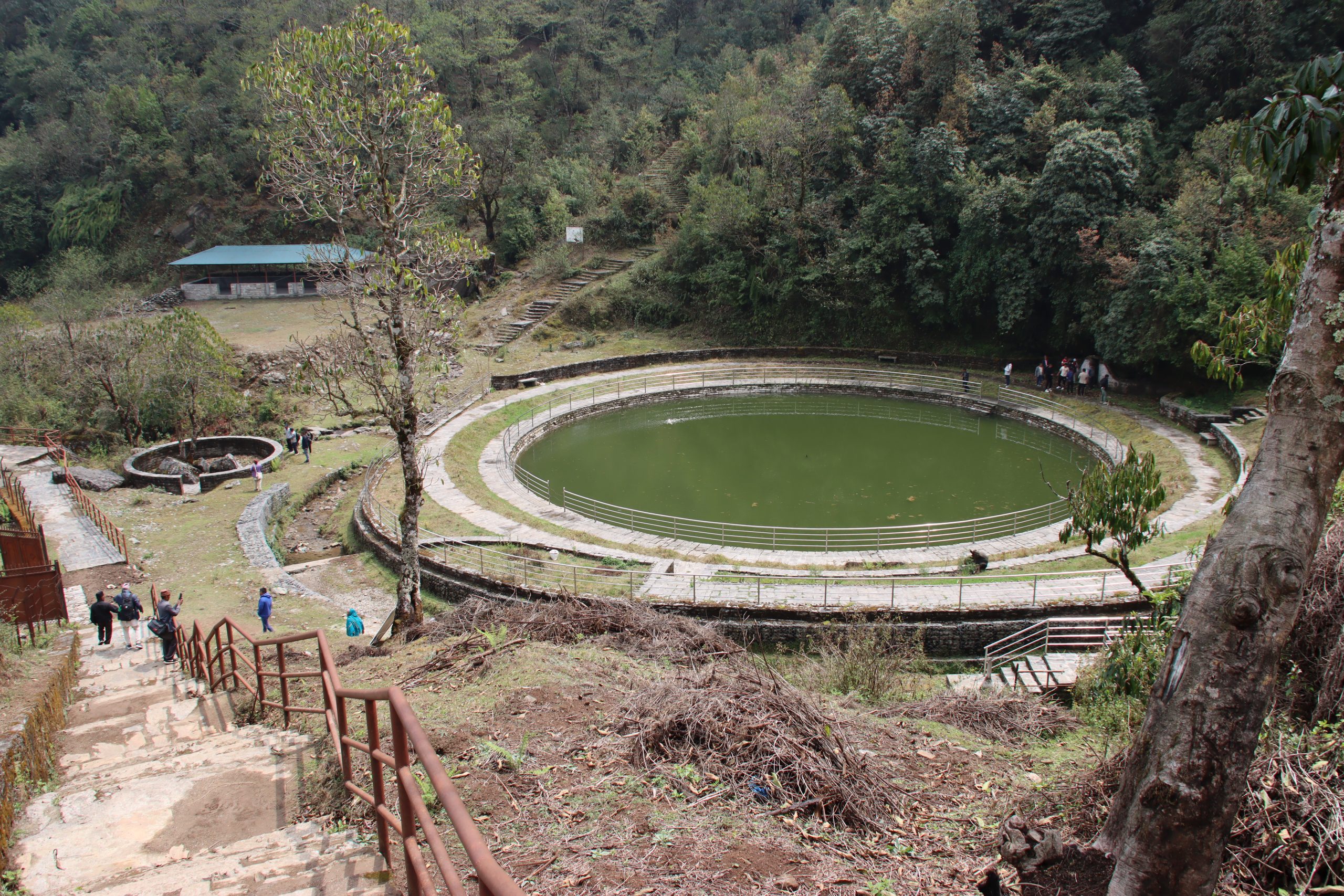
Community Involvement: Chhath is marked by collective celebrations, where people come together at rivers, ponds, or water bodies. These locations are beautifully decorated, often illuminated with lights and traditional oil lamps. The festival brings together family and friends, emphasizing unity and communal harmony.
-
Environmental Significance: Chhath is eco-friendly, as devotees use natural materials for offerings and worship. It also raises awareness of water cleanliness, as devotees use natural bodies of water for rituals and are mindful of keeping them clean.
-
Connection with Nepal’s Terai Culture: Though celebrated across Nepal, Chhath holds a special place in the Terai region, where it’s considered one of the most important festivals.