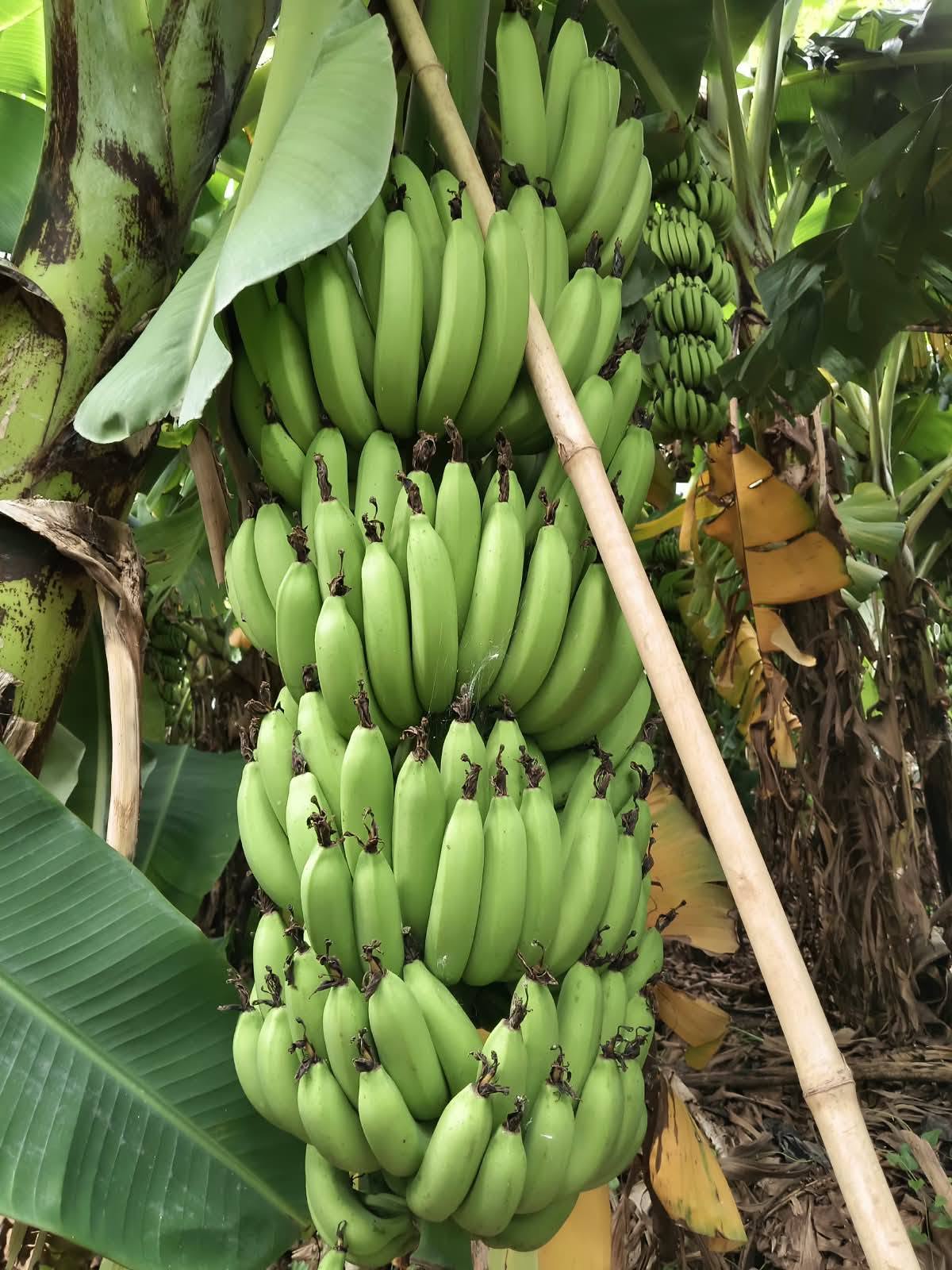
Kathmandu, 15 Oct: Nepal has achieved self-sufficiency in banana production following a significant increase in domestic output. Commercial banana farming has expanded, and local production has become sufficient to meet market demand after the government tightened restrictions on banana imports a year ago.
According to the Nepal Banana Producers Federation, production has increased as farmers have become more attracted to commercial banana farming following the restrictions on imports. Federation Chairman Bishnuhari Pant said Nepal has achieved self-sufficiency with annual banana production reaching 900,000 metric tonnes.
“In previous years, Nepal faced a shortage of around 200,000 metric tonnes of bananas annually, which had to be imported from other countries,” he said. “However, after the government tightened import restrictions, domestic production increased, making local supplies sufficient to meet market demand.”
He added that bananas are now readily available in the domestic market. The government tightened restrictions on banana imports starting September 22, 2025 (Ashoj 6, 2082, in the Nepali calendar). Following the restrictions, banana prices temporarily increased to as much as Rs. 300 per dozen. However, prices have declined as domestic production has increased.
According to Chairman Pant, in previous years, cheaper imported bananas made it difficult for local farmers to sell their produce at reasonable prices. As a result, large quantities of locally grown bananas often went to waste. This year, farmers have been receiving Rs. 50 to Rs. 60 per dozen.
Similarly, while farmers previously sold a single bunch of bananas for Rs. 200 to Rs. 300, prices have now fallen to as low as Rs. 6, according to Pant. The federation said increased domestic production has enabled locally grown bananas to meet market demand during major festivals such as Dashain, Tihar and Chhath. Chairman Pant said Nepal aims to increase production further and reach the stage of exporting bananas within the next two years.
According to the federation, bananas are cultivated across approximately 15,000 hectares of land nationwide. Commercial banana farming extends from Jhapa in eastern Nepal to Kanchanpur in the west. Chitwan, Nawalparasi, Bara, Parsa, Dang and Kanchanpur are among the country’s major banana-producing districts.
Festivals Boost Banana and Apple Demand
Trade in bananas and apples has increased significantly during the Chhath festival, when both fruits are considered essential for religious offerings. According to the Fruit Traders Association, demand for bananas and apples rises considerably during Chhath celebrations.
Association Chairman Amar Baniya said banana and apple sales are significantly higher during Chhath than at other times of the year. Since fruits are essential for Chhath rituals, trading activities increase particularly in the Kathmandu Valley and districts across the Terai region.
Apart from the festive season, banana consumption is also relatively high during the months of Baisakh, Jestha and Ashadh (April to July). According to the association, bananas are currently selling at Rs. 120 to Rs. 150 per dozen in the market, while apples cost between Rs. 190 and Rs. 250 per kilogram.
The association said Nepal still needs to import apples from India and China because domestic production is insufficient to meet market demand.